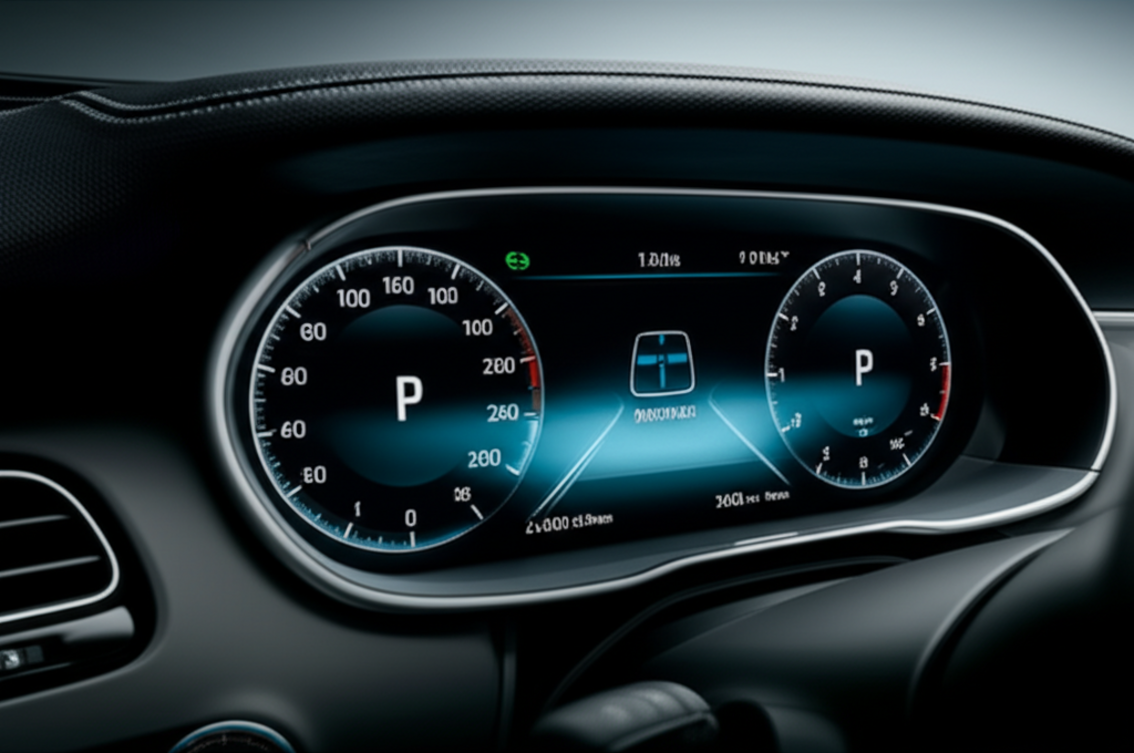
For years, the steering wheel’s familiar button layout and the dashboard’s glossy touchscreens have co‑existed in a delicate dance—one that promised modern convenience but often delivered frustration and distraction. Now, the automotive world is taking a decisive step backward into a more tactile future. The shift is already visible in the latest Mercedes‑Benz models, and it’s echoing across the industry: physical controls are making a comeback.
Why the Screen‑First Era Fell Short
It all started with a 17‑inch display in Tesla’s Model S, a bold move that sparked a wave of screen‑centric design across brands. The allure was simple: fewer mechanical parts meant lower production costs, and a larger screen could showcase a car’s digital personality. However, the real‑world data painted a different picture.
Studies from 2022, like the one conducted by Swedish magazine Vi Bilar, compared a 17‑year‑old Volvo V70—controlled entirely by physical knobs and switches—to a selection of contemporary vehicles equipped with touchscreens. The results were striking: the older car completed essential tasks in just 10 seconds, whereas the new vehicles took between 23.5 and 44.9 seconds. That delay is not trivial; it’s enough time for a driver to glance away from the road, creating a measurable safety risk.
Human Factors and Safety
According to the National Highway Traffic Safety Administration, any distraction that requires drivers to divert their attention—even briefly—can increase the likelihood of an accident. Touchscreens, by their nature, demand visual confirmation and tap navigation, which interrupts the driver’s natural eye movement. In contrast, physical buttons and knobs offer immediate tactile feedback, enabling muscle memory and faster response times.
Industry Reversals: From Touch to Tactile
Mercedes‑Benz, one of the most digitally aggressive brands, announced in 2025 that it would pivot back to physical controls, starting in 2026. Chief Software Officer Magnus Östberg cited hard data: “The data shows us physical buttons are better.” The company plans to roll out a redesigned steering wheel featuring a dense array of rockers, rollers, and buttons, effectively turning the wheel into the primary command hub for climate, audio, and safety functions.
Volkswagen, too, embraced a similar strategy. At the Munich Motor Show, executive Andreas Mindt publicly admitted that the company’s “touch‑screen‑heavy” strategy had disappointed users, declaring a renewed focus on tactile interfaces. Hyundai’s Ioniq 5 and the upcoming Hyundai Kona Electric now sport a hybrid interior with capacitive touch only for non‑critical functions and a full set of physical buttons for essential controls.
Hybrid Approaches Still Persist
Not all manufacturers have gone full‑tactile. Toyota, Honda, and Nissan maintain a balanced approach, pairing touchscreens with a suite of physical controls. Even Chinese automakers, like Xiaomi with its SU7, offer optional magnetic physical panels that attach to the dashboard, allowing users to choose between a clean digital look and a fully tactile experience.
Regulatory Pressure and Consumer Demand
Regulators are catching up. Europe’s safety testing organization has announced that from 2026, vehicles lacking physical controls for essential systems—climate, signal, emergency, and driver‑assistance features—will face penalties. Mercedes’ spokesperson highlighted that consumer feedback and real‑world usage data were key drivers behind the shift, noting that “physical controls offer superior usability and comfort for many drivers.”
Market Segmentation: One Size Doesn’t Fit All
Mercedes’ chief software officer hinted at regional preferences: “Europe tends to favor buttons, while Asian drivers lean toward touch and voice.” This market‑specific approach raises questions about whether design is truly driven by safety or by catering to regional tastes.
The Future of Car Interfaces
While the physical‑control renaissance is gaining momentum, the industry is still experimenting with the ultimate solution. Voice control is getting a significant investment boost, with Mercedes reporting a “phenomenal” triple‑increase in voice command usage in its CLA model. If AI-powered voice recognition matures enough to deliver near‑human accuracy, the need for both screens and buttons could diminish altogether, ushering in a new era of conversational interfaces.
Until then, the most reliable, safe, and driver‑friendly solution appears to be a balanced blend of physical and digital controls. A tactile steering wheel that allows hands‑on control without the need to look away, coupled with a thoughtfully designed touchscreen that only handles non‑critical tasks, offers the best of both worlds.
Why This Shift Matters to You
As a driver, your safety and comfort should always come first. The move back to physical controls means fewer distractions, quicker response times, and a more instinctive driving experience. If you’re in the market for a new vehicle, pay close attention to how each brand balances touch and tactile interfaces. A car that keeps your hands on the wheel for most functions will let you stay focused on the road and reduce the risk of accidents.
In short, the era of screen‑centric cabins may be drawing to a close. The return of buttons, knobs, and rollers isn’t just a nostalgic nod; it’s a data‑driven decision aimed at making our roads safer and our driving experience more intuitive. Whether you’re a long‑time tech enthusiast or a pragmatic safety advocate, this shift is a welcome reminder that sometimes, going back to the basics is the smartest step forward.