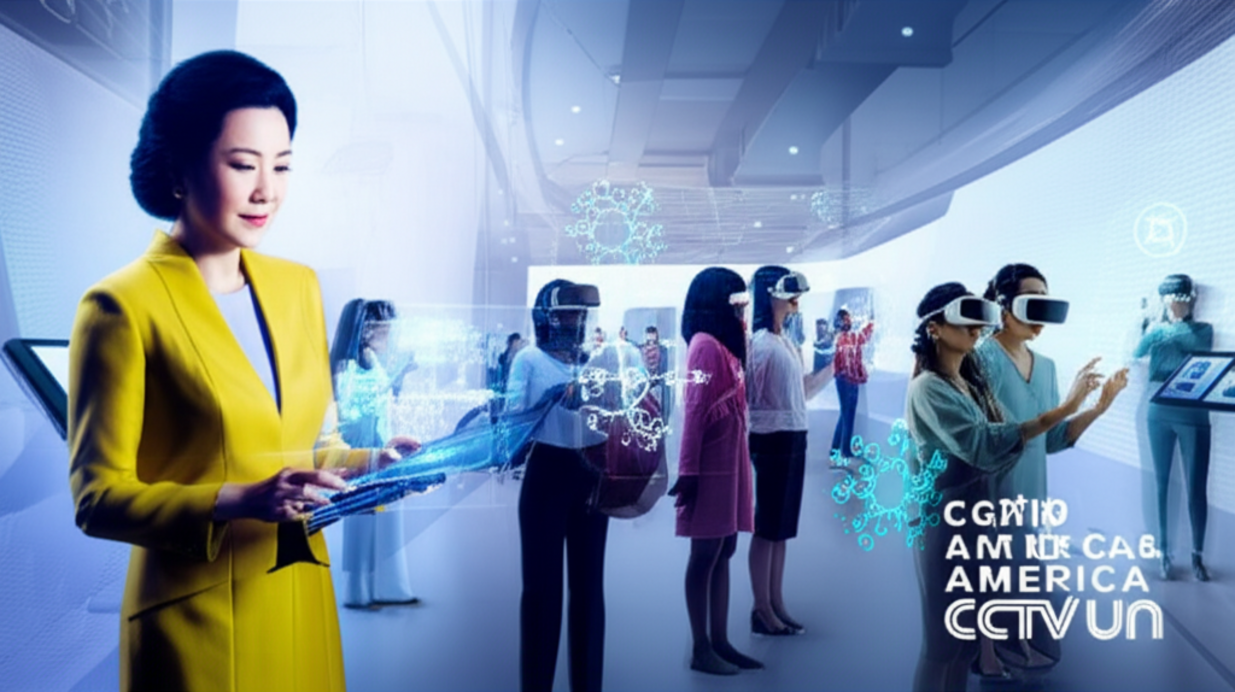
In a landmark showcase of China’s strides in digital innovation for gender equity, Peng Liyuan, the wife of President Xi Jinping and a celebrated figure in Chinese cultural and diplomatic circles, joined UN Women Executive Director Sima Bahous on October 14 for a tour of the “Digital, Intelligent Empowerment for Women and Girls” exhibition in Beijing. The event, which drew leaders, technologists, and activists alike, underscored the nation’s commitment to closing the gender gap in STEM and leveraging technology as a catalyst for women’s economic empowerment.
A Milestone Visit: Peng Liyuan and UN Women Leadership
Peng Liyuan, known worldwide as a talented singer, philanthropist, and the first lady of China, has long championed causes such as maternal health and child welfare. Her presence at the exhibition sent a powerful message: that the Chinese state recognizes the transformative potential of digital and intelligent technologies for women and girls. Sima Bahous, whose leadership has steered UN Women’s agenda toward technology‑enabled gender equality, emphasized how collaborative efforts can accelerate progress worldwide. Together, they symbolized a partnership bridging national policy and global advocacy.
Showcasing Innovation: The Exhibition’s Highlights
The exhibition opened its doors to a wide array of interactive displays, each designed to illuminate how digital tools are reshaping the lives of women across China’s diverse regions. Key exhibits included:
- AI‑Powered Healthcare Platforms: Demonstrating how women’s health apps can predict pregnancy complications and provide tele‑consultations in rural communities.
- Smart Manufacturing Dashboards: Showcasing female engineers who manage autonomous assembly lines that reduce repetitive labor and increase precision.
- Blockchain for Micro‑Finance: Illustrating how women entrepreneurs can secure microloans with transparent, tamper‑proof ledgers.
- Virtual Reality Learning Hubs: Immersive environments that let girls practice coding, robotics, and digital design without the need for expensive equipment.
Beyond the technology, the exhibition featured stories of women who have broken into traditionally male‑dominated sectors—software developers, data scientists, and AI ethicists—highlighting the human narratives behind the numbers.
Bridging the Digital Divide for Women and Girls
Despite China’s rapid digital expansion, disparities remain. Rural women, for example, face limited internet access and fewer educational resources. The exhibition addressed these gaps by outlining strategies that combine infrastructure development with capacity building:
- Expanding Broadband Coverage: Government‑led initiatives to bring high‑speed internet to remote provinces.
- Digital Literacy Scholarships: Grants for women to attend coding bootcamps and online courses.
- Community Tech Centers: Safe, women‑friendly spaces where girls can experiment with 3D printers and drones.
- Mentorship Networks: Partnerships between universities and industry to provide role models and career guidance.
These efforts are not merely about access; they also focus on building confidence, encouraging risk‑taking, and fostering a culture where women see technology as a tool for empowerment rather than a barrier.
Policy Synergy: China’s Vision and UN Women’s Goals
The collaboration between China and UN Women reflects a shared vision outlined in the 2030 Sustainable Development Goals, particularly SDG 5 (Gender Equality) and SDG 4 (Quality Education). China’s National Digital Development Strategy identifies women’s digital inclusion as a priority, allocating funds for “digital entrepreneurship” and “inclusive innovation.” At the same time, UN Women’s Global Digital Gender Gap Report stresses that bridging the gap requires policy coherence, data transparency, and inclusive design.
Peng Liyuan’s remarks highlighted the importance of cross‑sector dialogue. “When technology meets policy,” she said, “the potential for sustainable impact multiplies.” Sima Bahous echoed this sentiment, underscoring the need for international cooperation to share best practices and scale solutions.
Beyond the Exhibition: Long‑Term Impact and Call to Action
The exhibition’s success is measured not only by footfall but by the momentum it creates for future initiatives. Key next steps include:
- Establishing a Digital Women’s Innovation Fund: A public‑private partnership to support start‑ups led by women in AI, biotech, and green tech.
- Annual Digital Inclusion Index: A data‑driven report that tracks progress on gender parity in digital spaces, encouraging transparency.
- Global Tech‑Women Summit: Leveraging the exhibition’s visibility to host a virtual summit that brings together female tech leaders from Asia, Africa, and the Americas.
- Policy Advocacy Toolkit: A resource for local governments to design gender‑sensitive digital policies, informed by case studies showcased at the event.
For individuals, the message is clear: participation is essential. Whether it’s supporting women‑owned tech start‑ups, volunteering in digital literacy programs, or advocating for inclusive policy at the local level, every action contributes to a larger ecosystem of empowerment.
In closing, the collaboration between Peng Liyuan, UN Women, and China’s innovation ecosystem demonstrates that when leadership, policy, and technology converge, gender equity can be accelerated at scale. The exhibition was more than a showcase—it was a call to action for governments, corporations, and communities to invest in women’s digital futures, ensuring that every girl and woman can harness the power of technology to shape her own destiny.