Some cities whisper tales of their past, while others shout about their future. Belfast does both, creating a unique and captivating energy that’s drawing in travelers from around the globe. For years, its name was tied to a complex and often misunderstood history, but to define it by that past would be to miss out on one of Europe’s most dynamic and resilient urban destinations. As we move through 2026, the city is buzzing with a renewed spirit, blending its rich heritage with a forward-thinking creative pulse. If you’re looking for a destination that offers more than just pretty pictures, a place with soul and stories etched into its very streets, then Belfast might just be the unforgettable trip you need to plan.
A City Reimagined and Recharged
Walking through Belfast today feels like stepping into a story of incredible transformation. The city has shed its somber reputation and embraced a future filled with color, art, and an infectious optimism. This isn’t just a superficial change; it’s a deep-seated renaissance that you can feel in the air, from the bustling Cathedral Quarter to the rejuvenated waterfront.
Vast regeneration projects have breathed new life into historic areas, creating spaces where creativity and commerce thrive side by side. The city’s skyline is evolving, a testament to the investment and confidence pouring into its future. This forward momentum makes it an exciting time to visit, as there’s a constant sense of discovery around every corner. You’re not just visiting a static museum piece of a city; you are witnessing a place in the midst of an inspiring evolution, making every experience feel fresh and significant.
Journey Through a Storied Past
You cannot talk about Belfast without acknowledging its profound history. The city doesn’t hide from its past; it confronts it, learns from it, and shares its stories with a raw and compelling honesty. This approach provides visitors with a deeply meaningful understanding of the resilience of the human spirit.
The Titanic Quarter and a Maritime Legacy
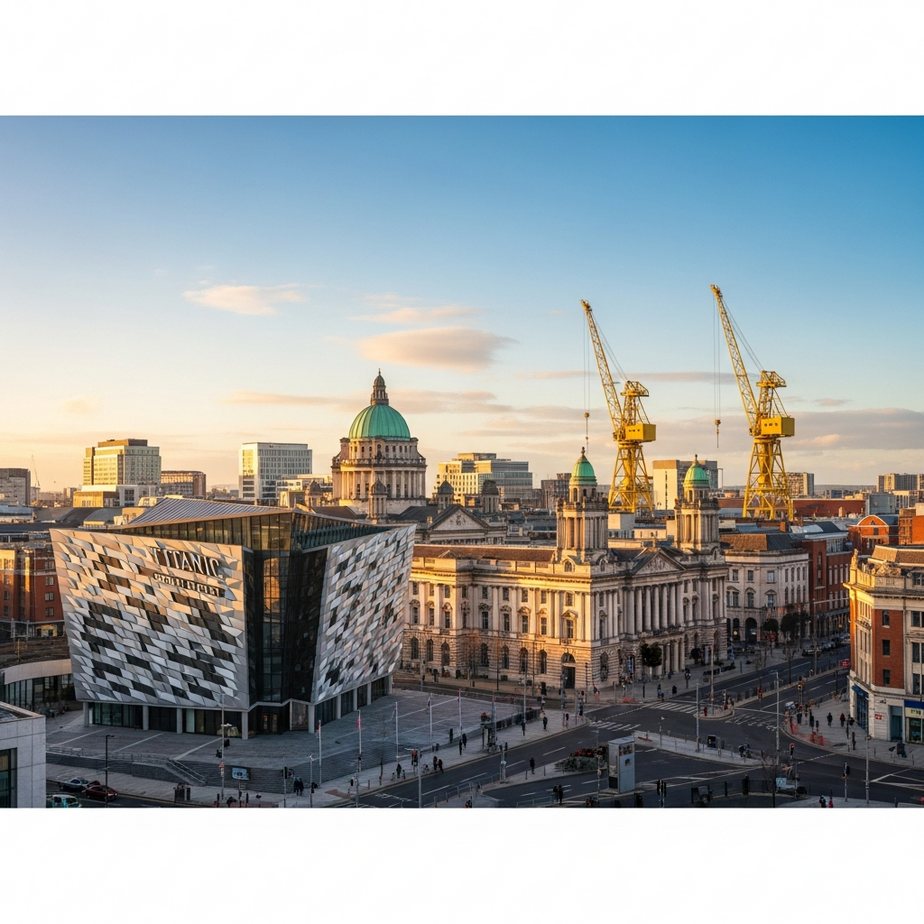
The story of the Titanic is woven into the very fabric of Belfast, as this is where the legendary ship was conceived, designed, and launched. The Titanic Quarter is a stunning redevelopment of the former shipyards, with the iconic Titanic Belfast museum at its heart. This incredible architectural marvel takes you through the ship’s construction and its fateful voyage in a way that is both educational and deeply moving. As detailed on their official website, the experience extends beyond the main building to the SS Nomadic, the last remaining White Star Line vessel, giving you a tangible connection to the era. This area isn’t just a memorial to a tragedy but a proud celebration of the city’s industrial prowess and engineering heritage.
Understanding The Troubles
To truly grasp the city’s character, it’s essential to understand the period known as The Troubles. The most insightful way to do this is through a Black Cab Tour. Local drivers, who lived through the conflict, provide firsthand accounts as they take you through the Shankill and Falls roads. You’ll see the striking political murals and the Peace Wall, a massive barrier that still separates communities but is now covered in messages of hope and reconciliation. It’s an emotional and eye-opening experience that offers context for the city’s incredible journey toward peace.
A Culinary and Creative Renaissance
The energy driving Belfast’s transformation is perhaps most evident in its incredible food and arts scene. Long gone are the days of limited culinary options. Today, the city is a food lover’s paradise, offering everything from cozy traditional pubs to innovative fine dining establishments that have earned Michelin stars.
No foodie tour would be complete without a visit to St. George’s Market, one of the last surviving Victorian covered markets in the UK. Here, you can sample local produce, chat with vendors, and taste some of the region’s best-loved treats. For a true taste of the city, make sure you try a few local specialties:
– The Ulster Fry: A hearty breakfast featuring soda bread, potato bread, bacon, sausages, and eggs.
– Freshly caught seafood: Especially oysters and mussels from nearby loughs.
– Local cheeses and artisanal breads.
This culinary creativity is matched by a vibrant arts scene. The Cathedral Quarter is the city’s cultural heart, with cobbled streets, lively pubs hosting traditional music sessions, and a thriving street art culture. The murals here are less about politics and more about celebrating the city’s creative spirit, making for a fantastic afternoon of exploration.
Exploring Belfast and Beyond
Belfast is a wonderfully compact and walkable city, making it easy to explore its central neighborhoods on foot. From the grandeur of City Hall to the botanical gardens surrounding the Ulster Museum, you can cover a lot of ground in a day. The people are famously friendly, always ready with a recommendation or a story, which adds to the welcoming atmosphere.
The city also serves as the perfect gateway to exploring the stunning landscapes of Northern Ireland. The iconic Giant’s Causeway, the Carrick-a-Rede Rope Bridge, and the numerous Game of Thrones filming locations are all easily accessible as day trips. This combination of a vibrant urban base and breathtaking natural beauty nearby makes Belfast an incredibly versatile travel destination.
Getting Here and Planning Your Visit
Connectivity to Belfast has never been better, and recent developments are making it even easier. The city is served by two airports, George Best Belfast City Airport and Belfast International Airport. The latter is currently undergoing a massive £100 million investment to overhaul its facilities, including new and improved food and beverage options, which will significantly enhance the travel experience for visitors arriving in the coming years.
To make the most of your trip, here are a few practical tips:
1. Best Time to Visit: Late spring and summer offer the most pleasant weather for exploring, though the city has a unique charm in every season.
2. Currency: The currency is the Pound Sterling (£), just like the rest of the UK.
3. Getting Around: While the city center is walkable, the Translink Metro bus service is efficient for reaching attractions further afield.
4. Stay a While: Plan for at least three to four days to truly soak in the atmosphere, explore the history, and enjoy the food scene without rushing.
Belfast offers a travel experience that stays with you long after you’ve left. It’s a city that challenges your perceptions, delights your senses, and inspires you with its story of strength and renewal. It is a testament to the power of community, culture, and looking toward the future without forgetting the past.
So, as you plan your travels for 2026, look beyond the usual suspects and consider a city with a real story to tell. Why not dive deeper into the history, taste the innovative cuisine, and feel the vibrant pulse of a city truly coming into its own? The new Belfast is waiting to be discovered, and it promises a journey you won’t soon forget.