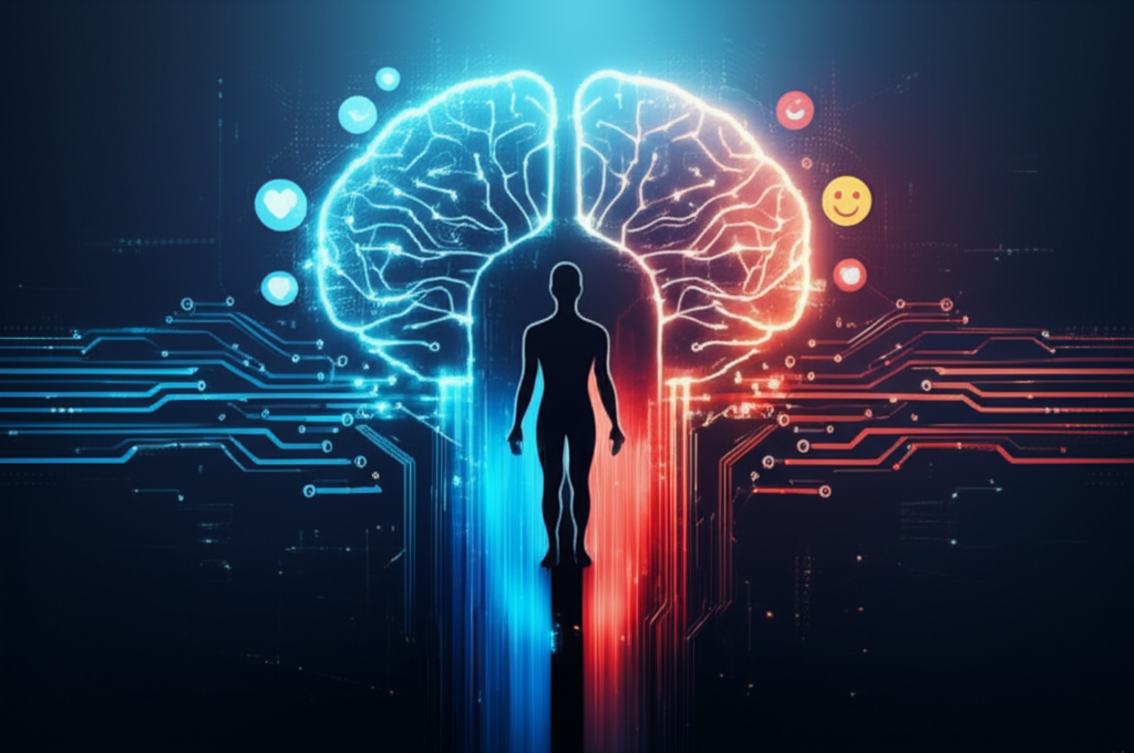
Why Simulating Emotions with AI Matters
Artificial Intelligence has moved beyond pattern recognition and into the realm of affective computing, where machines not only see or hear but feel. By creating digital personas that can generate and respond to emotional states, researchers can peer into the hidden corners of human psychology without the logistical and ethical constraints of traditional field studies. This approach offers an unprecedented, scalable laboratory for testing theories about empathy, decision‑making, and social behavior.
Building a Digital Persona: The Core Architecture
At the heart of an emotion‑simulating AI lies a layered architecture. The first layer, data ingestion, pulls in vast corpora of human language, facial expressions, and physiological signals. The second layer, affective modeling, applies machine learning algorithms—such as recurrent neural networks and transformer models—to map contextual cues to specific emotional states. Finally, the response generation layer tailors outputs, whether textual, visual, or auditory, to reflect the assigned affect. When these layers interact seamlessly, the AI can mimic genuine emotional nuance, opening new avenues for psychological exploration.
Emotion Taxonomies: From Basic to Complex
Most simulation frameworks rely on established emotion taxonomies like Ekman’s six basic emotions or Plutchik’s wheel. However, advanced models now incorporate mixed affect states and intensity gradients, allowing a single AI persona to transition fluidly from curiosity to frustration or from calm to anxiety. By doing so, researchers can map subtle shifts in human perception when interacting with an emotionally aware agent.
Personas as Emotional Testbeds
Personas—predefined virtual characters with backstories, goals, and emotional repertoires—serve as controlled variables in experiments. By manipulating a persona’s emotional profile, scientists can observe how humans adapt their behavior. For instance, a “relaxed mentor” persona may elicit increased trust and cooperation, whereas a “high‑pressure critic” might induce heightened vigilance or defensiveness. These insights can inform the design of empathetic virtual assistants, therapeutic chatbots, or even marketing personas that resonate more deeply with consumers.
Uncovering Human Decision‑Making Under Duress
Emotionally driven AI can simulate high‑stakes scenarios—like emergency evacuations or financial crises—where real‑world testing is impractical or dangerous. By presenting participants with AI agents that exhibit varying degrees of fear, optimism, or panic, researchers can measure decision latency, risk tolerance, and social influence. Early studies have revealed that participants are more likely to follow the guidance of an AI displaying calm confidence, underscoring the importance of emotional calibration in AI‑mediated advice systems.
Ethical Considerations and Transparency
As these technologies grow more sophisticated, ethical concerns rise. Users may develop misplaced trust in an AI that appears genuinely empathic, potentially leading to manipulation or emotional exploitation. Transparency—clearly indicating that interactions involve algorithmic agents—and informed consent become paramount. Furthermore, researchers must ensure that simulated emotions do not reinforce harmful stereotypes or cultural biases embedded within training data.
Applications Beyond the Lab
Emotion‑simulating AI is already making waves in several industries:
- Healthcare: Virtual therapists that adapt to a patient’s affect can provide early intervention for depression or anxiety.
- Education: Adaptive tutors that respond with enthusiasm or encouragement help maintain student motivation.
- Customer Service: AI agents that detect frustration can proactively offer solutions, boosting satisfaction scores.
- Entertainment: Games featuring NPCs with believable emotional arcs create richer narratives and deeper immersion.
These applications illustrate how a nuanced understanding of human emotion, derived from AI simulation, can translate into real‑world value.
Future Horizons: Toward Genuine Affective Intelligence
While current models excel at mimicking emotion, the next frontier involves integrating affective feedback loops that enable AI to learn from human responses in real time. Imagine a virtual companion that gradually adapts its emotional tone based on a user’s mood swings, creating a personalized, evolving rapport. Such systems could revolutionize mental health support, eldercare, and even collaborative work environments.
Closing Thoughts
Simulating emotional states with AI offers a powerful, ethically guided window into the mechanics of human psychology. By leveraging digital personas as dynamic testbeds, researchers can dissect the subtle interplay between affect and cognition at scale. As the technology matures, the insights gained will not only refine our theoretical frameworks but also pave the way for more compassionate, responsive AI systems that genuinely understand—and respond to—our human emotions.