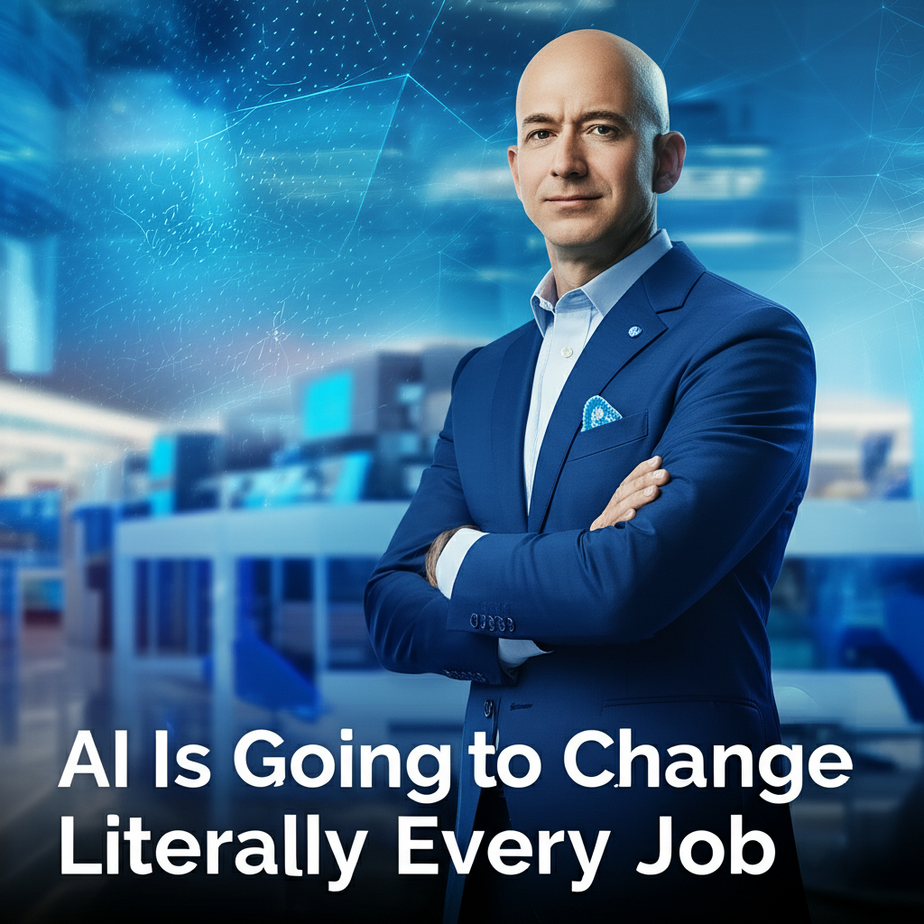
Walmart’s Wake‑Up Call on AI
When Walmart’s CEO, Doug McMillon, delivered a candid talk on the role of artificial intelligence in shaping the company’s workforce, he sounded less like a corporate speaker and more like a futurist warning the world that AI is going to change literally every job. In a recent interview, McMillon revealed that Walmart plans to keep its headcount flat over the next three years, even while investing heavily in AI that is set to eliminate some roles and transform others. This paradox—expanding operations while stabilizing workforce numbers—offers a compelling snapshot of how the retail behemoth is navigating the AI revolution.
Why Walmart’s Numbers Matter
Walmart is the largest private employer in the United States, with roughly 2.3 million associates worldwide. In an era where job growth has slowed in many sectors, the company’s decision to maintain its workforce size is a strategic move that balances innovation with cost control. By integrating AI tools across logistics, customer service, and inventory management, Walmart can drive efficiency without a proportional increase in headcount.
The AI Edge: From Shelves to Supply Chains
Walmart’s AI initiatives span the entire retail ecosystem. In its distribution centers, machine‑learning algorithms predict demand spikes, orchestrate warehouse robots, and streamline pick‑and‑pack processes. On the front‑end, AI powers personalized shopping recommendations, dynamic pricing, and in‑store virtual assistants that guide customers to products in seconds. These systems not only cut labor costs but also improve the shopping experience, leading to higher conversion rates and customer loyalty.
Robotic Automation in Warehouses
- Autonomous Mobile Robots (AMRs) navigate aisles to fetch items, freeing associates for more complex tasks.
- AI‑Driven Forecasting predicts seasonal demand, reducing stockouts and overstocking.
- Predictive Maintenance flags equipment issues before they cause downtime.
Smart Shelves and Checkout
Smart shelf sensors detect product placement and inventory levels, sending real‑time alerts to supply‑chain managers. Checkout lines are shrinking thanks to cashierless technology, allowing associates to focus on customer assistance, merchandising, and store upkeep. These shifts illustrate how AI can replace repetitive tasks while enhancing human roles with higher value functions.
Job Transformation vs. Job Creation
McMillon’s remarks echo a broader industry debate: does AI primarily displace jobs, or does it simply transform them? Walmart’s flat headcount policy suggests that the company anticipates a net neutral effect. While some positions will become redundant, new roles—data scientists, AI ethicists, robotic maintenance technicians—are emerging in equal measure.
Upskilling the Workforce
Recognizing that technology will alter job requirements, Walmart is investing in reskilling programs. The Digital Upskilling Initiative offers associates access to courses in data analytics, coding, and AI fundamentals. By equipping employees with new skill sets, Walmart hopes to keep talent in-house while adapting to the evolving job landscape.
Human‑Centric Roles Expand
As routine tasks become automated, Walmart is amplifying roles that rely on human empathy and creativity. Customer‑experience managers now employ AI insights to tailor store layouts and promotional strategies, while in‑store associates spend more time interacting with shoppers, offering personalized assistance that machines cannot replicate.
Economic Implications for the Retail Sector
Walmart’s approach signals a shift that could ripple across the retail industry. By maintaining workforce levels while leveraging AI, the company demonstrates that automation does not automatically equate to job loss. Instead, it can lead to a more efficient, customer‑centric business model that supports both employees and shareholders.
Impact on Supply‑Chain Costs
AI-driven demand forecasting reduces excess inventory, directly lowering holding costs. Faster restocking cycles also mean fewer stock‑out incidents, translating into higher sales volume. The net effect is a leaner supply chain that can operate at lower labor costs without compromising service quality.
Competitive Advantage
Retailers that fail to adopt AI risk falling behind. Walmart’s strategic investment in automation positions it ahead of competitors who still rely on manual processes. As a result, Walmart can offer lower prices, faster delivery, and a superior customer experience—critical differentiators in an increasingly crowded market.
Ethical Considerations and Corporate Responsibility
With great power comes great responsibility. McMillon acknowledges the ethical implications of AI deployment, emphasizing transparency, data privacy, and fair labor practices. Walmart has instituted an AI Governance Board to oversee algorithmic fairness, ensuring that decisions—such as pricing or store layout—do not inadvertently discriminate or disadvantage certain customer segments.
Data Privacy Safeguards
Customer data, essential for AI models, is handled under strict compliance frameworks. Walmart employs end‑to‑end encryption, anonymization techniques, and regular audits to maintain consumer trust.
Fair Labor Practices
To address concerns about job displacement, Walmart commits to offering reskilling pathways and up to a 40‑hour weekly schedule for associates transitioning to new roles. The company also pledges to maintain a living wage and provide comprehensive benefits, reinforcing its image as an employer of choice.
Looking Ahead: The Future of Work at Walmart
Walmart’s CEO’s warning is a clarion call for the retail industry and beyond: the AI wave will reshape every facet of work. By keeping headcount flat yet expanding its technological footprint, Walmart is testing a model where human talent is not merely replaced but redefined. Associates are expected to shift from routine tasks to strategic, customer‑focused roles that demand critical thinking, creativity, and emotional intelligence.
Projected Outcomes
Over the next decade, Walmart anticipates that AI will drive a 15% reduction in labor costs across its global supply chain. At the same time, the company expects a 10% increase in associate productivity, as workers spend less time on repetitive tasks and more on value‑adding activities. These metrics, if achieved, would set a new benchmark for how large employers balance technology and workforce.
Implications for Policymakers
McMillon’s insights also touch on broader policy debates. As AI reshapes labor markets, governments must consider training programs, safety nets, and regulations that protect workers while encouraging innovation. Walmart’s experience offers a practical blueprint for how companies can navigate these challenges responsibly.
In conclusion, Walmart’s headline—AI is going to change literally every job—is not merely a statement of inevitability but a strategic vision for how an industry giant plans to stay relevant in a rapidly evolving technological landscape. The company’s commitment to maintaining its workforce numbers, coupled with aggressive AI adoption and robust reskilling initiatives, could very well serve as a model for the future of work in retail and beyond. As the AI tide rises, the companies that ride it with foresight and responsibility will shape the job market of tomorrow.