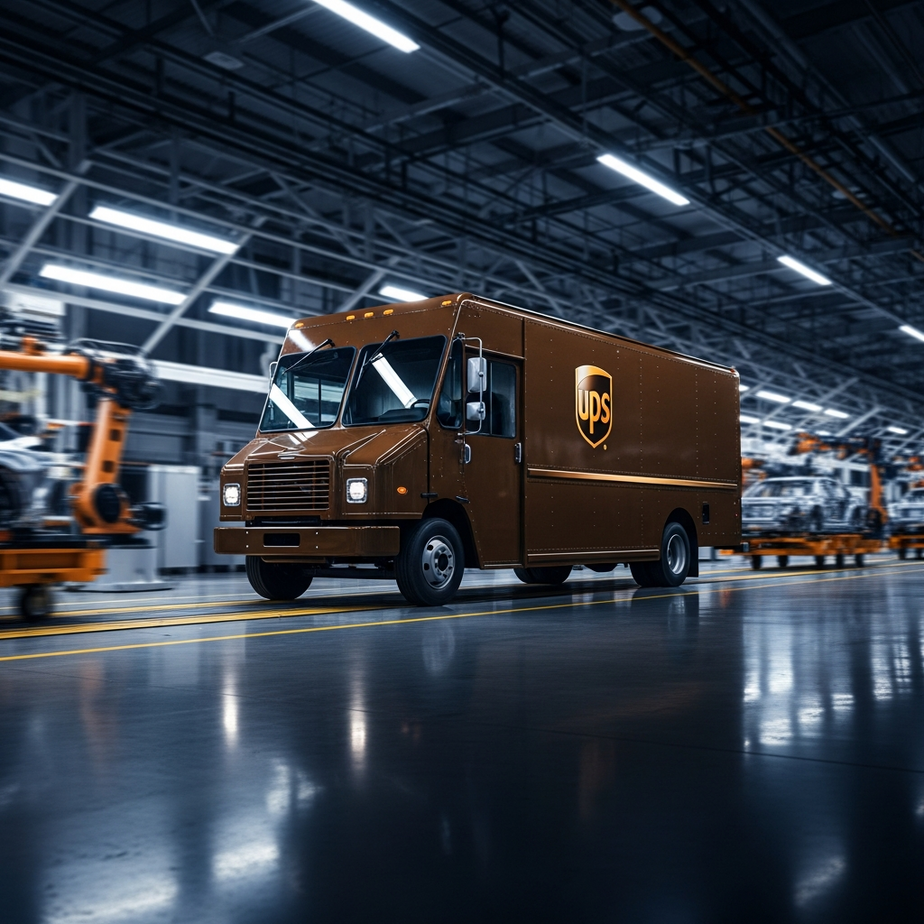
The Manufacturers Behind the Iconic Brown Truck
That distinctive brown truck is an unmistakable sight on American roads. From bustling city streets to quiet suburban cul-de-sacs, the UPS “Package Car” is a daily presence in our lives. You see them so often they almost blend into the background, but have you ever stopped to wonder who makes UPS trucks? The answer is more complex and fascinating than you might think, revealing a story of custom engineering, strategic partnerships, and a relentless focus on efficiency.
Unlike a typical delivery business that might buy a fleet of Ford Transits or Mercedes Sprinters directly from a dealership, UPS takes a completely different approach. They don’t buy their iconic trucks off a standard production line. Instead, these vehicles are the result of a collaborative manufacturing process where UPS acts as the lead designer, specifying every detail to meet the unique demands of their global logistics network. This bespoke process ensures every truck is built for purpose, from the ground up.
A Custom Collaboration: Who Actually Makes UPS Trucks?
The simple truth is that no single automaker like Ford, General Motors, or Chrysler is solely responsible for building a complete UPS truck. Instead, the creation of a Package Car is a multi-stage process involving several key players, each specializing in a different part of the vehicle. This approach allows UPS to control the design while leveraging the manufacturing expertise of industry leaders.
The Foundation: The Chassis Manufacturers
Every UPS truck starts its life as a “stripped chassis.” This is the bare-bones foundation of the vehicle, consisting of the frame, engine, transmission, axles, and wheels—essentially everything but the body. UPS sources these chassis from major automotive and commercial vehicle manufacturers.
For many years, the most common platforms have included:
– Ford E-450 and F-550 stripped chassis.
– Freightliner Custom Chassis Corporation (FCCC) chassis, particularly for larger trucks.
– General Motors chassis were also a staple for many years.
UPS procures these fundamental components in massive quantities, working directly with the manufacturers to ensure they meet their rigorous specifications for performance and durability. This first step provides the reliable powertrain and structural integrity needed to handle millions of miles of stop-and-go driving.
The Body Builders: Crafting the Iconic Box
Once the chassis is ready, it’s sent to a specialized body manufacturer. This is where the vehicle truly becomes a UPS truck. These companies build the custom aluminum body—the iconic brown box—and mount it onto the chassis. This is the most critical part of understanding who makes UPS trucks, as these partners bring the unique UPS design to life.
The two primary body builders for UPS in North America are:
1. Morgan Olson, LLC: Headquartered in Sturgis, Michigan, Morgan Olson has a long-standing relationship with UPS dating back decades. They are a leader in producing walk-in van bodies and are arguably the most well-known partner in building the classic UPS Package Car.
2. The Shyft Group (formerly Spartan Motors): Through its Utilimaster brand, The Shyft Group is another key manufacturing partner for UPS. They specialize in specialty commercial vehicles and have the capacity to produce the custom bodies required by the logistics giant.
These companies work from blueprints developed by the UPS automotive engineering group. Every element, from the layout of the interior shelving to the famous translucent roof that lets in natural light, is designed by UPS for maximum driver efficiency and package security.
The Manufacturing Map: Where Are UPS Trucks Assembled?
Because the manufacturing process is split between chassis and body producers, UPS trucks aren’t made in just one location. Their components and final assembly points are spread across the United States, reflecting a truly American supply chain.
Chassis Production Hubs
The chassis are built in the sprawling factories of their respective manufacturers. For example, Ford’s E-Series stripped chassis are produced at their Ohio Assembly Plant in Avon Lake, Ohio. Similarly, Freightliner Custom Chassis Corporation manufactures its products in Gaffney, South Carolina. These facilities produce the rolling foundations that are then shipped to the body builders.
Body Manufacturing and Final Assembly
The body companies are where the magic really happens. Morgan Olson and The Shyft Group have several manufacturing plants strategically located to serve their clients.
– Morgan Olson operates major facilities in Sturgis, Michigan, and Loudon, Tennessee. These plants are dedicated to fabricating the aluminum bodies and performing the final marriage of the body to the chassis.
– The Shyft Group’s Utilimaster operations are centered in areas like Bristol, Indiana.
At these locations, sheets of aluminum are cut, bent, and riveted together to form the familiar boxy shape. The custom shelving is installed, the doors are fitted, and the entire unit is painted in the trademarked UPS Pullman Brown before being mounted onto the chassis sent from Ford or Freightliner. This final assembly process results in the finished Package Car ready for service.
Why Custom-Built Beats Off-the-Shelf
You might be wondering why UPS goes through this complex process instead of simply buying pre-made cargo vans. The answer lies in three core principles: efficiency, longevity, and branding. A deep look at their strategy shows why the question of who makes UPS trucks is so important to their business model.
Engineered for Unmatched Driver Efficiency
Every feature of a UPS Package Car is obsessively designed to save seconds, which add up to millions of dollars over the entire fleet.
– No Passenger Seat: The space is used for an organized shelf system, allowing the driver to sort packages for the next few stops.
– Sliding Doors: The side doors slide open and are often left open in residential areas to allow for lightning-fast entry and exit. This saves the driver from having to open and close a heavy swinging door hundreds of times a day.
– Low-Entry Step: The step into the cargo area is intentionally low to reduce strain and fatigue on the driver’s knees and joints over a long career.
– Translucent Roof: The fiberglass roof allows sunlight to illuminate the cargo area, reducing the need for interior lighting and making it easier for drivers to find the right package quickly.
Built to Last for Decades
A standard commercial van might last for 300,000 miles or about 8-10 years of heavy use. A UPS Package Car, however, is built for a service life of 20 to 25 years, sometimes even longer, and can travel over a million miles. This incredible longevity is achieved through:
– Aluminum Body Construction: The aluminum body is lightweight, which helps with fuel economy, but it’s also highly resistant to rust and corrosion, unlike the steel bodies of most standard vans.
– Meticulous Maintenance: UPS has a world-class maintenance program. They can swap out engines, transmissions, and other major components to keep the vehicle’s “bones”—the chassis and body—on the road for as long as possible.
A Rolling Billboard for the Brand
The shape and color of a UPS truck are instantly recognizable around the world. This consistent design is a core part of their brand identity. By controlling the design and manufacturing process, UPS ensures that every single one of its over 100,000 Package Cars looks exactly the same, reinforcing brand consistency and public trust every time one drives down the street.
The Fleet of the Future: Electrification and Innovation
While the classic diesel-powered Package Car remains the workhorse of the fleet, UPS is aggressively looking toward the future. The company is investing heavily in electric vehicles (EVs) and alternative fuels to meet its sustainability goals. This shift is also changing the answer to the question, “who makes UPS trucks?”
Partnerships with EV Startups
UPS has made headlines by partnering with and investing in innovative EV manufacturers. One of the most significant partnerships is with the UK-based company Arrival.
– Custom-Designed EVs: Rather than just buying an existing electric van, UPS has co-developed a unique, futuristic-looking electric delivery vehicle with Arrival. According to a UPS press release, the company has placed an initial order for 10,000 of these custom-built EVs.
– Composite Body: These new vehicles move away from aluminum, using a lightweight composite material for the body, which further improves efficiency and durability.
Integrating Vehicles from Other EV Makers
Beyond Arrival, UPS is diversifying its electric fleet by working with a range of manufacturers. They have placed orders for Tesla Semis for their tractor-trailer fleet and are continuously testing electric vehicles from established players like Freightliner (with their eCascadia) and new entrants in the commercial EV space. This strategy allows them to test different technologies and avoid being locked into a single supplier as the EV market evolves.
The transition to electric power represents the next chapter in the story of the UPS fleet. While the manufacturing partners may change, the core philosophy of designing a purpose-built vehicle for maximum efficiency remains the same.
The next time you see that familiar brown truck pull up to your curb, you’ll know the incredible story behind it. It’s not just a van; it’s a piece of custom-engineered machinery born from a unique collaboration between UPS designers, chassis giants like Ford and Freightliner, and specialized body builders like Morgan Olson. This purpose-built approach is what has allowed UPS to operate one of the most efficient and recognizable delivery fleets in the world for decades.
As the company drives toward a more sustainable future with electric vehicles, the partnerships will evolve, but the commitment to innovation will undoubtedly continue. The story of who makes UPS trucks is a powerful lesson in how custom design and strategic manufacturing can build not just a vehicle, but a global icon. To see more on how technology is transforming the world of logistics, explore our other articles on supply chain innovation.