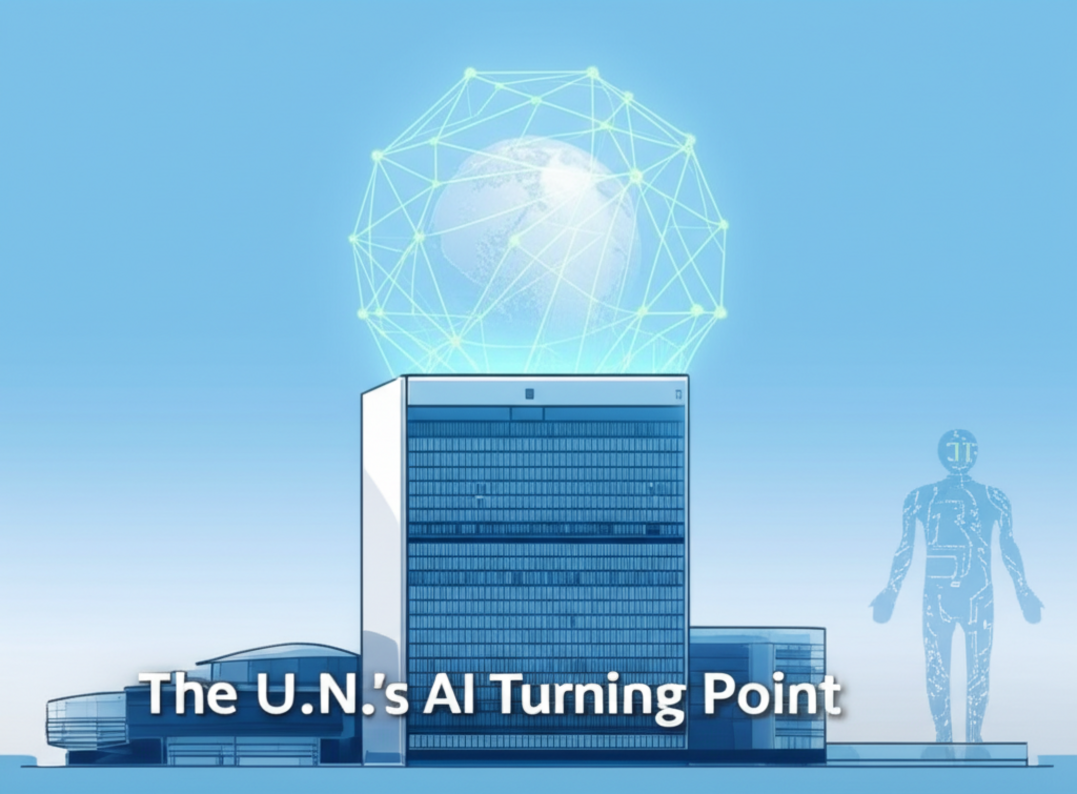
The recent landmark agreement reached at the United Nations marks a pivotal moment for artificial intelligence worldwide. With 193 member states aligning behind a comprehensive framework, AI is now poised to be anchored in science, international cooperation, and public purpose. This blog post dives into the implications of this turning point, explores how the new structures will shape the future of AI, and outlines practical steps for governments, businesses, and civil society to navigate this evolving landscape.
Why the UN Agreement Matters
Artificial intelligence has moved from niche research to everyday life, powering everything from voice assistants to autonomous vehicles. Yet its rapid proliferation has also sparked concerns about privacy, bias, job displacement, and security. The UN’s framework addresses these challenges by:
- Standardizing Governance: It establishes a common set of principles and norms that can guide national policies and private sector practices.
- Promoting Global Cooperation: By fostering information sharing and joint research, the agreement helps prevent a fragmented regulatory landscape.
- Ensuring Public Benefit: It prioritizes AI solutions that contribute to social good, aligning with the Sustainable Development Goals (SDGs).
Core Pillars of the Agreement
The UN framework is built around five interlocking pillars, each designed to reinforce responsible AI development and deployment.
1. Scientific Integrity
AI research will be guided by transparent methodologies, reproducible experiments, and peer review. The agreement calls for open-access datasets and shared model benchmarks, ensuring that breakthroughs are verifiable and not hidden behind proprietary silos.
2. International Cooperation
Countries will form regional AI hubs to collaborate on cross-border projects, share best practices, and harmonize regulatory approaches. This cooperation extends to cybersecurity, with joint efforts to safeguard AI systems from manipulation.
3. Ethical Foundations
Ethics remain at the heart of the UN’s strategy. The framework embeds principles such as fairness, accountability, and transparency, while encouraging the creation of national AI ethics boards that include diverse stakeholder voices.
4. Public Purpose Alignment
AI initiatives must demonstrate tangible benefits for society, from improving healthcare access to advancing climate resilience. The agreement introduces impact assessment metrics to measure progress against SDG targets.
5. Inclusive Governance
Governance structures will be inclusive of academia, industry, civil society, and the general public. Regular public consultations will help ensure that policy decisions reflect a broad spectrum of interests and concerns.
What This Means for Businesses
Companies that wish to thrive in the new AI ecosystem need to align their strategies with the UN’s principles. Here are actionable steps to stay ahead:
- Integrate Ethical Audits: Adopt third‑party AI ethics audits to validate compliance with transparency and fairness standards.
- Open Innovation Partnerships: Leverage regional AI hubs to co‑develop solutions that address shared challenges, such as disease surveillance or sustainable agriculture.
- Impact Reporting: Publish annual AI impact reports that quantify contributions to SDGs, using the metrics prescribed by the UN framework.
- Talent Development: Invest in multidisciplinary teams that blend technical expertise with social sciences to navigate complex ethical dilemmas.
- Policy Advocacy: Engage with policymakers to shape national AI regulations that balance innovation with societal safeguards.
Implications for Governments
National governments now have a clear roadmap for embedding AI into public policy:
- Regulatory Alignment: Update legal frameworks to incorporate UN guidelines, ensuring consistency across sectors.
- Data Governance: Implement data protection laws that enable responsible data sharing while safeguarding privacy.
- Education and Reskilling: Expand STEM and AI literacy programs to prepare the workforce for an AI‑driven economy.
- International Diplomacy: Use the UN platform to negotiate trade agreements that promote ethical AI standards.
Opportunities for Civil Society
Non‑profits, advocacy groups, and grassroots movements can leverage the UN agreement to amplify their impact:
- Monitoring Compliance: Establish watchdog groups to track how AI projects measure up against public purpose metrics.
- Community Engagement: Facilitate town hall forums to gather public input on AI initiatives affecting local communities.
- Education Outreach: Host workshops that demystify AI for citizens, fostering informed participation.
- Policy Proposals: Contribute to policy drafts by offering evidence‑based recommendations grounded in the UN framework.
Challenges Ahead
While the UN’s agreement sets an ambitious agenda, several hurdles remain:
- Enforcement Mechanisms: The framework lacks binding enforcement, relying on voluntary compliance.
- Divergent Priorities: Balancing commercial interests with public welfare may create friction between stakeholders.
- Resource Disparities: Developing countries may struggle to access the technical infrastructure needed for AI research.
- Rapid Technological Change: Policy updates will need to keep pace with innovations such as quantum computing and generative models.
Looking Forward: A Sustainable AI Future
By institutionalizing AI within a global, ethically grounded framework, the United Nations has paved the way for technology that serves humanity’s best interests. The agreement’s success hinges on collective action: governments must enact supportive policies; businesses should integrate ethical practices; and civil society must keep the conversation open and inclusive.
As we navigate the next decade, the UN’s AI Turning Point will be the touchstone against which all AI initiatives are measured. Embracing this framework not only aligns with international best practices but also positions stakeholders at the forefront of a responsible, inclusive, and sustainable AI revolution.