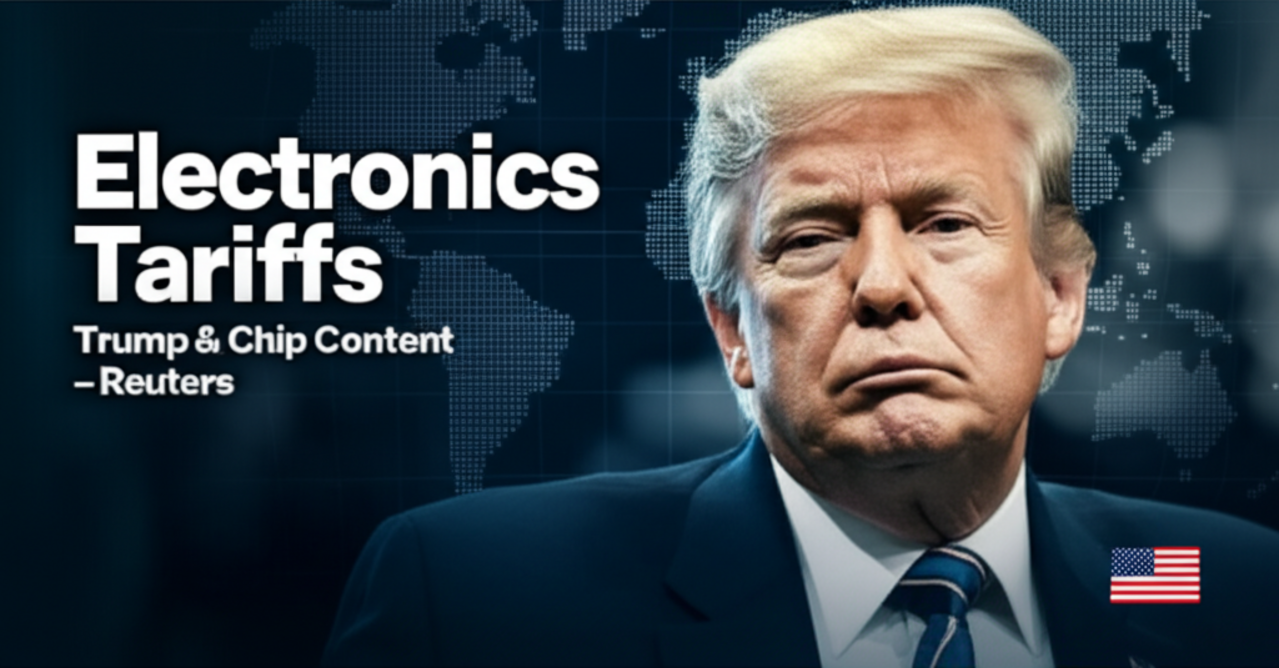
In a bold move that could reshape the global electronics trade landscape, the Trump administration is reportedly exploring the idea of imposing tariffs on consumer electronic devices based on their chip content. This proposal, first reported by Reuters, is part of a broader strategy to boost domestic manufacturing and secure the U.S. supply chain for critical semiconductor components.
Why Chip‑Based Tariffs? The Strategic Rationale
The United States has faced a chronic shortage of semiconductors over the last two years, a problem that was exacerbated by supply disruptions during the COVID‑19 pandemic and by heightened competition from China. While American firms have been scrambling to ramp up production, many still rely on global supply chains that stretch across continents.
By tying tariff rates to the number of chips in an electronic product, the administration hopes to:
- Encourage manufacturers to incorporate more U.S.‑made chips.
- Reduce reliance on foreign chip suppliers.
- Signal a new era of protectionist trade policy aimed at preserving critical technology.
Such a policy would not be entirely unprecedented. The U.S. has historically imposed tariffs on goods with a “high‑value” content in certain sectors, such as steel and aluminum. However, a chip‑based tariff is a novel approach that directly targets the heart of modern electronics.
The Mechanics of a Chip‑Content Tariff
How would this tariff work in practice? Sources say the administration plans to create a tiered structure. Devices with a lower chip count would face a modest duty, while those with a higher concentration of integrated circuits would incur steeper rates. For example:
- Low‑chip devices (e.g., basic smartphones) might be taxed at 5–7%.
- Mid‑chip devices (e.g., mid‑range laptops) could see 10–15% duties.
- High‑chip devices (e.g., advanced gaming rigs or AI servers) might be taxed as high as 25–30%.
Under this framework, manufacturers would need to disclose chip counts or obtain certification from an independent body. The policy would also incentivize U.S. suppliers to provide more chips to domestic manufacturers in order to keep their products in the lower tariff bracket.
Legal and Trade‑Agreement Considerations
Imposing such tariffs raises complex legal questions. The U.S. is bound by World Trade Organization (WTO) rules, which generally prohibit discriminatory tariffs. The Trump administration would need to argue that the duty is a “content‑based” tariff, a category that has historically been permissible under WTO law, as it applies equally to all products regardless of origin.
However, there are also concerns from allied nations who fear that a chip‑based tariff could lead to retaliation or disrupt existing supply chains, particularly with partners in the European Union, Japan, and South Korea, who are themselves investing heavily in domestic semiconductor production.
Industry Response: A Mixed Bag
Reactions from the electronics industry have been divided. Some U.S. chipmakers, such as Intel and Texas Instruments, welcomed the proposal as a sign that the government is finally addressing the supply‑chain bottlenecks that have slowed their growth.
Conversely, many device manufacturers—especially multinational firms that source chips from a global network—have expressed concern. They argue that the tariff could raise costs for consumers and potentially lead to higher prices for high‑end gadgets.
“The goal of a tariff is to protect domestic jobs, but we must also consider the cost implications for the end user,” said Maria Chen, a supply‑chain analyst at TechForward. “A well‑structured policy would need to balance protection and competitiveness.”
Broader Economic Implications
The potential tariff also intersects with current monetary policy. UBS analysts noted that while Federal Reserve Chair Jerome Powell signals a cautious path with no “risk‑free” rates in sight, the cost of borrowing for manufacturers could increase. Higher interest rates make it more expensive to invest in new factories or expand existing plants.
Nevertheless, the administration’s approach may offset some of those costs. By protecting the domestic semiconductor market, it could reduce the need for firms to import expensive foreign chips, potentially balancing higher financing costs with lower import expenditures.
Impact on Global Trade Dynamics
The tariff could send a strong signal to global competitors, especially China, which has been actively investing in its own chip manufacturing capabilities. A U.S. policy that rewards domestic chip usage may push Chinese firms to look for alternative supply routes or develop their own chip production capacities.
At the same time, the policy may encourage other countries to tighten their own trade rules, creating a more fragmented global market. The resulting environment could foster new alliances centered around technology and supply‑chain resilience.
What Does This Mean for U.S. Consumers?
At the consumer level, a chip‑based tariff could lead to two opposing outcomes. On the one hand, domestic production might bring down costs for certain devices over the long term, as supply chains are made more efficient and less subject to international price shocks.
On the other hand, initial price hikes are likely. Higher tariffs mean higher retail prices for imported electronics, especially those with high chip counts. Over time, if domestic manufacturing ramps up, the market may adjust to these changes. For now, consumers could see a temporary spike in gadget prices.
Looking Ahead: Implementation and Timeline
The proposal is still in the early stages. The administration has not yet announced a formal rule‑making schedule. If the policy moves forward, the Department of Commerce would likely release a detailed tariff schedule and a compliance framework within the next 12–18 months.
Stakeholders will need to monitor developments closely, as the policy could have ripple effects across the tech supply chain, impacting everything from R&D budgets to retail pricing strategies.
Conclusion: A Pivotal Moment for U.S. Tech Policy
The Trump administration’s consideration of a chip‑based tariff on electronic devices marks a pivotal moment in U.S. trade and technology policy. It reflects an urgent attempt to secure the domestic semiconductor industry while navigating the intricacies of international trade law and market economics.
Whether this policy will ultimately succeed in bolstering U.S. manufacturing, maintaining consumer affordability, and preserving global trade stability remains to be seen. What is clear, however, is that the decision will set the stage for a new era of technology trade policy, one that may redefine how electronic goods are made, sold, and taxed around the world.