Navigating the New Landscape of Central Texas Commutes
That subtle change in your daily commute budget might not be your imagination. For thousands of drivers across the Austin metro area, the reality is that **toll rates increased on Mobility Authority corridors**, a decision finalized by the Central Texas Regional Mobility Authority. This adjustment, which took effect at the start of the year, impacts major arteries including the 183A Toll, 290 Toll, 71 Toll Lane, 45SW Toll, 183 Toll, and the MoPac Express Lane. While the immediate effect is on your wallet, the story behind these changes is deeply rooted in the technology that powers our growing region’s transportation network. Understanding this technology is the first step toward optimizing your travel and mastering your daily drive in this new pricing environment.
This isn’t just about paying more; it’s about a sophisticated system designed to manage congestion, fund critical infrastructure projects, and keep Central Texas moving. By peeling back the layers of data analytics, dynamic pricing algorithms, and smart infrastructure, you can transform from a passive commuter into an informed driver, making strategic decisions that save you both time and money.
Why Toll Rates Increased on Mobility Authority Corridors
The decision to adjust toll rates isn’t made in a vacuum. It’s a calculated response to a complex set of variables, driven by sophisticated technology and long-term strategic planning. The Mobility Authority utilizes a data-centric approach to ensure the region’s transportation network can cope with explosive growth while remaining financially sustainable for future expansion.
The Technology of Traffic Management
At the heart of modern tolling is the concept of congestion management. The goal isn’t simply to charge for road use but to influence traffic patterns for the collective good. This is where dynamic pricing technology comes into play, particularly on corridors like the MoPac Express Lane.
Here’s how it works in simple terms:
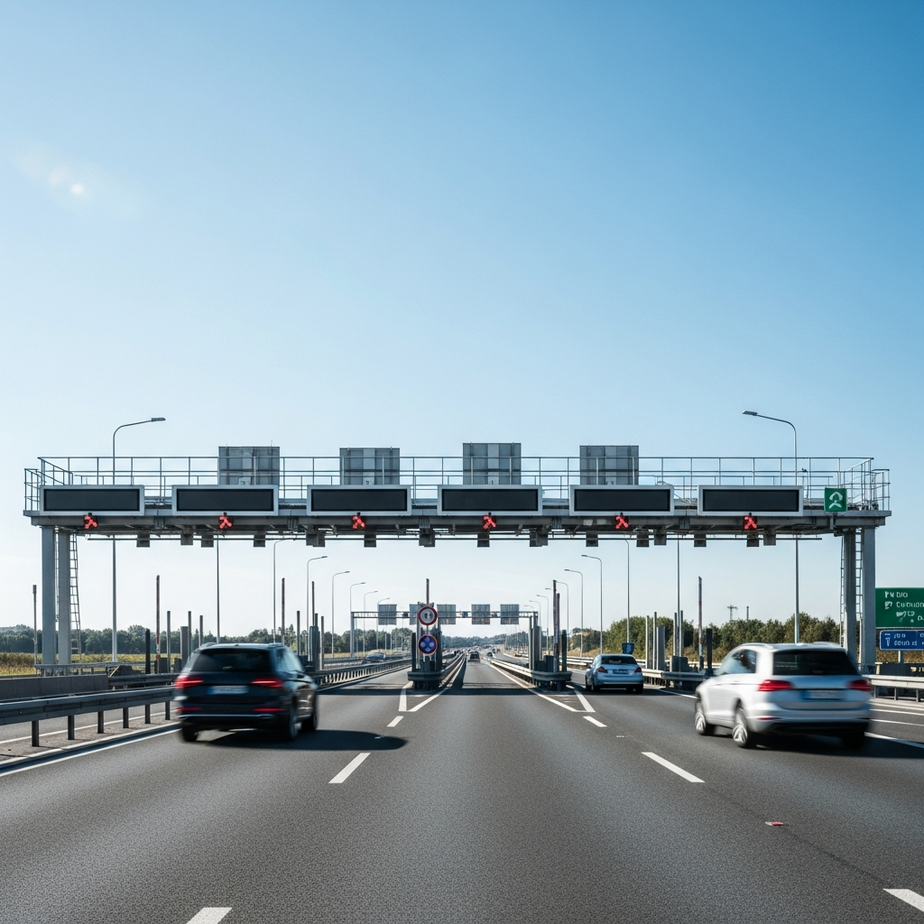
– Sensors embedded in the roadway and overhead gantries constantly monitor traffic volume and speed.
– This real-time data is fed into a central algorithm.
– The algorithm analyzes the level of congestion and predicts future traffic flow.
– To maintain a minimum speed (e.g., 45 mph) on the express lane, the system automatically adjusts the toll price.
When traffic is heavy in the main lanes, the toll price increases to manage demand for the express lane. This ensures the lane remains a reliable, faster option for those who choose to use it. This technological feedback loop is a key reason why **toll rates increased on Mobility Authority corridors**; the system is adjusting to new, post-pandemic traffic realities and higher overall demand.
Funding the Future of Mobility
Toll revenue serves a dual purpose. Beyond managing daily traffic, it is the primary funding mechanism for maintaining existing roadways and financing future infrastructure projects. Central Texas is one of the fastest-growing regions in the country, and that growth places an enormous strain on our transportation system.
The revenue generated from the updated toll rates is reinvested directly into our community’s mobility. This includes:
– Paying off the bonds used to build the roads in the first place.
– Funding ongoing maintenance, such as repaving, lighting, and safety improvements.
– Providing the financial foundation for new projects designed to alleviate future bottlenecks.
Without these periodic, data-informed rate adjustments, the Mobility Authority would lack the capital needed to build projects like the 183A Phase III extension or the future Bergstrom Expressway. The recent rate changes ensure the system remains solvent and capable of supporting the next generation of transportation solutions.
A Detailed Look at the Affected Corridors
The recent rate schedule affects nearly every major toll road managed by the Mobility Authority. While the specific increase varies by road and, in some cases, by time of day, the overarching trend is a move toward rates that more accurately reflect current traffic volumes and construction costs. Understanding where and how these changes are implemented is crucial for planning your commute.
Key Roadways with New Toll Rates
The rate adjustments approved at the October 2025 Board meeting are now active across the network. Let’s break down the corridors involved:
183A Toll and 290 Toll
These established corridors in the northern parts of the region have seen a baseline adjustment. The technology here is less about dynamic pricing and more about accurately calculating usage to meet financial obligations and maintenance needs. The increase reflects rising operational costs and ensures the long-term viability of these critical arteries for Williamson County commuters.
71 Toll Lane and 183 Toll
Connecting commuters to the airport and the southeastern parts of Travis County, these corridors are essential for both residents and visitors. The updated rates on these roads help manage significant traffic flow, especially during peak travel times associated with Austin-Bergstrom International Airport. The technology ensures seamless tolling for millions of travelers each year.
45SW Toll
This corridor was designed to provide a more direct route for commuters in southern Travis and northern Hays counties. The rate adjustment on 45SW Toll is aligned with its role in reducing traffic on congested local roads like Mopac and Slaughter Lane.
MoPac Express Lane
This is the most technologically advanced corridor in the system. As a dynamically priced lane, its rates are not fixed. The recent board decision adjusted the “floor” and “ceiling” of the potential rates to better reflect the extreme demand seen during peak hours. When you see a high price on the MoPac Express Lane, you are seeing a data-driven system working in real-time to preserve the integrity of the lane as a free-flowing travel option. The fact that **toll rates increased on Mobility Authority corridors** is most visible and immediately felt on this particular roadway.
How to Use Technology to Your Advantage
While the news of increased rates can be frustrating, technology empowers you to take control of your commute and mitigate the financial impact. By leveraging the same kind of data the Mobility Authority uses, you can make smarter, more cost-effective travel decisions. Think of it as fighting fire with fire—or in this case, fighting data with data.
Must-Have Apps for the Modern Commuter
Your smartphone is your most powerful tool for navigating the new toll landscape. Several applications provide real-time data that can help you decide the best route before you even leave the house.
1. Waze: This community-driven app not only provides navigation but also allows you to input your specific toll tag (like TxTag or NTTA TollTag). It can then show you toll costs for your suggested route in real-time and even suggest alternative, non-toll routes with estimated travel time differences.
2. Google Maps: Similar to Waze, Google Maps has robust toll price integration. You can configure the app to avoid tolls entirely or to show you the estimated cost before you start your trip. This feature is invaluable for comparing the time saved versus the money spent.
3. Mobility Authority App: For the most accurate, corridor-specific information, using the official app or website of the tolling agency can provide detailed rate schedules and account management tools. Check the Central Texas Regional Mobility Authority website for the latest tools they offer.
The Unbeatable Value of a Toll Tag
If you use toll roads even occasionally, driving without a toll tag is a significant financial mistake. The rate adjustments make this truer than ever. Pay-by-mail rates are substantially higher—often 50% or more—than the electronic tag rate. This is because the technology of reading a license plate, processing the image, and mailing an invoice is far more expensive than a simple RFID radio signal from a tag.
Getting a TxTag or another compatible tag is simple and offers several benefits:
– Lower Rates: You automatically pay the lowest possible toll rate on every corridor.
– Convenience: No more waiting for bills in the mail or risking late fees. Your account is debited automatically.
– Nationwide Access: Many Texas tags are interoperable with systems in other states like Oklahoma and Kansas, making road trips easier.
Strategic Route and Time Planning
The ultimate way to manage costs is to think strategically about when and where you drive.
– If your schedule is flexible, shifting your commute by just 30 minutes can make a significant difference, especially on dynamically priced lanes like MoPac. Use your navigation apps to check traffic and toll prices before you lock in your departure time.
– On days when you aren’t in a rush, use the “avoid tolls” feature on your GPS. You might be surprised to find an alternative route that only adds a few minutes to your trip.
– Consider carpooling. On the MoPac Express Lane, registered HOV (High Occupancy Vehicle) users with a valid tag can get a discount during certain hours. This is a powerful incentive to share a ride.
The Road Ahead: The Future of Tolling Technology
The recent instance of **toll rates increased on Mobility Authority corridors** is not an endpoint but rather a single step in the ongoing evolution of transportation technology. The systems managing our roads today are laying the groundwork for a smarter, more connected, and more efficient future.
Artificial Intelligence and Predictive Tolling
The next frontier is the integration of artificial intelligence (AI) and machine learning. Instead of just reacting to current traffic, future systems will be able to predict congestion with incredible accuracy based on historical data, weather patterns, local events, and even social media trends.
This could lead to a more advanced form of predictive tolling. Imagine your navigation app not only telling you the current toll price but also forecasting the price for the next two hours. This would allow commuters to make even more informed decisions, potentially starting a trip earlier or later to secure a lower rate and experience less traffic.
Integration with Connected Vehicles
As more vehicles become “connected” — equipped with technology to communicate with each other and with infrastructure — the possibilities for traffic management will expand exponentially.
– Vehicles could automatically communicate their destination to a central traffic management system.
– The system could then suggest optimal routes and tolling options directly to the vehicle’s dashboard, routing a city’s worth of traffic in the most efficient way possible.
– Toll payments could become completely seamless, integrated directly into the vehicle’s operating system, eliminating the need for physical tags or windshield stickers.
This interconnected ecosystem promises a future with less congestion, reduced emissions, and safer roads, all funded and managed by the very tolling systems being refined today.
The landscape of our daily commute in Central Texas is changing, driven by the dual forces of population growth and technological advancement. The news that **toll rates increased on Mobility Authority corridors** is a direct reflection of this new reality. While no one enjoys paying more, these adjustments are a vital component of a sophisticated, data-driven strategy to keep our region from grinding to a halt. The technology that determines these rates is the same tool that empowers you to navigate them intelligently.
By embracing tools like real-time navigation apps, securing a toll tag to guarantee the lowest rates, and thinking strategically about your travel times, you can effectively manage the impact of these changes. These aren’t just roads; they are a complex, technologically advanced network. Understanding that network is the key to mastering your commute.
To see the detailed rate schedules for each specific corridor and to manage your toll tag account, visit the official website of the Central Texas Regional Mobility Authority. Staying informed is the best way to ensure you are always choosing the route that is right for your schedule and your budget.