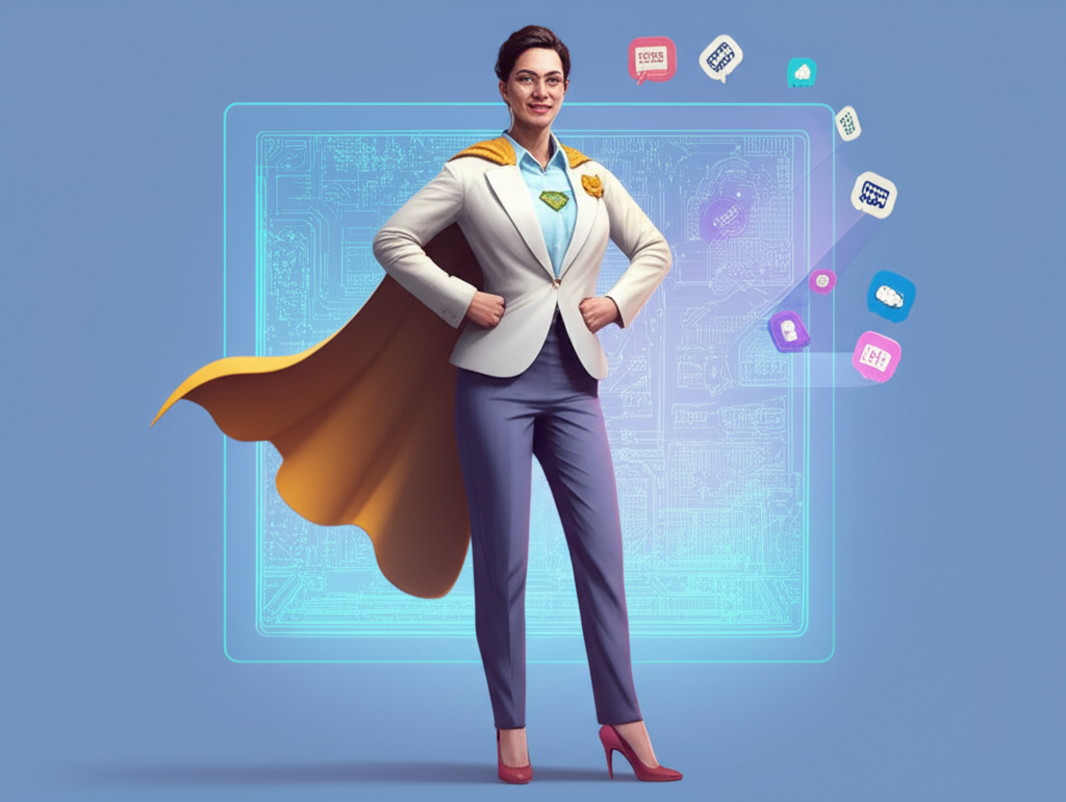
In recent years, artificial intelligence has begun to infiltrate every corner of our lives, from personalized shopping recommendations to autonomous vehicles. One of the most unexpected arenas for AI has been mental health. Chatbots like Woebot, Replika, and various AI-powered platforms promise instant, free counseling at the touch of a button. As people increasingly turn to these digital companions for support, a new dynamic is emerging: the expectation that human therapists must become “superhuman” to keep pace. This shift is reshaping the profession, the patient’s perception, and the very definition of effective therapy.
The Rise of AI in Mental Health
AI mental health advice has moved from niche experiments to mainstream platforms. With 24/7 availability, lower cost, and the allure of anonymity, these tools appeal to individuals who might otherwise avoid traditional counseling. The technology harnesses natural‑language processing, sentiment analysis, and evidence‑based protocols to offer coping strategies, mood tracking, and even crisis‑intervention scripts. As AI continues to improve, users increasingly rely on it for everything from stress relief to complex emotional challenges.
Why the Expectation Gap Emerges
When a user engages with an AI chatbot, they receive instant feedback, personalized suggestions, and a non‑judgmental space to vent. This rapid, consistent service sets a new baseline for what people consider “helpful.” When they later consult a human therapist, the comparison is inevitable. The implicit assumption is that if technology can deliver immediate relief, a therapist should be able to do so with even greater depth, speed, and accuracy. The perceived need for a “superhuman” therapist stems from three core expectations:
- Immediate response – Users expect real‑time intervention, mirroring the AI’s 24/7 readiness.
- Data‑driven precision – AI offers personalized insights based on algorithms; therapists are now expected to match that level of data‑informed care.
- Unflinching availability – The expectation that therapists should be as accessible as a chatbot, with fewer barriers to contact.
These expectations create a perception that human therapy must evolve beyond its current practice—hence the “superhuman” label.
The Human Touch That AI Can’t Replace
Despite AI’s impressive capabilities, it remains fundamentally limited by its programming. Empathy, the capacity to resonate with a client’s unique narrative, is not an algorithmic function. Human therapists bring:
- Intuitive understanding – The subtlety of tone, body language, and cultural nuance informs a therapist’s interventions in ways machines can’t fully capture.
- Ethical judgment – Therapists navigate complex ethical dilemmas, balancing confidentiality, duty of care, and informed consent in real time.
- Human connection – The therapeutic alliance—a bond forged through trust and shared vulnerability—is a cornerstone of lasting change.
These elements create a depth of care that no AI chatbot can replicate, and they form the foundation upon which therapists can differentiate themselves in a technology‑driven marketplace.
Redefining Superhuman in Therapy
“Superhuman” does not mean becoming a robotic oracle or achieving infallibility. Rather, it entails leveraging technology to augment human expertise while preserving the core of therapeutic practice. Here’s how therapists can reinterpret the term:
- Technological fluency – Understanding AI’s potential and limitations enables therapists to incorporate digital tools, such as mood trackers or teletherapy platforms, into their practice effectively.
- Adaptive communication – Mastering online modalities, secure messaging, and video counseling can bridge the accessibility gap without compromising quality.
- Evidence‑based integration – Using data analytics to monitor treatment progress, therapists can refine interventions in a manner comparable to AI’s personalization.
In this light, being superhuman means becoming a hybrid professional—combining deep human empathy with tech‑savvy efficiency.
Practical Ways Therapists Can Stay Ahead
To meet and exceed the new expectations, therapists should consider the following strategies:
- Continuous education – Stay current on advances in AI, digital therapeutics, and telehealth regulations. Workshops and certifications in these areas signal commitment to modern care.
- Client‑centered tech adoption – Introduce digital tools that enhance, not replace, therapy: secure mood journals, AI‑supported symptom trackers, or structured self‑help modules that clients can use between sessions.
- Rapid response protocols – Offer same‑day or next‑day booking options, use secure messaging for brief check‑ins, and provide clear crisis guidelines to reduce waiting times.
- Personalized marketing – Highlight unique therapeutic strengths—such as trauma specialization, integrative modalities, or culturally competent care—through SEO‑optimized content and client testimonials.
- Transparent boundaries – Communicate clear policies regarding session length, response times, and data privacy. Transparency builds trust and differentiates from opaque AI services.
By embedding these practices, therapists can align with contemporary expectations while maintaining the irreplaceable human element.
Ethical Considerations
While technology can enhance accessibility, it also raises ethical concerns. Therapists must navigate data privacy, informed consent, and the risk of overreliance on AI. Establishing strict confidentiality protocols and clearly delineating when a client should seek in‑person help safeguards against potential pitfalls. Additionally, therapists should advocate for responsible AI usage, ensuring that these tools are used to supplement, not supplant, professional judgment.
Conclusion
AI’s entrance into mental health care has undeniably raised the bar for what clients expect from therapy. The call for superhuman therapists is less about surpassing human limitations and more about harmonizing the depth of human connection with the efficiency of digital innovation. By embracing technology thoughtfully, staying ethically grounded, and focusing on the irreplaceable therapeutic alliance, clinicians can meet—and even redefine—modern mental health expectations. In a world where a chatbot can answer a question in seconds, the true superhuman power lies in the therapist’s ability to combine empathy, expertise, and tech‑savvy to create transformative, personalized care that no algorithm can match.