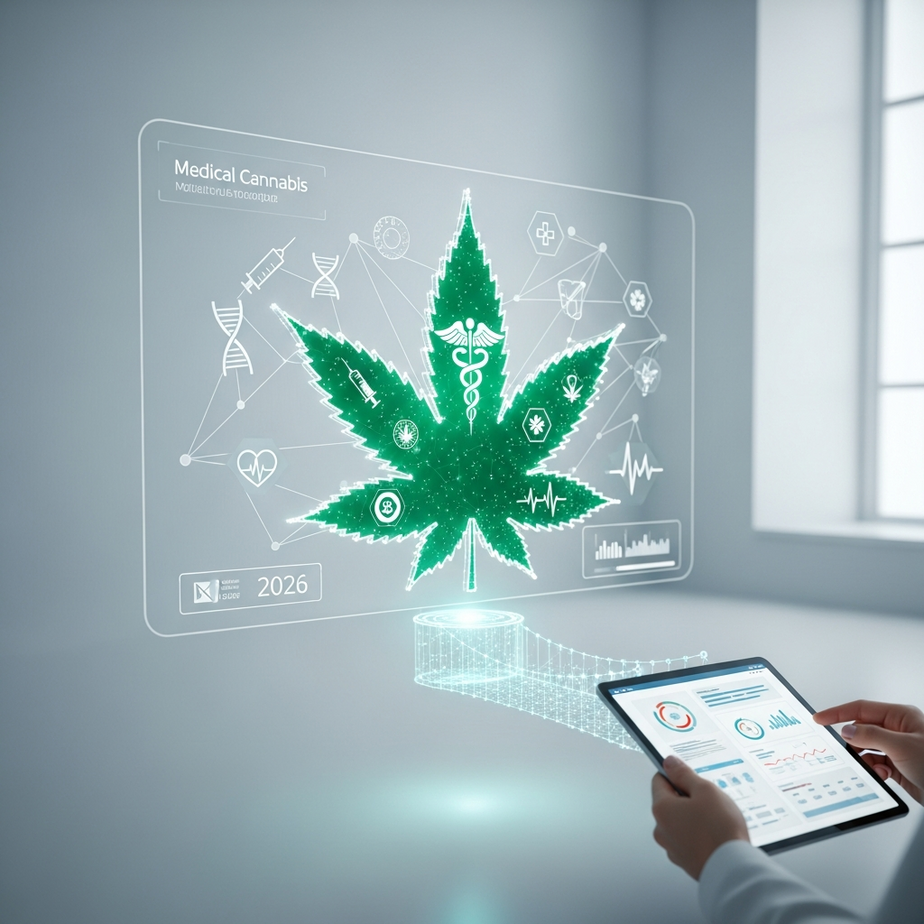
The landscape of modern medicine is undergoing a profound shift as natural therapies increasingly converge with advanced technology. For years, patients seeking relief from chronic pain, anxiety, and stress have turned to cannabis, often navigating the complex world of strains and dosages on their own. As we move deeper into the decade, the concept of scaling medical cannabinoids is no longer just about legalization or agricultural supply; it is about integrating these treatments into standard healthcare workflows. The challenge, however, has always been the disconnect between patient access and professional medical oversight. This is where digital care platforms are stepping in to revolutionize the industry. By bridging the divide between authorized suppliers and the clinical guidance patients desperately need, these technologies are solving the critical care gap that has hindered the medical legitimacy of cannabinoids for far too long.
The Evolution of Cannabinoid Medicine in Mainstream Care
To understand why digital solutions are necessary, we must first look at how the perception of medical cannabis has changed. In the past, the conversation was dominated by activism and the fight for basic access. Today, the dialogue has shifted toward efficacy, safety, and standardization. Medical professionals are beginning to recognize the Endocannabinoid System (ECS) as a vital component of human health, influencing everything from sleep cycles to pain perception. Despite this growing acceptance, the integration of cannabinoid therapies into traditional hospital systems and primary care clinics has been slow. This sluggish pace isn’t due to a lack of patient interest. On the contrary, demand is skyrocketing as an aging population seeks alternatives to opioids and benzodiazepines. The bottleneck lies in the delivery of care. Most physicians were never trained on the ECS in medical school, leaving them hesitant to prescribe or offer guidance on dosage. This hesitation creates a vacuum. Patients are left to rely on the advice of retail staff at dispensaries—individuals who, while often knowledgeable about products, are not medical professionals. This disconnect highlights the urgent need for a scalable infrastructure that can support millions of patients with clinical precision, a feat that manual, in-person consultations alone cannot achieve.
Defining the Clinical Guidance Gap
The core obstacle to scaling medical cannabinoids effectively is what experts call the “clinical guidance gap.” This term refers to the void that exists between a patient receiving a recommendation for medical cannabis and actually achieving a therapeutic outcome. In traditional pharma, a doctor writes a prescription with specific milligram strength and frequency. In the world of cannabis, patients are often given a card and told to “start low and go slow” with little subsequent monitoring. This lack of specificity creates several problems: – Inconsistent Dosing: Without guidance, patients may take too little to be effective or too much, leading to uncomfortable side effects.
– Trial and Error Fatigue: Patients often give up on the therapy after a few failed attempts at finding the right product, assuming it doesn’t work for them.
– Drug Interactions: Without clinical oversight, patients may not realize how cannabinoids interact with their existing heart or blood pressure medications.
– Lack of Documentation: When patients self-medicate without tracking, there is no medical record of what worked, preventing the broader medical community from learning and standardizing care. Digital care platforms are uniquely positioned to close this gap. By leveraging software, artificial intelligence, and telemedicine, these platforms provide the continuous support loop that traditional healthcare systems are currently unable to offer for cannabinoid therapies.
How Digital Care Platforms Are Bridging the Divide
The solution to the guidance gap lies in technology that creates a hybrid model of care. Digital care platforms are not just booking apps; they are comprehensive ecosystems that manage the entire patient journey. As we look toward the standards expected in 2026, these platforms are becoming the central nervous system of cannabinoid therapy.
Personalized Dosing Algorithms
One of the most significant contributions of digital health technology is the ability to personalize care at scale. Human metabolism varies wildly, and cannabis affects everyone differently. Digital platforms utilize sophisticated algorithms that analyze a patient’s age, weight, condition, and previous experience to recommend starting dosages with much higher accuracy than a standard guess. As the patient provides feedback through an app—logging their pain levels, sleep quality, or anxiety ratings—the algorithm adjusts the recommendation in real-time. This dynamic dosing mimics the close monitoring of a hospital setting but occurs entirely on the patient’s smartphone. It removes the fear of the unknown and provides a structured plan that increases the likelihood of therapeutic success.
Remote Patient Monitoring and Telehealth
Scaling medical cannabinoids requires efficient use of physician time. It is impossible for specialists to have hour-long follow-up visits with every patient every week. Digital platforms solve this through remote patient monitoring. Doctors can access a dashboard that highlights patients who are struggling or reporting adverse effects, allowing them to intervene only when necessary. This “management by exception” model allows a single clinician to oversee a much larger patient population effectively. For the patient, it offers peace of mind knowing that a professional is reviewing their progress, fostering a sense of safety and trust that is often missing in the current landscape.
Economic Impacts and Reducing Pharmaceutical Reliance
The rise of digital care platforms in this sector is not just a clinical win; it is an economic necessity. Healthcare costs continue to rise globally, driven largely by the management of chronic conditions and an aging population. Reports consistently show no letup in the growth of medical expenses, forcing payers and insurers to look for cost-effective alternatives. Cannabinoid therapies, when managed correctly, have shown potential to reduce the utilization of expensive pharmaceuticals. For example, replacing a regimen of high-cost opioids or biologics with a responsibly managed cannabinoid plan can lead to significant savings for both the patient and the insurer. However, insurance companies have historically been reluctant to cover these therapies due to the lack of standardized data. Digital platforms change this equation. By collecting rigorous, HIPAA-compliant real-world evidence (RWE), these platforms generate the data necessary to prove efficacy to payers. When a platform can demonstrate that 5,000 patients with neuropathic pain reduced their prescription costs by 30 percent after initiating a guided cannabinoid protocol, it builds the business case for broader insurance coverage.
The Patient Experience in a Digitally Integrated Model
To truly understand the impact of scaling medical cannabinoids through technology, it helps to visualize the patient experience in this modernized ecosystem. In a non-digital model, a patient might visit a clinic, get a paper recommendation, drive to a dispensary, and face a wall of confusing products. In the digitally integrated model of 2026, the journey is seamless: 1. The patient undergoes a virtual consultation with a specialist via a secure telehealth app.
2. The doctor inputs the patient’s symptoms and history into the platform.
3. The platform’s AI suggests a specific chemical profile (ratio of THC to CBD and terpene profile) rather than a generic strain name.
4. The patient receives a digital prescription that can be filled at a partnered dispensary or delivered directly to their home.
5. Upon delivery, the patient scans a QR code on the product, which syncs with their health tracking app.
6. The app sends push notifications for dosing reminders and prompts the patient to rate their symptom relief. This streamlined process removes friction and stigma. It treats the therapy with the same level of professionalism as any other medical treatment, which is crucial for older patients or those new to cannabis who may feel uncomfortable with the traditional dispensary culture.
Regulatory Compliance and Safety at Scale
As government regulations tighten and the industry matures, compliance becomes a major hurdle for scaling operations. Regulators are demanding better tracking, age verification, and assurance that products are being used for legitimate medical purposes. Digital care platforms provide an immutable audit trail. They ensure that every recommendation is documented, every purchase is tracked against a valid prescription, and every patient interaction is recorded. This level of transparency is essential for the federal reclassification of cannabis and its acceptance by major medical governing bodies. Furthermore, safety is paramount when scaling any medication. Digital platforms can integrate with national databases to flag potential interactions with other prescriptions the patient is taking. If a patient is on a blood thinner, the system can automatically alert the prescribing physician that cannabinoids might affect the metabolism of that drug, preventing a potentially dangerous situation before it happens. This automated safety net is the hallmark of a mature, scalable healthcare solution.
The Future of Evidence-Based Cannabinoid Care
The ultimate goal of scaling medical cannabinoids is to move from anecdotal success to evidence-based medicine. For decades, the phrase “it works for me” has been the primary validation for cannabis use. While powerful, personal stories do not change medical guidelines. Digital platforms are the engines that will power the next generation of clinical research. By aggregating millions of data points regarding which ratios work best for specific conditions like Crohn’s disease, PTSD, or rheumatoid arthritis, these platforms are effectively running massive, decentralized clinical trials. This data feedback loop benefits everyone. Manufacturers can produce formulations that are scientifically proven to work. Doctors can prescribe with confidence, backed by data from thousands of similar cases. And most importantly, patients receive care that is refined, predictable, and safe.
Moving Toward a Connected Healthcare Ecosystem
The trajectory is clear. The days of medical cannabis existing as a fringe therapy on the outskirts of the healthcare system are numbered. As we approach 2026, the integration of digital care platforms is proving to be the catalyst that allows this industry to scale responsibly. By solving the clinical guidance gap, these technologies are validating the therapeutic potential of cannabinoids and ensuring that patients receive the support they deserve. For healthcare providers, investors, and patients alike, the focus must now shift toward adopting and supporting these digital infrastructures. It is no longer enough to simply have access to the plant; the future belongs to those who have access to the guidance, data, and personalized care that turns a plant into true medicine. If you are navigating this space, whether as a provider or a patient, seek out platforms that prioritize clinical oversight and data-driven results—because that is where the future of health resides.