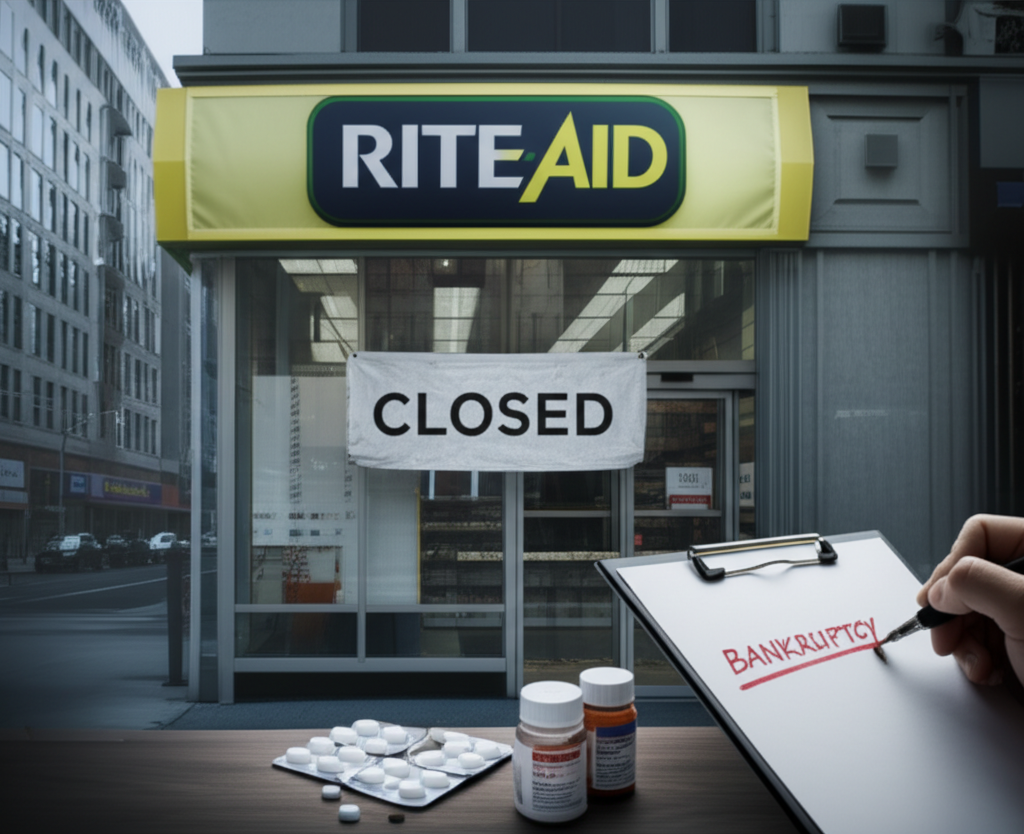
In the early hours of Friday, the last Rite Aid storefronts across the United States went dark, signaling the definitive end of a once‑prominent pharmacy chain that had been on a roller‑coaster of bankruptcies and attempts at revival. The closure marks a watershed moment for the U.S. retail pharmacy sector, leaving a void that will reshape how communities access prescription drugs, health‑care services, and everyday essentials.
The Rise and Fall of a Pharmacy Giant
Founded in 1962, Rite Aid quickly grew to become one of America’s largest drugstore retailers, with over 2,500 stores at its peak. Its strategy hinged on convenient, low‑cost pharmacy services coupled with a broad assortment of health and beauty products. By the early 2000s, Rite Aid was a household name, competing fiercely with giants like CVS and Walgreens.
However, the mid‑2010s brought seismic changes. The proliferation of specialty pharmacies, shifting reimbursement models, and aggressive competition eroded Rite Aid’s market share. In 2015, the company sold its assets to a consortium of private equity investors, a move that ultimately fragmented its operations and diluted its brand identity. The company’s financial woes deepened, culminating in its first Chapter 11 filing in 2015.
After a period of restructuring, Rite Aid emerged from bankruptcy in September 2024, hoping to restore profitability by closing underperforming stores and modernizing its supply chain. But less than a year later, the company found itself back in the bankruptcy court, forced to shutter hundreds of locations again.
The Final Chapter: Why the Last Stores Closed
Several factors converged to trigger the final shutdown:
- Supply‑Chain Disruptions – Global drug shortages and logistic bottlenecks left many Rite Aid locations unable to keep shelves stocked, eroding customer confidence.
- Debt‑Heavy Balance Sheet – The company carried an unsustainable debt load, amplified by a failure to secure adequate capital infusion during the pandemic‑era financial crisis.
- Shift to Digital – Consumers increasingly turned to online pharmacies and delivery services, undercutting the foot‑traffic model that Rite Aid relied upon.
- Regulatory Scrutiny – Heightened scrutiny over prescription drug pricing and pharmacy benefit manager practices created an environment in which Rite Aid struggled to comply without cutting costs.
With these challenges stacked against it, the company’s leadership decided to exit the market entirely, closing the final locations in a move that resonated across communities, especially in rural and underserved areas where Rite Aid had served as a primary health‑care access point.
Impact on Employees and Communities
More than 12,000 Rite Aid employees faced sudden job losses, many of whom were long‑time pharmacists, technicians, and retail associates. The abrupt closures also left thousands of suppliers and contractors scrambling to recoup unpaid invoices. Communities that once relied on Rite Aid for affordable medication and health‑care advice are now left to navigate a fragmented pharmacy landscape.
For many low‑income households, the loss of a nearby drugstore means longer travel times to access essential prescriptions, potentially jeopardizing treatment adherence and health outcomes. Some local governments and non‑profit organizations have begun to step in, offering mobile pharmacy units and partnering with remaining chains to provide discounted medication lists.
Lessons for the Pharmacy Industry
The Rite Aid collapse serves as a cautionary tale for the broader pharmacy sector. Key takeaways include:
- Diversify Revenue Streams – Reliance on traditional retail sales is increasingly risky. Integrating telehealth, specialty pharmacy, and digital prescription services can provide resilience.
- Maintain a Lean Cost Structure – High operational costs, especially in maintaining physical storefronts, must be balanced against the rising trend of online and delivery‑based models.
- Transparent Pricing – With growing consumer and regulatory scrutiny over drug pricing, transparency and fair pricing mechanisms are essential for consumer trust.
- Community Engagement – Pharmacies that remain embedded within local communities, offering health education and preventative care, can differentiate themselves from generic retail models.
What Comes Next for Consumers?
In the wake of Rite Aid’s exit, several avenues open up for consumers:
- Alternative Chains – CVS, Walgreens, and emerging discount pharmacies like GoodRx and Blink Pharmacy are likely to absorb displaced customers, potentially offering lower prices or expanded services.
- Online and Delivery Services – Digital platforms such as Amazon Pharmacy, PillPack, and other mail‑order services continue to grow, providing convenient doorstep delivery.
- Community Health Centers – Many health departments and non‑profits are expanding community health centers to fill gaps in medication access, especially in rural and low‑income areas.
Consumers should also stay vigilant about drug pricing and seek assistance programs. Government initiatives such as the Prescription Drug Affordability Act and state‑level pharmacy benefit manager regulations may offer new safeguards in the near future.
Conclusion
The demise of Rite Aid underscores a pivotal shift in the U.S. pharmacy landscape. While the closure represents a significant loss for employees, suppliers, and consumers, it also signals an inflection point toward a more digital, consumer‑centric model of drug distribution. As the industry grapples with evolving regulatory frameworks, supply‑chain volatility, and changing consumer preferences, the lessons from Rite Aid’s downfall will resonate for years to come—emphasizing the need for adaptability, transparency, and community engagement in the quest for sustainable pharmacy services.