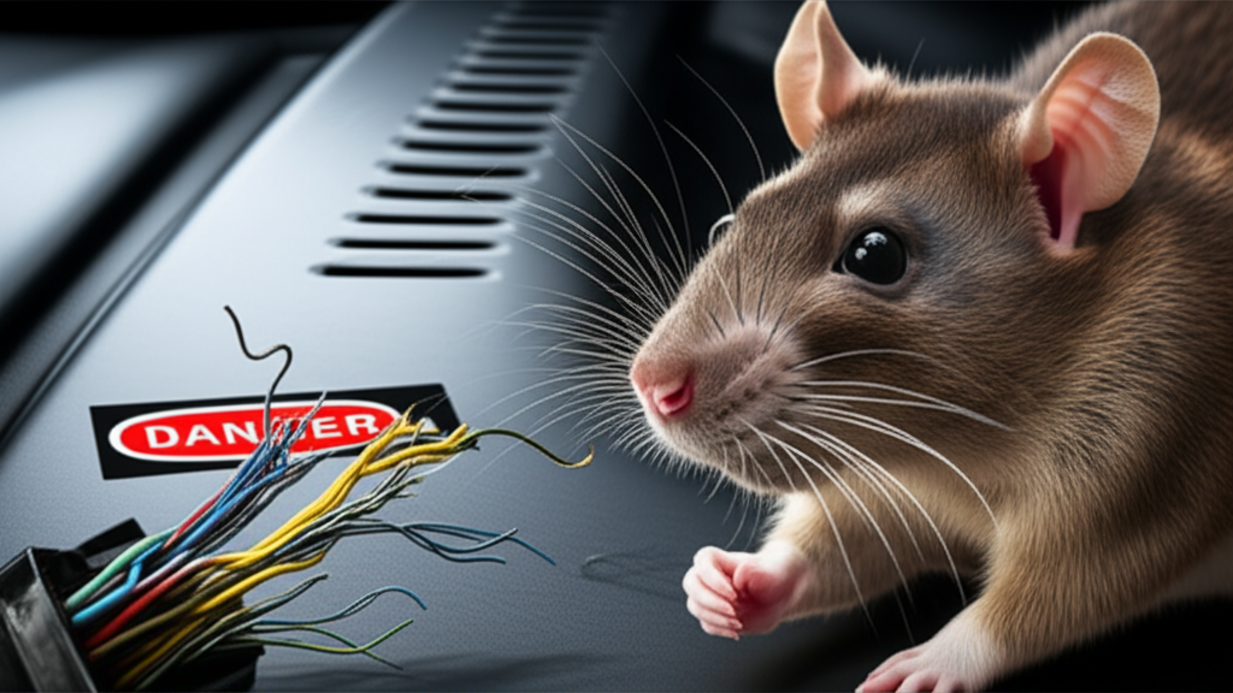
Every time you hear that low, metallic gnawing sound behind your car’s dash, you’re likely dealing with a rodent problem that can quietly erode your vehicle’s electrical heart. Rodents—particularly rats and mice—are infamous for chewing on car wires. Understanding why they target these cables and how to keep them at bay can save you from costly repairs and extend the life of your vehicle’s interior. Below, we’ll dive into the science of rodent chewing habits, the typical damage they cause, and a practical, budget‑friendly guide to protecting your ride from rodent-induced havoc.
Why Do Rats Love Car Wires?
Rodents have a constant need to gnaw. Their incisors grow throughout their lives, and they must wear them down to avoid overgrowth and potential tooth loss. The simplest, most abundant materials they find in everyday environments are things like wires, plastic, rubber, and cloth. In cars, electrical cables are a perfect target: they’re long, flexible, and often hidden within the vehicle’s interior where the rodents can’t be seen.
Two key factors explain why car wires become a favorite snack for rodents:
- Convenience: Wires run through hard-to-reach places—behind dashboards, under carpets, and inside door jambs. Rodents can gnaw with minimal resistance, and their tiny bodies allow them to squeeze into tight spots.
- Nutritional Value: While not a primary food source, wires offer a source of minerals. The copper and other metals can provide essential trace elements for rodent diets.
Once a rodent finds a wire, it can chew until the insulation is compromised. The exposed metal then becomes a short circuit or an open circuit, depending on how the damage progresses.
Common Signs of Rodent Damage in Your Vehicle
Detecting early rodent damage is critical. Look for the following clues:
- Unexplained Electrical Issues: If your radio suddenly stops, headlights flicker, or the power windows fail intermittently, a hidden gnawing trail might be the culprit.
- Foul Odors: Rodent droppings or urine can create a persistent smell inside the cabin.
- Physical Evidence: Small gnaw marks, shredded insulation, or even rodent droppings near wiring bundles.
- Electrical Fires: The most dangerous outcome—short circuits can ignite, leading to fire or smoke damage.
Because rodents often hide in places that are difficult to inspect, you may not spot them until a serious problem emerges.
Step‑by‑Step Prevention Strategy
Preventing rodent damage isn’t just about installing a single deterrent; it’s a multi-layered approach that addresses both attraction and access. Below is a systematic guide to safeguard your car’s wiring:
1. Choose the Right Parking Spot
Rats are drawn to warm, quiet environments. If you have the flexibility, park in a garage or a covered area during the colder months. Avoid leaving your vehicle in damp, cluttered lots where rodents may nest.
2. Keep Your Car Clean and Dry
Remove food wrappers, paper, and other attractants from the interior. Dry the interior after rain or a long trip—wet surfaces can invite pests.
3. Use Rodent‑Proof Wire Guards
Specialized guards—often made of heavy-duty plastic or metal—can be installed around vulnerable wiring harnesses. These guards act as a physical barrier that rodents cannot chew through, but they are flexible enough to accommodate vehicle movement. Common products include:
- Metalized plastic conduit sleeves
- Foam wire insulation with added deterrent sprays
- Heat‑resistant, chew‑proof cable sleeves
4. Apply Rodent Deterrent Sprays
Commercial rodent deterrents use natural repellents—peppermint oil, mothballs, or other scents—to discourage gnawing. Apply them around the engine bay, under the hood, and along wiring bundles. Be sure to follow the manufacturer’s safety guidelines, especially around sensitive components.
5. Seal Entry Points
Inspect the exterior of your vehicle for cracks or gaps where rodents could enter. Use steel wool or fine mesh, combined with silicone sealant, to block small openings. Pay special attention to areas near the battery, fender wells, and wheel wells.
6. Regular Inspections
Schedule a quarterly check-up for your wiring. Look for visible damage or signs of gnawing. If you notice early evidence, replace the affected cable or install additional protective sleeves promptly.
7. Use Electronic Rodent Repellers
Some products emit ultrasonic frequencies that are uncomfortable for rodents but inaudible to humans. While results vary, pairing these devices with physical barriers can enhance overall protection.
When to Call a Professional
Even with diligent prevention, some damage may still occur. If you experience:
- Repeated electrical failures after a single incident
- Visible damage to wiring that is difficult to access
- Electrical fire risk signs (smoke, melted insulation)
It’s time to involve a qualified automotive electrician. Attempting to repair complex wiring yourself can be hazardous and may void warranties.
Conclusion: Protecting Your Car’s Lifeline
Rats may seem like minor annoyances, but their gnawing habits can quietly sabotage your vehicle’s electrical system. By understanding why they target wires and implementing a comprehensive defense strategy—ranging from strategic parking and cleanliness to protective guards and deterrent sprays—you can keep your car’s interior safe from rodent damage. Regular inspections and prompt professional assistance when needed will ensure that your vehicle remains reliable and safe for years to come. Treat this simple prevention routine as a key maintenance step, and enjoy the peace of mind that comes with a rodent‑free ride.