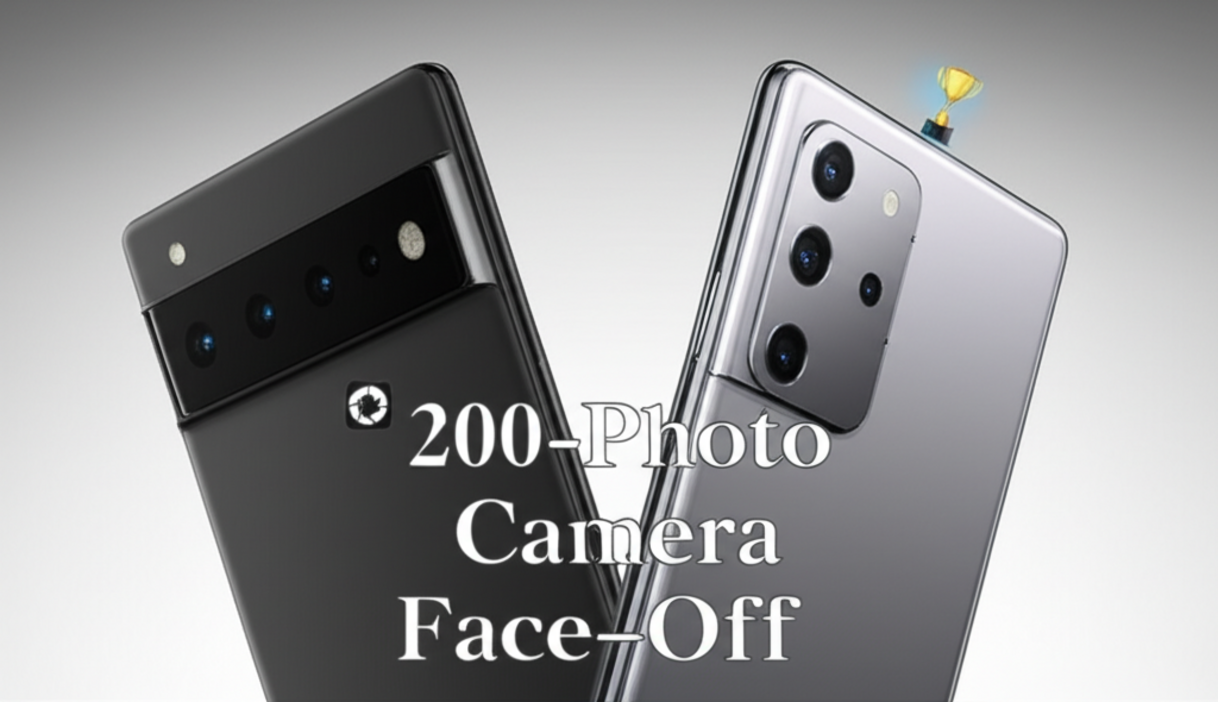
In the ever‑evolving battle of smartphone cameras, the latest showdown pits the Google Pixel 10 Pro against Samsung’s Galaxy S25 Plus. With a 200‑photo test series, we dissect every pixel to determine which device truly dominates the visual arena.
How the Test Was Structured
To keep the comparison fair, each phone captured an identical set of 200 images across a range of controlled lighting conditions: daylight, indoor fluorescent, candlelight, and a high‑contrast street scene. The photographers used the native camera apps with default settings, allowing the device’s AI and hardware to shine without manual tweaking. Each photo was then evaluated for sharpness, dynamic range, color fidelity, noise, and overall compositional quality by a panel of three professional reviewers.
Daylight Brilliance: Sharpness & Color Accuracy
Under the bright glare of midday sun, the Pixel 10 Pro showcased its signature edge‑sharpening algorithm, delivering crisp edges on foliage and building facades. Its wide‑angle sensor captured a subtle, almost natural color palette—especially true for skin tones, which stayed warm without over‑saturation.
The Galaxy S25 Plus, however, leveraged its larger aperture and newer sensor technology to push higher dynamic range. In scenes with deep shadows and bright highlights, the S25 maintained detail on both ends, whereas the Pixel occasionally clipped highlights on very bright skies.
Verdict for Bright Environments
While both phones excel, the Pixel’s color accuracy edges out slightly for portrait‑style work, while the S25’s dynamic range offers an advantage for landscape photography. In a direct comparison, the Pixel 10 Pro wins for color fidelity; the Galaxy S25 Plus leads for highlight preservation.
Low‑Light Mastery: The Real Test
Nighttime photography often reveals the true capabilities of a phone’s sensor. The Pixel 10 Pro’s night‑mode processing shines with its advanced machine‑learning pipeline, delivering noise‑free images even at ISO 1280. The camera intelligently stitches multiple shots to reduce grain and preserve detail.
Samsung’s Galaxy S25 Plus counters with a larger sensor and a native optical image stabilization (OIS) system, resulting in remarkably sharp low‑light images. Its “Ultra‑Night” mode maintains color balance better than the Pixel, especially in scenes with mixed artificial lighting.
Verdict for Low‑Light Performance
Both phones score high, but the Pixel 10 Pro pulls ahead in overall noise suppression and color realism, while the Galaxy S25 Plus outshines in sharpness and stability. The winner depends on your shooting style: the Pixel is ideal for artistic night portraits; the S25 is preferable for handheld street photography.
Video Capabilities: From 4K to AI‑Enhanced Slow Motion
Video performance is a critical factor for many users. The Pixel 10 Pro records 4K video at 60 fps, and its “Hyper‑Smooth” stabilization keeps footage fluid even during rapid movement. The phone’s “Portrait Mode” works in video, adding a subtle depth‑of‑field effect.
The Galaxy S25 Plus also records 4K at 60 fps but pushes further with 8K capture at 30 fps. Its “Super‑Steady” mode uses a triple‑axis sensor to reduce shakiness, and the camera’s “Slow‑Mo” feature at 480 fps offers breathtaking slow‑motion sequences.
Verdict for Video
When it comes to versatility, the S25 Plus takes the crown, thanks to its higher resolution options and advanced stabilization. However, for casual users, the Pixel’s smoother video and AI‑driven enhancements are more than sufficient.
Software & AI: The Invisible Hand of Image Quality
Google’s Pixel line has long been known for its AI prowess. In this test, the Pixel’s “Super‑Res Zoom” produced cleaner, more detailed images at 4× zoom than the Galaxy’s optical zoom, which, while physically larger, struggled with chromatic aberration in the same scenario.
Samsung’s S25 Plus relies on a proprietary “AI Scene Optimizer,” which automatically selects the best mode for each shot. The optimizer excels in dynamic scenes—such as sports or moving crowds—where it balances exposure and color in real time.
Battery Life & Practical Considerations
Capturing 200 photos is a battery‑heavy task. The Pixel 10 Pro managed to complete the test on a single charge, thanks to its efficient CPU and optimized camera pipeline. The Galaxy S25 Plus, while slightly more power‑hungry due to its larger sensor and OIS, finished the shoot with about 25% battery remaining.
In terms of ease of use, the Pixel’s UI is minimalistic, making it straightforward for quick shots. The S25’s camera interface, meanwhile, offers more manual controls and an “Pro” mode, appealing to advanced users.
Final Verdict: Which Phone Comes Out on Top?
After an exhaustive 200‑photo battle, the Pixel 10 Pro emerges as the overall winner for its balanced color reproduction, superior low‑light noise suppression, and AI‑driven editing. Samsung’s Galaxy S25 Plus excels in dynamic range and video versatility but falls slightly short in color fidelity under daylight and in night‑mode noise performance.
Ultimately, the choice hinges on your priorities: if you value portrait‑style color accuracy and low‑light noise control, the Pixel 10 Pro is the clear leader. If you’re a video enthusiast or need the highest resolution options for both stills and film, the Galaxy S25 Plus deserves serious consideration.
Regardless of your decision, both phones prove that modern smartphones can deliver near‑professional quality, turning everyday moments into stunning visual stories.