The Overwhelming Tide of Digital Life
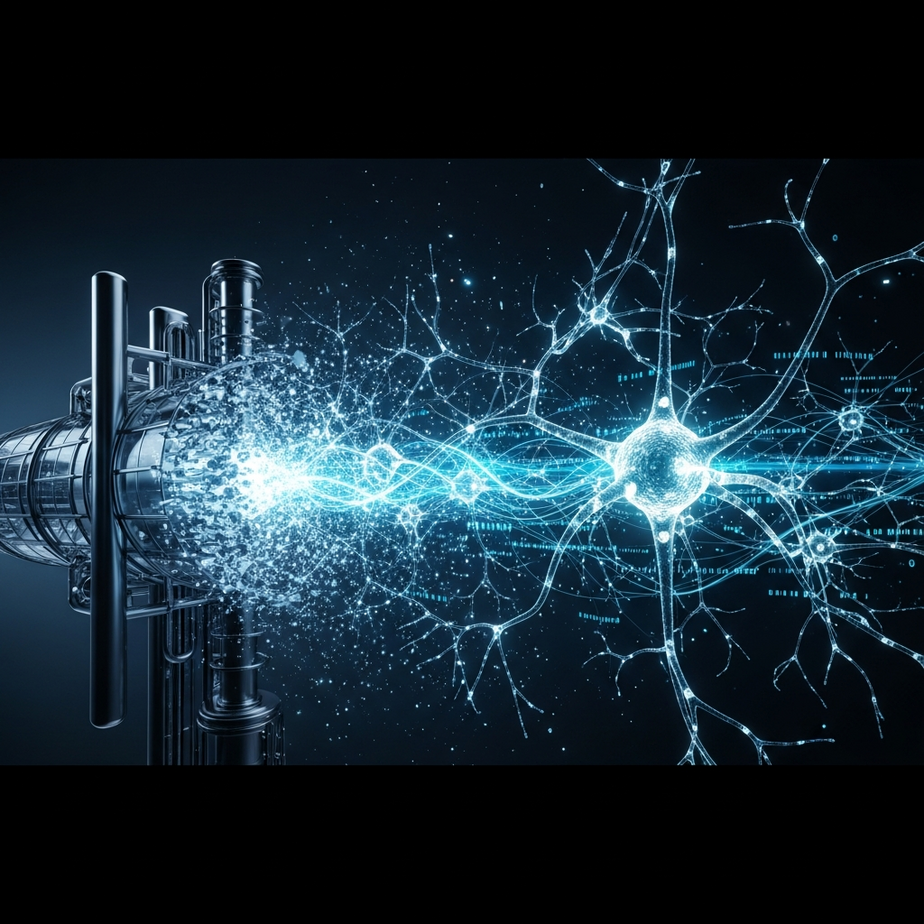
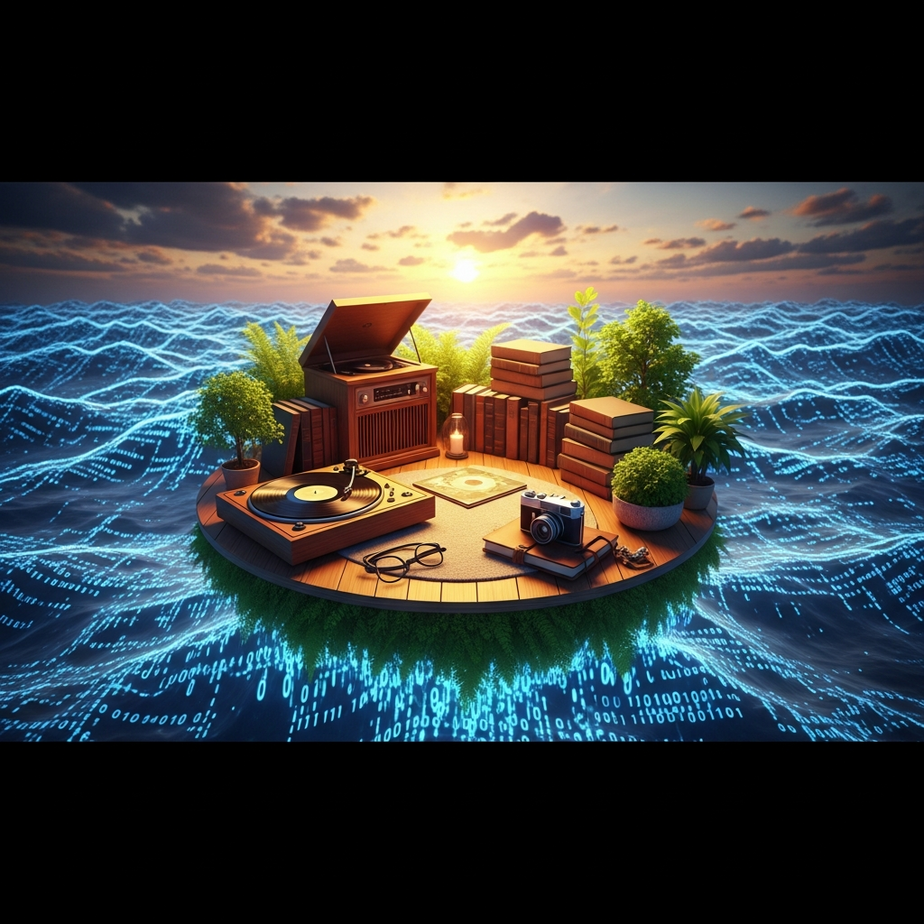
Do you ever feel like you’re adrift? Surrounded by a relentless sea of notifications, algorithm-driven feeds, and the constant pressure to be online, it’s easy to feel disconnected from reality itself. For many, this digital saturation has led to a quiet rebellion, a search for solid ground in a world of fleeting pixels. People are discovering that the past gives comfort, finding refuge on **analog islands in the digital sea** where focus, tangibility, and genuine connection are the native currency. This isn’t about rejecting technology outright; it’s about intentionally carving out spaces for experiences that a screen simply cannot replicate. It’s a movement back to the real, the tactile, and the profoundly human.
Why We Crave Analog in a Digital Age
The pull toward analog is more than just nostalgia; it’s a direct response to the psychological toll of modern digital life. As our work, social lives, and entertainment become increasingly mediated by screens, our brains are struggling to keep up with the constant influx of information and stimulation.
Combating Digital Fatigue and Burnout
Our devices are designed to capture and hold our attention. Endless scrolling, push notifications, and the fear of missing out (FOMO) create a state of perpetual hyper-vigilance. This “always-on” culture contributes significantly to digital fatigue, a state of mental exhaustion and cognitive overload caused by excessive screen time. The result is diminished focus, increased anxiety, and a feeling of being perpetually drained.
Choosing an analog activity is a form of active resistance against this fatigue. When you pick up a physical book, you are making a conscious choice to engage with a single, contained narrative. There are no hyperlinks to distract you, no pop-up ads to break your concentration. These **analog islands in the digital sea** provide a much-needed sanctuary for our overstimulated minds, allowing us to recharge and regain a sense of control over our attention.
The Deep Satisfaction of a Tangible Connection
So much of our digital world is ephemeral and abstract. Files exist in a cloud, music streams from an invisible source, and friendships are maintained through glowing text. Analog experiences, in contrast, are grounded in the physical world. They engage multiple senses and provide a satisfying, tangible feedback loop that digital interactions often lack.
Consider the difference between listening to a playlist on a streaming service and putting a vinyl record on a turntable. The act of removing the record from its sleeve, placing it on the platter, and gently lowering the needle is a ritual. You can feel the weight of the record, see the grooves, and hear the subtle crackle before the music starts. This multi-sensory engagement creates a deeper, more intentional connection to the music. Similarly, the heft of a film camera, the smell of old paper in a used bookstore, or the texture of soil while gardening provide a grounding force, reminding us of the rich, physical world that exists beyond our screens.
Discovering Your Own Analog Islands in the Digital Sea
Creating a refuge from the digital storm doesn’t require a dramatic lifestyle overhaul. It’s about identifying and cultivating small, intentional practices that bring you back to the physical world. The key is to find activities that you genuinely enjoy and that demand your focused, offline attention.
From Hobbies to Habits: Practical Sanctuaries
Your personal analog island can be anything that disconnects you from the internet and connects you to a tangible process. The options are limitless and cater to every personality and interest.
Here are a few popular examples of **analog islands in the digital sea**:
– Film Photography: The process of shooting on film forces deliberation. With a limited number of exposures, each shot becomes more meaningful. The delayed gratification of waiting for film to be developed offers a welcome break from the instant-feedback loop of digital cameras and smartphones.
– Vinyl Records and Cassettes: As mentioned, collecting and listening to physical music formats is a ritualistic and immersive experience. It encourages listening to an entire album as a cohesive work of art rather than skipping through singles on a playlist.
– Handwritten Letters and Journaling: Putting pen to paper slows down your thoughts and fosters a more intimate form of communication, whether with yourself or others. The physical act of writing is a powerful tool for reflection and connection that typing can’t fully replicate.
– Board Games and Puzzles: Gathering around a table for a board game encourages direct social interaction, laughter, and friendly competition. Working on a jigsaw puzzle is a meditative practice that improves spatial reasoning and provides a clear, satisfying sense of accomplishment.
– Reading Physical Books: E-readers are convenient, but the experience of reading a printed book—the feel of the pages, the ability to physically see your progress, and the absence of distracting notifications—remains unparalleled for deep, focused reading.
The Rise of the “Dumb Phone”
For a growing number of people, the ultimate analog island is one they can carry in their pocket. The resurgence of “dumb phones” or feature phones—devices limited to calls and basic texts—is a testament to the desire to reclaim mental space. As reported in publications like The New York Times, even younger generations are embracing these simpler devices to escape the addictive nature of smartphones.
Switching to a dumb phone, even just for weekends or evenings, effectively eliminates the source of countless digital distractions. It forces you to be more present in your surroundings and engage with the people you are physically with. It’s a powerful statement of intent: choosing to live life directly, rather than through the lens of a smartphone screen.
The Psychological and Social Benefits of Unplugging
The move toward analog isn’t just about escaping the negative aspects of digital life; it’s also about embracing the profound positive benefits that come from disconnecting. These practices can sharpen the mind, deepen our relationships, and foster a greater sense of well-being.
Fostering Deep Focus and Unleashing Creativity
Our brains are not wired for the constant context-switching demanded by digital multitasking. Bouncing between emails, social media, and work documents fragments our attention and hinders our ability to engage in deep work. Analog activities, by their very nature, promote monotasking.
When you are developing a photograph in a darkroom, knitting a scarf, or learning a piece of music on the piano, you are fully immersed in a single task. This state of complete absorption, often referred to as a “flow state,” is not only highly productive but also deeply rewarding. By regularly engaging in these focused activities, you train your brain’s “attention muscle,” improving your ability to concentrate even when you return to your digital tasks. This protected mental space is also where creativity flourishes, free from the interruptions that stifle new ideas.
Rebuilding Authentic Social Connections
While digital platforms promise connection, they often deliver a shallow substitute for genuine human interaction. We collect “friends” and “followers” but can end up feeling more isolated than ever. **Analog islands in the digital sea** frequently serve as catalysts for authentic, face-to-face community.
Joining a book club, attending a board game night, participating in a community garden, or taking a pottery class brings people together in a shared physical space, centered around a common, tangible interest. Conversations flow more naturally without the mediation of a screen. These interactions build stronger social bonds and combat the loneliness that has become a pervasive issue in our hyper-connected world. It’s in these shared, offline moments that true community is often forged.
Finding a Healthy Balance: The Hybrid Approach
Embracing analog does not mean you have to become a Luddite and abandon technology. The goal isn’t to escape the digital sea entirely, but to learn how to navigate it without drowning. The most sustainable approach is a hybrid one, where you intentionally integrate analog practices into your digitally-driven life.
Creating Boundaries for a Balanced Life
Balance is achieved through conscious boundaries. Instead of letting technology dictate your schedule and attention, you take control. This can be implemented through simple, powerful habits that create protected time and space for offline activities.
Consider establishing clear rules for technology use in your home:
– Tech-Free Zones: Designate certain areas, like the bedroom or the dining table, as screen-free zones to promote better sleep and more engaged family meals.
– Analog Mornings: Commit to the first hour of your day being screen-free. Use this time for meditation, journaling, reading a physical book, or simply enjoying a cup of coffee without the influx of news and notifications.
– Digital Sunsets: Set a “digital curfew” an hour or two before bed. Powering down your devices allows your brain to unwind, leading to more restful sleep.
– Scheduled Disconnection: Deliberately schedule “analog time” in your calendar, just as you would a meeting. This could be a weekly visit to the library, a weekend hike without your phone, or a designated evening for a hobby.
Using Digital Tools to Enhance Analog Pursuits
Ironically, technology can be a powerful ally in your quest for analog experiences. The key is to use it as a tool, not as a destination. Online forums, social media groups, and platforms like Meetup can help you find local communities of people who share your analog interests.
You can use the internet to research new woodworking techniques, find a local darkroom, or buy used vinyl records. In this model, the digital world serves as a bridge to a richer, more tangible analog life. It helps you find your tribe and acquire the resources you need to build your personal **analog islands in theดิจิทัล sea**.
The digital world will only continue to expand, with advancements in AI, virtual reality, and the metaverse poised to deepen the digital sea even further. Yet, this progression doesn’t render analog obsolete; it makes it more essential than ever. The more our lives become dematerialized and automated, the greater our human need for tactile, authentic, and grounding experiences will become. The resilience of markets for things like vinyl records, print books, and film cameras is not a fleeting trend driven by hipster aesthetics. It is a powerful indicator of a deep-seated human desire for things that are real, permanent, and meaningful.
These **analog islands in the digital sea** are not just refuges; they are anchors. They remind us of what it means to be human in an increasingly virtual world. They offer a space to slow down, to focus, to create with our hands, and to connect with others in a genuine way. They prove that while technology can offer convenience and connection of one kind, it cannot replace the profound comfort and satisfaction that comes from engaging with the physical world.
The choice is yours. You don’t have to be swept away by the digital tide. By being intentional, you can build your own sanctuaries of focus and calm. Start small. Pick one activity that calls to you—buy a single vinyl record, write one letter, or spend an afternoon with a jigsaw puzzle. Discover the quiet joy of disconnection. What will your first analog island be? Share your ideas and experiences in the comments below.