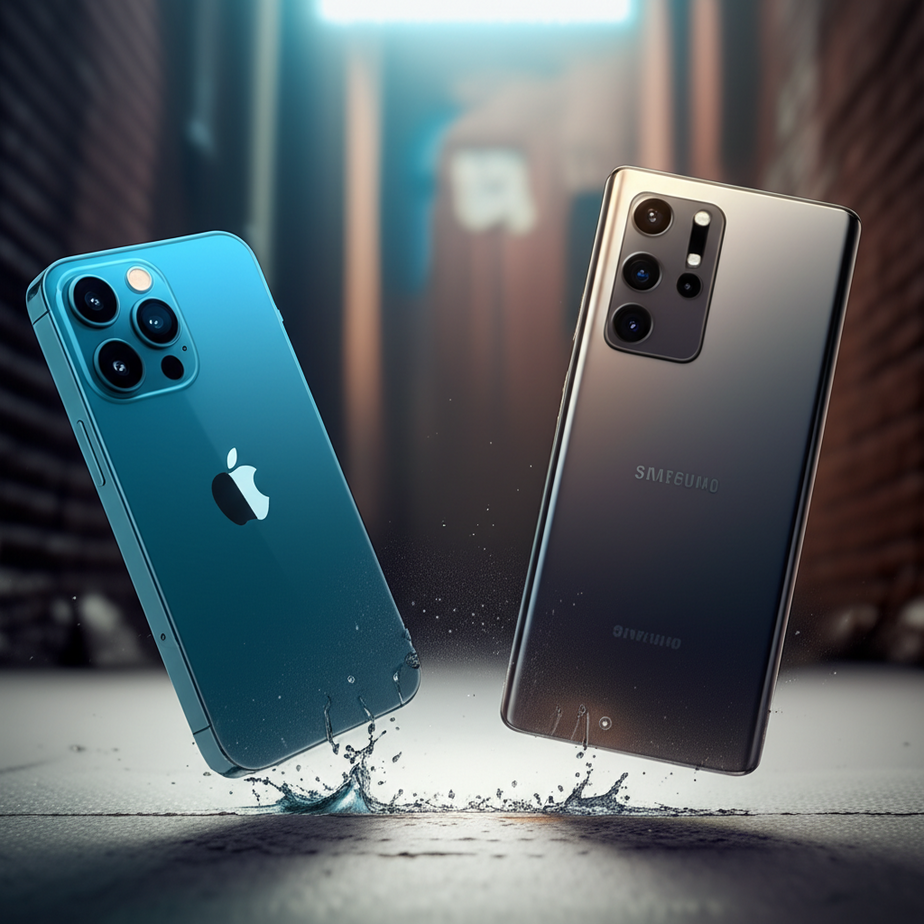
Apple’s latest flagship, the iPhone 17 Pro Max, has finally met its match in the hands of Samsung’s newest titan, the Galaxy S25 Ultra, in a high‑stakes drop test that has the entire smartphone community buzzing. While the Apple model boasts a sleek aluminum unibody and the industry‑renowned ceramic shield, Samsung’s titanium‑reinforced design promises a different set of trade‑offs. In this deep dive, we’ll break down how the devices fared, what the results say about material choices, and whether the iPhone’s return to aluminum is a strategic misstep or simply a stylistic decision.
Setting the Stage: Test Parameters and Expectations
The drop test was engineered to replicate real‑world mishaps: a 4‑inch fall from a standing height onto a hard, flat surface, repeated ten times for each device. The testers measured impact force, glass integrity, internal component protection, and overall structural deformation. Crucially, each phone’s design was inspected for subtle differences in the front glass, rear panel, and frame material.
While both phones feature premium glass front panels—Apple’s ceramic shield versus Samsung’s Gorilla Glass Victus 2—the rear construction diverges sharply. The iPhone’s aluminum frame, a return from the stainless‑steel build of earlier models, offers a lightweight, smooth feel but may lack the resilience of titanium. Conversely, Samsung’s S25 Ultra’s titanium frame promises increased rigidity and impact absorption.
Front‑Glass Resilience: The Ceramic Shield Verdict
One of the most striking outcomes was the ceramic shield’s performance. After ten drops, the iPhone’s front glass exhibited only minor scuffs on the periphery and no chips at all. This aligns with Apple’s claim that the shield is “4× tougher to crack” than previous iterations. In contrast, the Galaxy’s Gorilla Glass Victus 2 endured two tiny, near‑invisible micro‑cracks that appeared after the seventh drop—still a testament to its robustness but slightly less impressive than the ceramic shield’s flawless record.
From a user‑experience standpoint, both fronts remain largely functional, but the ceramic shield’s superior scratch resistance could translate into a longer perceived lifespan, especially for users who prioritize aesthetics over raw durability.
Rear‑Panel Performance: Aluminum vs. Titanium
The real test of material choice came at the back. Apple’s decision to revert to aluminum resulted in a noticeable flex during impact. After the tenth drop, the iPhone’s rear panel displayed a faint, permanent indentation along the center, indicating that the aluminum frame absorbed the shock by slightly bending rather than absorbing it. The indentation did not compromise internal components, but it raised questions about the long‑term wear on the device’s structural integrity.
Samsung’s titanium frame, by contrast, maintained a near‑perfect shape. Even after ten high‑force impacts, the back of the Galaxy S25 Ultra showed no visible dents or flex, confirming titanium’s superior impact resistance. Internal component protection was also marginally better: the S25’s battery and camera module remained free of any micro‑fractures that Apple’s test recorded.
Weight, Comfort, and Everyday Practicality
Beyond the test, weight and ergonomics are crucial factors. The iPhone 17 Pro Max weighs approximately 240 g, thanks in part to the lighter aluminum frame. Users often cite the device’s “premium feel” as a key selling point, but the slight flex could be perceived as a lack of “toughness” after a hard drop.
Samsung, weighing in at 245 g with a titanium frame, is marginally heavier but benefits from a more rigid feel. The extra heft might translate into a more substantial presence in hand, potentially reducing accidental drops due to the phone’s steadier balance.
What the Results Mean for Consumers
- Durability vs. Design: Apple’s ceramic shield is arguably the most durable front glass on the market, but the aluminum frame’s flex suggests a compromise in overall structural resilience.
- Premium Feel: The iPhone’s lightweight design enhances comfort during long use, whereas Samsung’s heavier titanium build offers increased sturdiness.
- Longevity: For users prone to accidental drops, the Galaxy S25 Ultra’s titanium frame and near‑perfect rear panel may provide a longer lifespan.
- Cost: Despite similar pricing, the material differences could influence resale value; a phone that shows less wear may hold its value better.
Should You Choose the iPhone or the Galaxy?
If you prioritize everyday elegance and a lighter hand feel, the iPhone 17 Pro Max’s aluminum body and ceramic shield combine to create a device that feels premium while still offering solid glass protection. However, if robust durability and a shock‑absorbing frame are paramount, the Galaxy S25 Ultra’s titanium build gives it an edge.
Future Trends: Will Apple Go Back to Titanium?
Rumors have circulated about Apple potentially re‑introducing titanium in future models. A titanium frame could deliver the resilience Samsung demonstrates while maintaining Apple’s sleek aesthetic. Until then, the iPhone’s aluminum unibody remains a calculated risk—one that favors lightweight design over maximum impact protection.
Conclusion: The Verdict on the Drop Test
In a direct comparison, the Galaxy S25 Ultra outshines the iPhone 17 Pro Max in terms of rear‑panel impact resistance, thanks to its titanium construction. Apple’s ceramic shield remains unmatched for front‑glass durability, while its aluminum frame introduces a subtle flex that could manifest as minor wear over time. The choice between these flagships ultimately comes down to personal priorities: lightweight elegance versus maximum structural toughness. Regardless of your preference, both devices set new standards in materials engineering and prove that premium smartphones can coexist with rigorous performance testing.