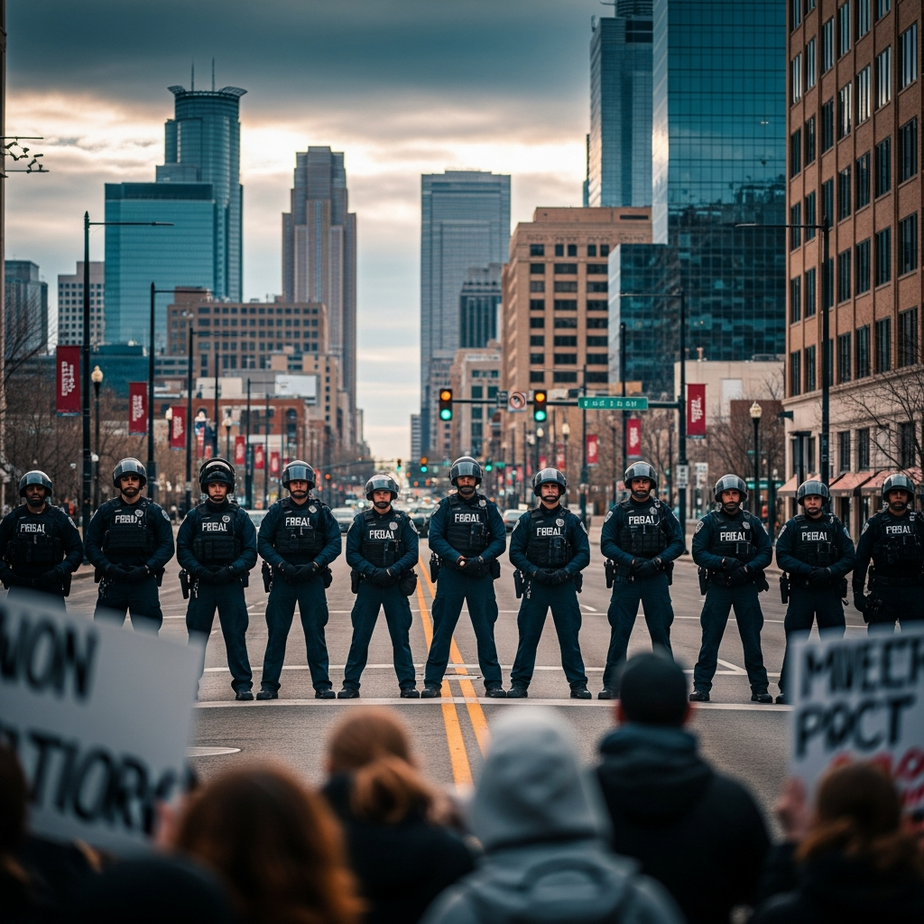
A palpable tension has settled over the Twin Cities, a chill that has little to do with the biting January air. In a move that has sent ripples of concern through communities across Minnesota, the Department of Homeland Security has confirmed a significant deployment of additional federal agents to the region. This influx, primarily composed of Immigration and Customs Enforcement (ICE) personnel, has been framed by Washington as a necessary step for public safety. However, for many residents, the sudden arrival of these specialized teams feels less like a protective measure and more like the opening chapter of an unsettling new reality. The questions are mounting: Why here, and why now? Understanding the context behind this surge is the first step in navigating the complex challenges it presents to our neighborhoods, our families, and our fundamental sense of security.
What’s Driving the Sudden Influx of Federal Agents?
Official statements from the Department of Homeland Security point to a targeted enforcement initiative aimed at combating transnational criminal organizations and apprehending individuals with outstanding deportation orders. The administration has cited a need to uphold federal immigration laws in jurisdictions they claim have been uncooperative. This move is being presented as part of a broader national strategy to enhance interior enforcement, with Minneapolis and St. Paul being identified as key areas of focus.
However, critics and local officials suggest the motivations are more political than practical. They argue that this deployment is a direct response to Minnesota’s so-called “sanctuary” policies, which generally limit the cooperation of local law enforcement with federal immigration authorities. By flooding the area with federal agents, the administration can effectively bypass local directives and pursue its own enforcement agenda. This creates a contentious dynamic where federal objectives clash directly with the stated priorities and values of local governance, leaving residents caught in the middle of a high-stakes political standoff.
A Closer Look at ICE Operations and Community Impact
The term “surge” can sound abstract, but its real-world consequences are immediate and deeply personal. An increased presence of ICE agents translates directly to a higher likelihood of raids on homes and workplaces, traffic stops that escalate into immigration checks, and a general climate of fear, particularly within immigrant communities. For families with mixed immigration statuses, the simple act of going to work or dropping children off at school is now fraught with a new level of anxiety. This fear can have a chilling effect on community life, discouraging people from reporting crimes, seeking medical care, or engaging with public services for fear of attracting attention.
Community advocacy groups are already mobilizing to document enforcement activities and provide support. They report a sharp increase in calls to emergency hotlines from residents witnessing arrests or seeking legal help. The impact extends beyond the undocumented community; small business owners worry about losing valued employees, and local economies can suffer when a significant portion of the workforce is driven into the shadows. The very fabric of trust between law enforcement and the communities they serve is at risk of fraying, as the line between local policing and federal immigration enforcement becomes dangerously blurred.
Minnesota’s Response: Pushback from State and Local Leaders
The deployment has been met with swift and unified condemnation from Minnesota’s state and local leadership. Governor Tim Walz and Minneapolis Mayor Jacob Frey have both issued strong statements denouncing the move as an intimidating overreach of federal power. They argue that public safety is best handled by local authorities who understand the unique needs and dynamics of their communities, and that introducing a wave of federal agents without local consultation undermines established relationships and trust.
Beyond public statements, officials are exploring legal and legislative avenues to challenge the federal government’s actions. Conversations are underway about how to reinforce and legally protect the state’s existing policies on non-cooperation with federal immigration agents. This pushback highlights a fundamental constitutional debate over states’ rights and the limits of federal authority. Minnesota is quickly becoming a key battleground in this national conversation, with local leaders determined to defend their jurisdiction and protect their residents from what they see as politically motivated enforcement actions that threaten the well-being of the entire community.
Understanding Your Rights Amid Increased ICE Activity
In this heightened enforcement environment, knowledge is the most critical tool for self-protection. It is essential for every resident, regardless of immigration status, to understand their constitutional rights. Federal agents cannot operate without limits, and you have protections under the law. According to legal experts and civil rights organizations like the ACLU, there are several key things to remember if you are confronted by an ICE agent.
Arming yourself with this information can make a significant difference in the outcome of an encounter. Here are some fundamental rights you should know:
– You have the right to remain silent. You do not have to answer questions about your immigration status, where you were born, or how you entered the country.
– Do not open your door unless an agent shows you a warrant signed by a judge. An administrative warrant for removal is not enough to force entry into your home; it must be a judicial warrant that specifies the address and the individuals to be searched or seized.
– If an agent is at your door, ask them to slip the warrant under the door or hold it up to a window. Check it carefully for the judge’s signature and the correct details.
– You have the right to speak with a lawyer. If you are detained, state clearly that you wish to exercise your right to speak with an attorney. Do not sign any documents without legal counsel.
– Never lie or present false documents. This can create much more significant legal problems. Exercising your right to remain silent is not the same as providing false information.
The Broader National Context and What It Means for Policy
The situation unfolding in Minnesota is not an isolated incident. Rather, it is a clear reflection of a broader, more aggressive national immigration enforcement strategy. For several years, the administration has shown a willingness to use the full power of federal agencies to compel compliance from cities and states that have adopted more welcoming immigration policies. This approach often involves high-profile operations designed to generate media attention and serve as a warning to other jurisdictions considering similar policies.
This tactic raises profound questions about the future of federal-state relations and the direction of immigration policy in the United States. When enforcement becomes a tool for political pressure, it can erode the cooperative framework that is essential for effective governance. The long-term consequences could include a deepening of political polarization, a breakdown of trust between communities and law enforcement at all levels, and a humanitarian crisis for families torn apart by these aggressive tactics. What is happening in Minnesota today could very well be a preview of what is to come for other communities across the country.
As the days and weeks unfold, the full impact of this federal surge will become clearer. For now, community solidarity and access to accurate information are paramount. The challenges are significant, but the resolve of Minnesotans to protect their neighbors and uphold their values is being tested and proven in real time. Staying informed, understanding your rights, and supporting the organizations on the front lines are the most powerful actions we can take. We encourage you to share this information widely and to connect with local advocacy groups to learn more about how you can help support your community during this critical time.