Why Honda’s Entry into the Electric Motorcycle Market Matters
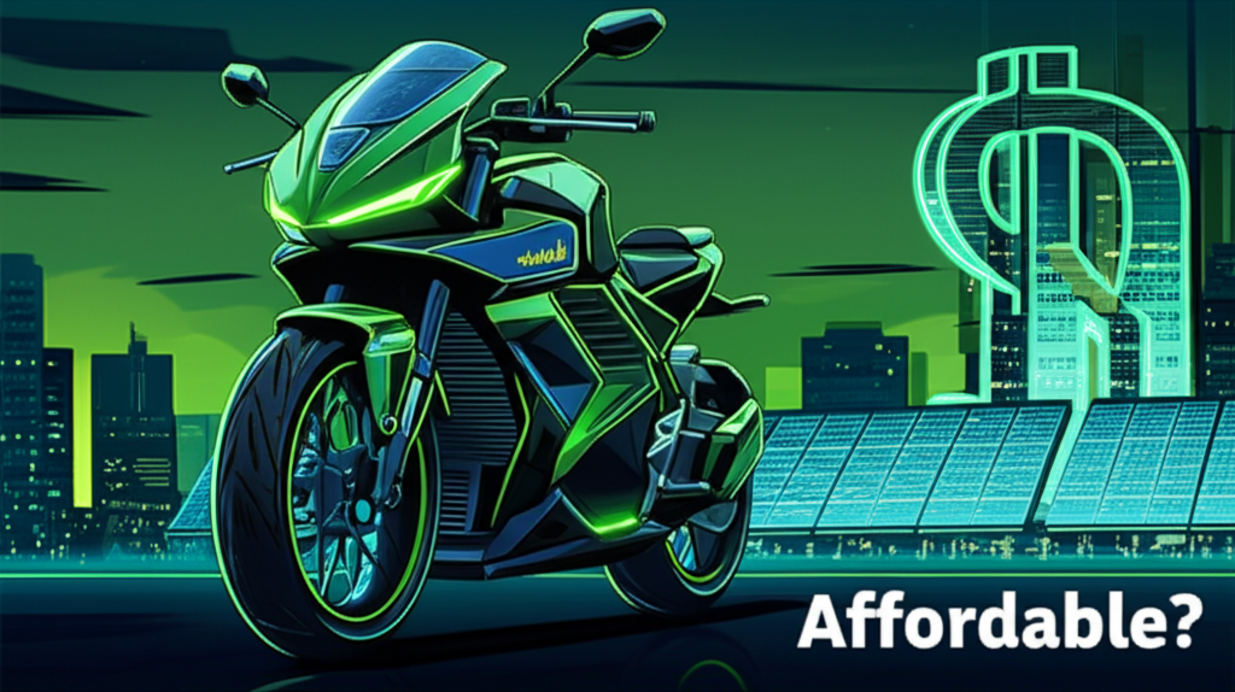
When Honda announced its plans for the WN7, the industry buzzed with a mix of excitement and skepticism. A legendary name in two‑wheel engineering, Honda is now stepping into the rapidly expanding electric motorcycle arena, a sector that’s attracting enthusiasts, eco‑conscious commuters, and investors alike. The question that keeps resurfacing: can Honda deliver a truly competitive electric motorcycle without breaking the bank?
The WN7: Design, Performance, and Technology
The WN7 is not just a marketing buzzword; it’s a carefully engineered machine that blends Honda’s renowned craftsmanship with cutting‑edge electric drivetrain technology. Below are the key features that set it apart:
1. Sleek, Futuristic Aesthetics
From its aerodynamic bodywork to the integrated LED lighting, the WN7 exudes a modern, sporty look. Honda has kept the classic silhouette of its traditional bikes while infusing a contemporary edge that appeals to both veterans and newcomers.
2. Power Delivery & Battery Pack
Equipped with a 5.5‑kWh lithium‑ion battery, the WN7 delivers a maximum power output of 25 kW, offering a respectable 0‑60 mph acceleration in about 4.2 seconds. The motor’s instant torque translates to a lively, responsive ride that’s especially noticeable in city traffic.
3. Intelligent Connectivity
Honda’s “Smart Connect” platform allows riders to pair the motorcycle with their smartphones, providing real‑time telemetry, route planning, and even firmware updates over the air. The integrated dash displays battery status, speed, and a host of safety alerts.
4. Advanced Safety Features
With regenerative braking, traction control, and a forward‑collision warning system, the WN7 prioritizes rider safety. Honda has also introduced a “Smart Brake” system that modulates braking force based on road conditions.
Pricing Strategy: Balancing Innovation and Affordability
While the WN7’s features are undeniably impressive, the most contentious aspect remains its projected retail price. Honda’s official estimates place the motorcycle at roughly $12,000 to $14,000, depending on trim levels and optional accessories. In a market where competitors like Zero Motorcycles and Energica offer models in the $9,000–$15,000 range, the WN7’s pricing strategy could be a double‑edged sword.
Comparing the Numbers
Zero Motorcycles’ SR/S, a comparable electric sport bike, sits around $9,300. Energica’s Ego, a high‑performance flagship, is priced near $15,500. The Honda WN7 positions itself in the mid‑tier, attempting to capture the sweet spot between premium performance and mainstream appeal.
What Drives Honda’s Higher Price Point?
- Brand Heritage: Honda’s name carries weight; the cost reflects the assurance of reliability and service.
- R&D Investment: The WN7 incorporates advanced battery management and regenerative braking systems that required significant R&D spending.
- Manufacturing Scale: Honda’s global supply chain, while efficient, often adds a premium to newer, specialized product lines.
Will the WN7 Be Affordable for the Average Rider?
Affordability isn’t just about sticker price; it’s about the total cost of ownership (TCO) over time. Let’s examine the factors that could tilt the balance in Honda’s favor.
1. Lower Operating Costs
Electric motorcycles boast significantly lower fueling and maintenance costs compared to internal combustion engines. With the WN7’s battery capable of up to 70 miles per charge, riders can save on both electricity and routine maintenance—no oil changes, fewer moving parts, and reduced brake wear due to regenerative braking.
2. Government Incentives
In many regions, the government offers tax rebates, HOV lane access, and reduced registration fees for electric vehicles. Depending on the rider’s location, these incentives could shave 10–20% off the effective purchase price.
3. Resale Value
Honda’s strong resale market and the increasing demand for electric bikes suggest that the WN7 could hold its value well. Buyers should factor in potential resale gains when assessing affordability.
Competition: Who’s Setting the Benchmark?
Honda’s entry isn’t happening in isolation. The electric motorcycle segment has several key players, each with unique strengths.
Zero Motorcycles – The American Pioneer
Zero has been a stalwart in the U.S. market, offering a range of models from commuter to sport. Their emphasis on range and modular battery packs makes them a formidable competitor.
Energica – The Italian Performance Brand
Energica’s high‑end models are known for their aggressive styling and performance, but they come with a premium price tag. Their focus on performance could appeal to riders who prioritize speed over cost.
Harley‑Davidson’s LiveWire – The Iconic Transition
Harley’s LiveWire marks a bold shift for the iconic American brand. While the price is steep, the LiveWire’s brand equity and touring capabilities set it apart.
Potential Upside: Honda’s Global Reach and After‑Sales Network
One of Honda’s biggest strengths lies in its worldwide dealer network and proven after‑sales support. Electric motorcycles demand specialized maintenance, and having a robust service infrastructure can significantly improve the ownership experience. Riders who value ease of maintenance and readily available parts may find the WN7 a compelling choice.
Challenges Ahead: Battery Longevity and Charging Infrastructure
Despite Honda’s engineering prowess, two challenges loom large:
- Battery Degradation: Over time, the battery’s capacity will decline. Honda’s warranty terms and battery replacement costs will be critical in determining long‑term value.
- Charging Networks: While fast‑charging options are expanding, the scarcity of public charging stations in certain regions may deter potential buyers who rely on long‑distance travel.
Conclusion: A Balanced Verdict
Honda’s WN7 represents a bold and necessary step into the future of two‑wheel transportation. Its blend of performance, technology, and brand reliability positions it well against established competitors. However, the projected price range may limit its appeal among price‑sensitive segments of the market.
If you’re a tech enthusiast or a rider who values brand heritage, the WN7’s features and Honda’s extensive support network may justify the higher initial outlay. For those on a tighter budget, waiting for a price reduction, a future model iteration, or a government incentive might be the better path.
Ultimately, Honda’s first electric motorcycle is a promising contender that will reshape the conversation around electric mobility in the motorcycle space. Whether it’s cheap enough will depend not only on the sticker price but also on the broader ecosystem of incentives, after‑sales service, and evolving consumer expectations.