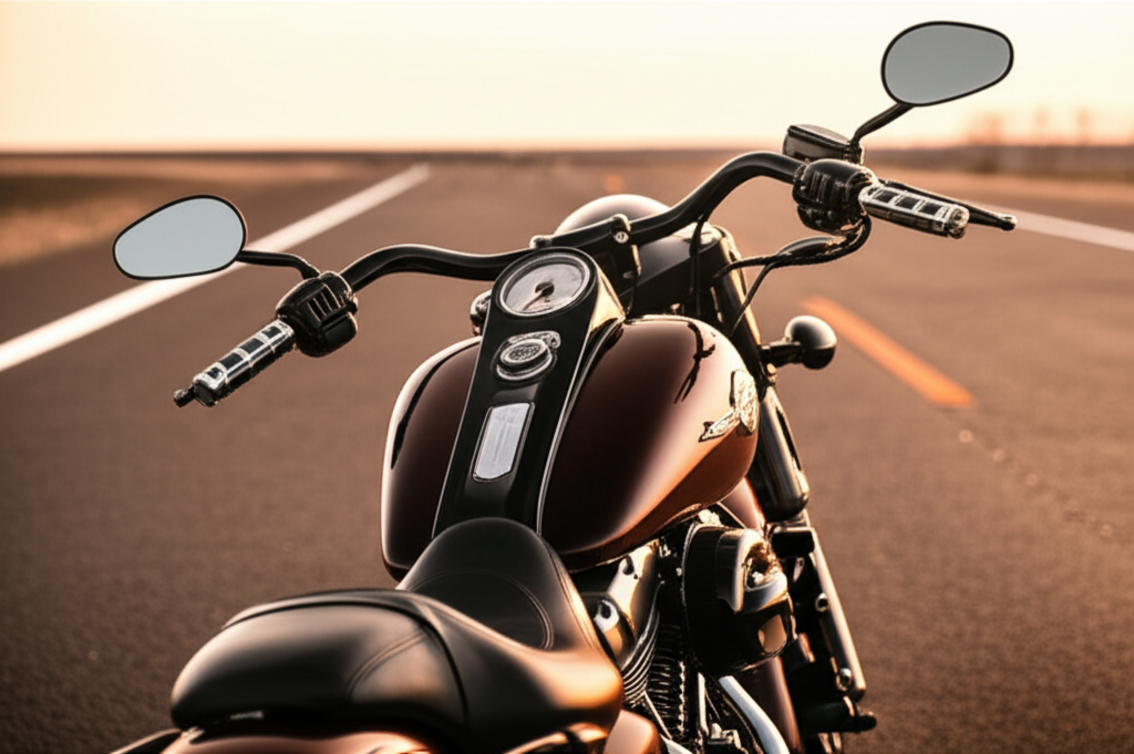
When it comes to cruising down open highways, a cruiser motorcycle feels like an extension of the rider’s personality—smooth, relaxed, and built for the long haul. Because these machines are engineered for comfort and low‑maintenance riding rather than aggressive acceleration or racing, their “high‑mileage” threshold often feels different from that of sportbikes or touring bikes. If you’ve ever wondered when a cruiser’s odometer starts to raise eyebrows or how many miles a classic Harley‑Davidson, Yamaha V‑Star, or Triumph Bonneville can comfortably log, you’re in the right place. Below, we break down what counts as high mileage for a cruiser, how the design impacts lifespan, and practical tips for keeping your bike in prime condition even after the thousand‑mile mark.
Understanding Cruiser Philosophy: The Low‑Stress Engine
Unlike high‑performance sportbikes that push engines to their limits, cruiser motorcycles typically feature larger displacement engines that run at lower RPMs. The result is a torque‑heavy, low‑revving power band that delivers effortless throttle response and a mellow exhaust note. This low‑stress riding style translates to:
- Reduced engine wear because pistons travel a shorter distance per revolution.
- Less heat generated during idle and low‑speed operation.
- Lower fuel consumption and fewer abrupt throttle jumps.
In practice, these attributes mean that a cruiser can often sustain higher mileage before the first major component replacement, compared to its sportbike counterparts. However, the “high‑mileage” threshold isn’t a one‑size‑fits‑all figure—it depends on build quality, maintenance, and riding habits.
Defining “High Mileage” for a Cruiser
Industry insiders and long‑time riders typically consider a cruiser “high mileage” when it crosses the 10,000‑15,000‑mile range. At this stage, certain components naturally start to show signs of wear, even on well‑maintained bikes. Below are common milestones and what they imply:
| Odometer Milestone | Potential Wear Points | Recommended Action |
|---|---|---|
| 5,000–8,000 miles | Oil change, basic inspection, initial valve clearance check (if applicable). | Routine maintenance, replace worn spark plugs, clean throttle body. |
| 10,000–12,000 miles | Engine oil filter, air filter, brake pads, and clutch plates. | Full oil change cycle, inspect cylinder walls and piston rings if engine shows roughness. |
| 15,000+ miles | Valve clearance (if applicable), camshaft wear, and potential compression drop. | Comprehensive mechanical inspection, consider valve adjustment or replacement. |
| 20,000+ miles (rare but possible) | Major engine overhaul, transmission wear, and frame fatigue. | Assess for engine rebuild or replacement, inspect frame integrity. |
It’s worth noting that many cruiser models—especially those from manufacturers like Harley‑Davidson, Yamaha, and Triumph—have proven longevity with proper care. For instance, a well‑maintained 1974 Harley “Crosby” can easily surpass 25,000 miles and still perform like new.
Factors Influencing Mileage Longevity
While the cruiser’s design favors endurance, a few external elements can accelerate wear:
- Riding Environment: Frequent exposure to dust, road salt, or heavy rain can corrode components faster. A bike that’s mostly ridden on paved roads in a dry climate will outlast one that’s constantly battling grit.
- Throttle Discipline: Aggressive, “spike” riding—common in street racing scenes—can spike engine temperatures and wear piston rings. Cruisers thrive when the rider maintains steady throttle, allowing the engine to operate in its sweet spot.
- Maintenance Cadence: Skipping regular oil changes, air filter cleanings, or fluid flushes can lead to sludge buildup, which ultimately compromises compression and longevity.
- Component Quality: OEM parts often outlast aftermarket upgrades. While aftermarket parts can enhance performance, they sometimes don’t match the durability of factory components, especially in high‑mileage scenarios.
- Storage and Care: Keeping a cruiser in a climate‑controlled garage reduces rust formation and seals wear. Conversely, storing a bike outdoors in harsh weather can accelerate frame and body corrosion.
Engine Life vs. Frame Life
One common misconception is that the engine will always outlast the frame. In reality, the frame can sometimes be the limiting factor, especially in older cruiser models that were built on steel frames with riveted joints. Steel frames can develop fatigue cracks under repeated stress. Modern cruisers, such as those built on aluminum or carbon‑fiber composites, fare better, but the principle remains: a frame’s structural integrity can degrade long before the engine reaches 20,000 miles.
Maintenance Checklist for High‑Mileage Cruisers
Keeping a high‑mileage cruiser running smoothly involves a disciplined approach to maintenance. Below is a practical checklist that covers key aspects of care:
- Oil & Filter: Change the oil and filter every 2,000–3,000 miles for high‑octane or synthetic oils.
- Air Filter: Clean or replace the air filter every 3,000–5,000 miles.
- Spark Plugs: Inspect spark plugs every 5,000 miles, replacing them if the gap is out of spec.
- Brake Pads & Rotors: Check pads for wear; replace when less than 1/8” thick.
- Clutch Plates: Inspect for wear; replace if the clutch feels spongy or shows visible fraying.
- Valve Clearance: For models with manual valve adjustments, check clearance every 5,000 miles.
- Compression Test: Run a compression test annually; a drop of 10% or more in any cylinder signals impending issues.
- Frame Inspection: Look for signs of rust, cracks, or loose bolts. Tighten bolts to the manufacturer’s torque specs.
- Tire & Wheel Health: Inspect tread depth and wheel alignment, especially after high mileage.
- Battery & Electrical System: Check electrolyte levels (if non‑sealed battery) and ensure all lights and gauges function correctly.
Following this routine will help you catch small problems before they evolve into expensive repairs, thereby extending the overall life of your cruiser.
Real‑World Success Stories
There’s plenty of anecdotal evidence that cruisers can thrive long past the “high mileage” mark. Take, for example, a 1998 Yamaha V‑Star that has accumulated 38,000 miles. With regular oil changes and a mid‑life engine rebuild at 25,000 miles, the bike now runs like a new machine and even boasts a 12‑speed transmission that remains responsive. Another classic, a 1970s Triumph Bonneville, was restored after 23,000 miles and has since ridden over 30,000 miles without major mechanical issues.
These stories reinforce the idea that cruiser longevity hinges more on maintenance and riding style than on any fixed mileage limit. The larger, low‑rev engines truly allow a cruiser to keep on pedaling even as the odometer climbs.
Final Thoughts: What’s the Bottom Line?
While there isn’t a universally agreed-upon mileage that declares a cruiser “overdue for retirement,” most experts place the high‑mileage threshold between 10,000 and 15,000 miles for most cruiser models. Beyond that, diligent maintenance and a gentle riding philosophy become essential to keep the bike’s heart beating strong. If you’re planning to keep your cruiser on the road for the long haul, remember these key takeaways:
- Stick to a strict maintenance schedule—don’t skip oil changes or air filter cleanings.
- Ride the bike gently; let the engine work in its optimal torque range.
- Monitor wear points like valve clearance, clutch plates, and frame integrity.
- Invest in quality OEM parts to maintain reliability.
- Store the bike in a protected environment to minimize corrosion.
By treating your cruiser with the respect it deserves, you’ll not only preserve its mechanical integrity but also ensure that the open road continues to be a source of joy long after the numbers on the odometer have climbed. Happy cruising!