Understanding the “Underpowered” Perception of Harley‑Davidson Engines
When people compare Harley‑Davidson motorcycles to sportbikes, they often say the engines are “underpowered.” However, this comparison focuses mainly on horsepower numbers, which can be misleading.
Harley‑Davidson engines deliver strong low‑end torque and a distinct riding feel. Consequently, this article explains why the engines are engineered that way and how they fit the brand’s identity.
The Harley‑Davidson Legacy: Torque Over Horsepower
Since its founding, Harley‑Davidson has focused on low‑RPM power delivery. Early V‑twins were built for reliability and the ability to haul sidecars or touring gear, rather than high‑speed racing. As a result, this emphasis on robust, tractable torque has carried through to modern models.
The Philosophy of Low‑End Grunt
The term “low‑end grunt” describes the engine’s power from idle to the lower RPM range. This torque is essential for quick starts, steady cruising, and maintaining speed without frequent downshifting.
Horsepower Versus Torque: A Fundamental Distinction
Horsepower and torque measure different aspects of engine performance. Torque is the rotational force that moves the bike, while horsepower indicates how quickly that force can be produced. Sportbikes peak in horsepower at high RPMs, whereas Harley‑Davidson engines peak in torque at lower RPMs.
What is Torque?
Torque is the twisting force that moves a vehicle from a standstill and keeps it moving. High torque delivers strong pulling power, good hill‑climbing ability, and responsive acceleration at low speeds.
What is Horsepower?
Horsepower measures how quickly an engine can deliver torque. It is calculated from torque and RPM. A high‑horsepower engine sustains high speeds and produces rapid bursts of acceleration, usually at higher RPMs.
Engineering for the Harley‑Davidson Experience
Harley‑Davidson’s design choices deliberately maximize low‑end torque. Consequently, each engine component is tuned to emphasize low‑RPM performance.
Long Stroke and Heavy Flywheels
Long‑stroke cylinders increase the lever arm on the crankshaft, boosting torque at lower speeds. Heavy flywheels smooth power pulses, enabling the engine to maintain momentum and “chug” comfortably at idle and low RPMs.
The V‑Twin Configuration and Sound
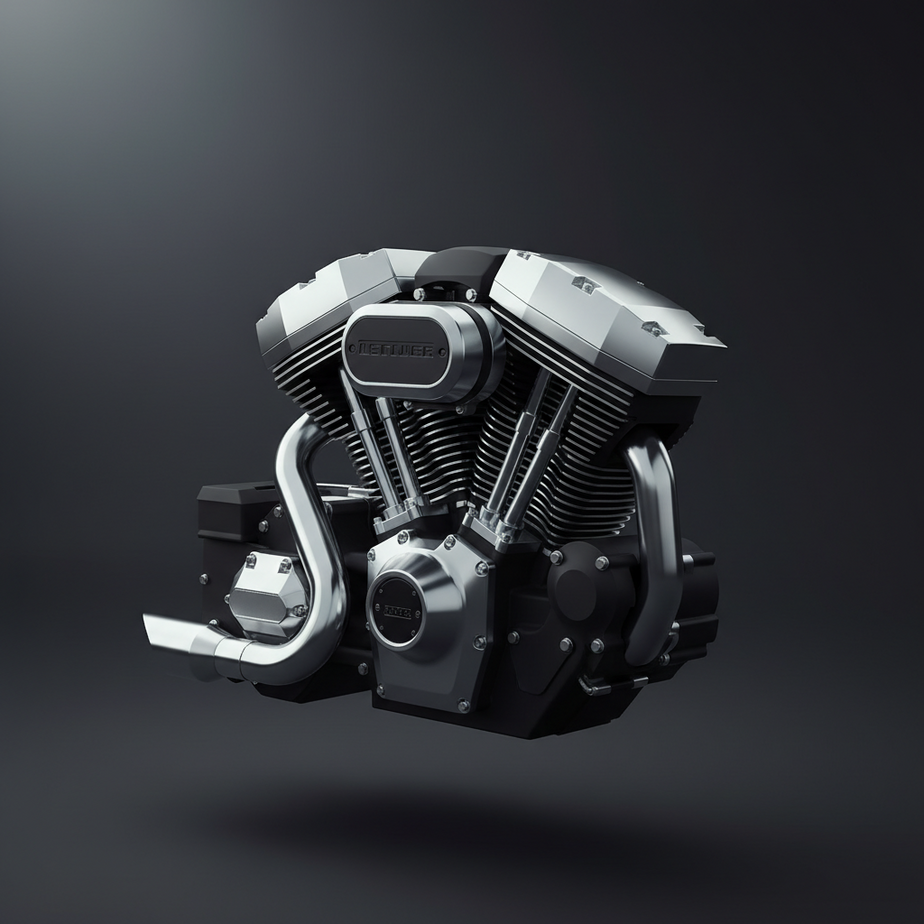
Harley’s 45‑degree V‑twin with a single crankpin produces a distinctive firing order. The resulting “potato‑potato‑potato” exhaust note and idle vibration are integral to the brand’s sensory experience.
The Riding Experience: Why Torque Matters
Low‑end torque translates to a practical riding experience. It enables effortless cruising and responsive starts.
- Effortless cruising: High torque lets riders stay in a higher gear at highway speeds, reducing gear changes.
- Strong acceleration: Immediate torque provides responsive starts from a stop.
- Distinctive rumble: The engine’s sound and vibration create a visceral connection.
- Controlled power: Predictable power delivery offers confidence, especially on long rides.
Overall, Harley‑Davidson engines are designed to pull with authority rather than to sprint.
Who Are Harley‑Davidson Motorcycles Designed For?
Harley‑Davidson appeals to riders who value comfort, style, and community. These riders often prioritize comfort, style, and community.
- Comfort and stability for long‑distance touring
- Classic aesthetics, sound, and history
- A sense of community and shared passion
- Customizability, with a robust platform for aftermarket modifications
The engine’s character is a core part of the experience offered to this audience.
Evolution and Modern Harley Engines
While the core philosophy remains, Harley‑Davidson has introduced newer engines. The Milwaukee‑Eight adds more displacement, four valves per cylinder, and improved cooling, enhancing power and efficiency while preserving low‑end torque.
The Revolution Max, a liquid‑cooled DOHC engine, offers higher horsepower and a broader powerband for riders seeking a different experience. These models coexist with the traditional V‑twins, allowing customers to choose the style that best suits them.
Dispelling Misconceptions: “Underpowered” Is Relative
Harley‑Davidson engines may not have the highest horsepower‑to‑weight ratio, yet they deliver ample torque for everyday use. The power is accessible at lower RPMs, offering strength and control without high‑rev performance. This trade‑off aligns with Harley‑Davidson’s focus on a distinctive, torque‑rich riding experience.
The Enduring Appeal and Customization Culture
Harley‑Davidson’s torque‑focused engines provide an excellent foundation for aftermarket work. Riders enjoy tweaking sound, performance, and aesthetics to reflect personal style.
- Enhanced exhaust sound
- Performance tuning for better torque and power delivery
- Aesthetic upgrades such as chrome accents or custom paint
These modifications celebrate the engine’s unique characteristics while allowing personal expression.
Maintenance and Longevity
Harley‑Davidson’s design contributes to durability. Lower operating RPMs and robust construction reduce stress on internal components, leading to a long service life with proper care. Many owners view their bikes as long‑term investments and maintain them meticulously.
Conclusion: Power with Purpose
Labeling Harley‑Davidson engines as “underpowered” ignores the company’s deliberate design choices. The focus on low‑end torque, iconic V‑twin architecture, and sensory experience define the brand. Consequently, these engines are perfectly suited for cruising, touring, and forging a deep rider‑machine connection.
FAQ
Are Harley‑Davidson motorcycles actually slow?
No. While they may not match a sportbike’s top speed or peak acceleration, Harley‑Davidson’s low‑end torque delivers strong starts and sufficient power for highway cruising and overtaking.
Why don’t Harley‑Davidson engines produce more horsepower?
Increasing peak horsepower would require higher RPMs and different engine characteristics, altering the classic feel—sound, vibration, and low‑end pull—that Harley riders value. Therefore, the company prioritizes torque for traditional models while offering higher‑horsepower options in select lines.
What is the main advantage of a torque‑focused engine?
The main advantage is immediate pulling power at low engine speeds. This delivers strong acceleration from a standstill, smooth cruising, and the ability to carry additional weight without frequent gear changes.
Have modern Harley‑Davidson engines changed this philosophy?
Core models continue to emphasize torque, especially with the Milwaukee‑Eight. Newer engines like the Revolution Max broaden performance options, yet they do not replace the classic torque‑centric philosophy in the primary cruiser lineup.