What Exactly Are Glazed Brake Pads? A Closer Look at the Problem
Your vehicle’s braking system is a masterpiece of friction and heat management. Every time you press the brake pedal, you’re commanding brake pads to clamp down on spinning metal discs called rotors. This friction converts your car’s kinetic energy into thermal energy—or heat—slowing you down safely. But what happens when that heat becomes too much to handle? This is where you might encounter an issue where your brake pads are glazed.
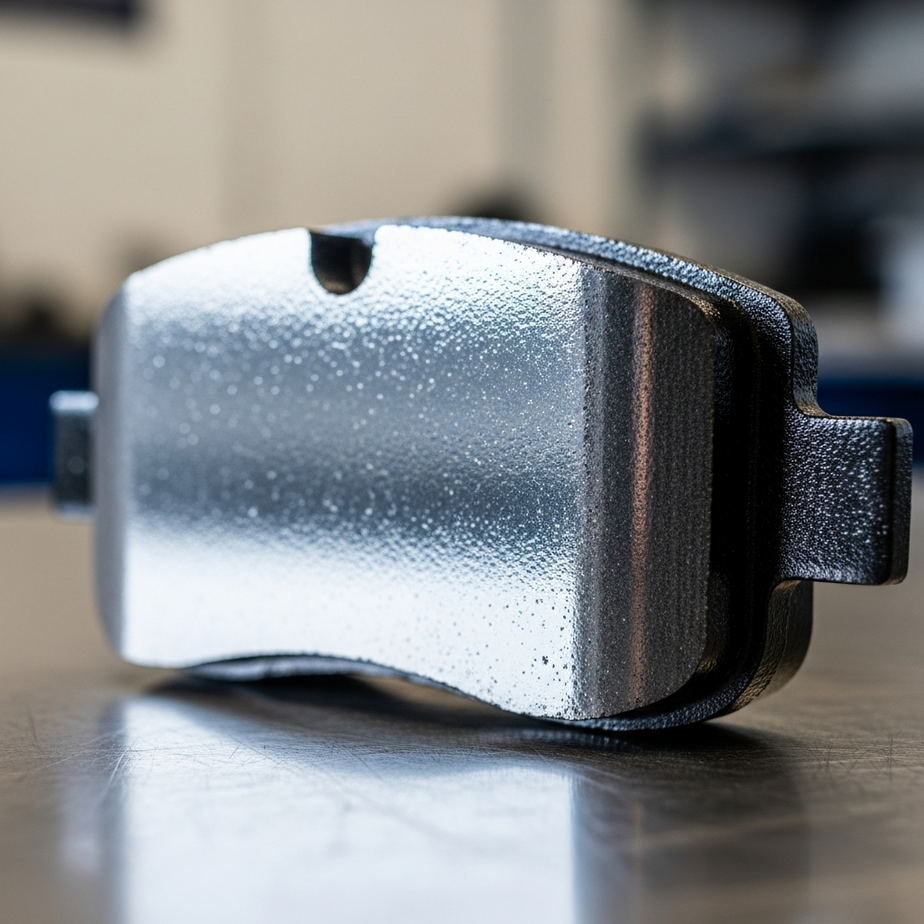
Brake pad glazing occurs when the friction material on the pad is subjected to temperatures beyond its operational limits. This intense heat causes the resin compounds within the pad material to melt, crystallize, and form an incredibly hard, smooth, and glossy surface. Instead of a gritty, friction-generating texture, the pad essentially develops a glass-like shell.
This hardened surface is the enemy of effective braking. Since friction is drastically reduced, the pad can no longer grip the rotor effectively. Think of it like trying to stop on a patch of ice versus dry asphalt. The necessary “bite” is gone, compromising your vehicle’s ability to slow down efficiently and safely. This condition can develop even on pads that have plenty of material left, making it a deceptive and dangerous problem.
Common Causes of Brake Pad Glazing
Understanding why brake pads become glazed is the first step toward preventing it. The issue almost always boils down to one primary culprit: excessive, sustained heat.
Aggressive Driving and Heavy Braking
Consistently making hard, last-minute stops generates massive spikes in temperature. While modern brakes are designed to handle occasional emergency braking, frequent aggressive driving habits can overwhelm the system, cooking the pads and leading to glazing. City driving with constant stop-and-go traffic can also contribute to this heat buildup over time.
Riding the Brakes
This is a common habit where a driver rests their foot lightly on the brake pedal, even when not actively trying to slow down. This slight, constant pressure causes the pads to drag against the rotors, creating continuous friction and heat without giving the system a chance to cool. Driving down long, steep hills without using engine braking is a prime example of a scenario that can quickly lead to glazed brake pads.
Improper Bedding-In of New Brakes
When new brake pads and rotors are installed, they need to go through a “bedding-in” or break-in process. This involves a series of controlled stops to evenly transfer a layer of friction material from the pads to the rotors. Skipping this crucial step can cause uneven heating and hot spots, leading to premature glazing and reduced performance right from the start.
Mechanical Faults
Sometimes, the problem isn’t your driving but a mechanical issue. A sticking brake caliper, for instance, fails to release its pressure on the brake pad after you’ve taken your foot off the pedal. This forces the pad to drag constantly on the rotor, generating relentless heat that will inevitably cause glazing.
The Telltale Signs: How to Tell If Your Brake Pads Are Glazed
Diagnosing glazed brake pads involves paying close attention to what your car is telling you through sound, feel, and sight. Since the symptoms can sometimes mimic other brake issues, understanding these specific clues is essential for an accurate assessment.
Auditory Clues: What You Might Hear
Your ears are often the first line of defense in detecting brake problems. When brake pads are glazed, the sounds they make are distinct from other common brake noises.
A persistent, high-pitched squeal or screech during braking is a classic symptom. This isn’t the same as the scraping sound from a brake pad wear indicator, which warns you that the pads are thin. Instead, this is the sound of the hardened, polished pad surface vibrating against the metal rotor. The noise is often most noticeable during light to moderate braking and may disappear during very hard stops.
Physical Sensations: What You Might Feel
The most alarming symptom of glazed brake pads is a noticeable decrease in braking performance. You might feel like you have to press the brake pedal much harder or further to get the same stopping response you’re used to. This reduction in stopping power can be subtle at first but becomes more pronounced over time, posing a significant safety risk.
You may also experience “brake fade.” This occurs during periods of repeated braking, like navigating a winding downhill road. The brakes work fine initially, but as they heat up, the pedal feels softer or “spongy,” and the car takes significantly longer to slow down. This is a direct result of the glazed surface losing its ability to create friction as temperatures rise.
Finally, while vibrations or pulsations felt through the brake pedal or steering wheel are most often caused by warped rotors, severely glazed pads can sometimes contribute to this sensation by creating an uneven interaction with the rotor surface.
Visual Inspection: What to Look For
A visual check is the most definitive way to confirm if your brake pads are glazed. This requires safely jacking up your vehicle, securing it with jack stands, and removing a wheel to get a clear view of the brake caliper and pads.
Once you can see the pad, use a flashlight to examine its surface. A healthy brake pad has a dull, slightly rough texture. In contrast, a glazed brake pad will have a distinctly shiny, smooth, and glass-like surface. It may look almost like polished stone or dark, reflective glass. This slick surface is the crystallized material that is causing your braking problems. While you’re there, also inspect the brake rotor for any signs of heat damage, such as dark blue or purple spots, which often accompany glazed pads.
Glazed vs. Worn Out: Understanding the Key Differences
It’s a common point of confusion for vehicle owners: are my brakes glazed, or are they simply worn out? While both are serious issues that require attention, they are fundamentally different problems. A brake pad can be almost brand new in terms of thickness but still be completely ineffective due to glazing.
Worn-out brake pads have physically exhausted their friction material. The primary symptom is the audible warning from the built-in wear indicator—a small metal tab that contacts the rotor and creates a loud, high-pitched squeal when the pads are low. If ignored, this progresses to a harsh, grinding metal-on-metal sound as the pad’s steel backing plate scrapes against the rotor, causing severe damage. Visually, a worn pad will have very little friction material left before it reaches the backing plate.
On the other hand, a situation where brake pads are glazed is a problem of surface condition, not material depth. Glazed pads can have 90% of their life left but fail to perform because the surface has been heat-hardened. The key differentiators are the shiny, glass-like visual appearance and the primary symptom of reduced stopping power (brake fade) rather than the wear indicator noise. Recognizing this difference is crucial for a correct diagnosis and repair.
Can You Fix Glazed Brake Pads, or Do They Need Replacing?
Once you’ve determined your brake pads are glazed, the next logical question is what to do about it. The answer depends on your priority: a quick, temporary fix or a safe, long-term solution.
The DIY “Fix”: Sanding the Glaze Off
Some DIY mechanics advocate for “de-glazing” the pads. This process involves removing the brake pads from the caliper and using medium-grit sandpaper or a file to scuff the surface. The goal is to sand away the hard, crystalline layer and expose the fresh, effective friction material underneath.
While this can restore some braking performance in the short term, it’s often a temporary band-aid. The sanding process doesn’t address the root cause of the excessive heat that led to the glazing in the first place. If the underlying issue—be it a sticking caliper or an aggressive driving style—isn’t corrected, the pads will likely glaze over again very quickly.
The Professional Recommendation: Replacement and Diagnosis
For safety and peace of mind, replacing the glazed pads is the universally recommended solution. New brake pads are a relatively low-cost component, and replacement guarantees that you have a fresh, perfectly formulated surface ready for optimal performance.
More importantly, taking your vehicle to a qualified technician allows for a full diagnosis of the braking system. A professional will not only replace the pads but also inspect the rotors for heat damage, check for sticking calipers, and ensure all hardware is functioning correctly. As the National Highway Traffic Safety Administration (NHTSA) emphasizes, proper maintenance of your vehicle’s entire braking system is a critical safety matter. A mechanic can identify and fix the root cause, ensuring the problem doesn’t return and your vehicle is safe to drive. They will also ensure the new pads are properly bedded-in, setting them up for a long and effective service life.
Proactive Measures: How to Prevent Your Brake Pads from Glazing
The best way to deal with glazed brake pads is to prevent them from happening in the first place. By adopting better driving habits and investing in quality components, you can significantly extend the life and performance of your braking system.
Adjust Your Driving Habits
How you drive has the biggest impact on your brakes. Make a conscious effort to look far ahead in traffic to anticipate stops. This allows you to ease off the accelerator and coast, using the engine’s natural deceleration to slow the car down, reducing the reliance on heavy braking. Avoid tailgating, as it forces you to make more frequent and abrupt stops.
When driving down long, steep grades, use engine braking to control your speed. If you have an automatic transmission, shift into a lower gear (L, 2, or use the manual shift mode). This uses the engine’s resistance to keep your speed in check, giving your brakes a much-needed break from constant heat generation.
Invest in Quality Components
When it’s time for a brake job, don’t opt for the cheapest parts available. High-quality brake pads from reputable manufacturers are engineered with superior compounds that offer better heat dissipation and are more resistant to glazing. Whether you choose ceramic, semi-metallic, or premium organic pads, paying a little more upfront can save you from premature failure and enhance your safety.
Ensure Proper Installation and Break-In
If you’re a DIYer, ensure you follow all installation procedures correctly, including cleaning and lubricating caliper hardware. Most importantly, never skip the bedding-in process for new pads and rotors. This critical step mates the two surfaces and conditions them for high-heat situations. Follow the manufacturer’s specific procedure, which typically involves a series of moderate stops from different speeds, with cooling periods in between. This simple process is one of the most effective ways to prevent glazing.
Your brakes are the most important safety feature on your vehicle, and understanding their condition is vital. Glazing is a serious but preventable issue caused by excessive heat that compromises your ability to stop. By recognizing the telltale signs—a high-pitched squeal, reduced stopping power, and a visibly shiny pad surface—you can identify the problem before it becomes a critical danger.
While a temporary fix like sanding the pads exists, the safest and most reliable course of action is replacement. This ensures optimal performance and provides an opportunity for a technician to diagnose and correct the underlying cause of the heat buildup.
Don’t gamble with your safety. If you suspect your brake pads are glazed, have them inspected by a qualified technician immediately. A professional check-up can ensure your vehicle stops safely and reliably every time, giving you the confidence you need every time you get behind the wheel.