Meta’s latest venture into the realm of artificial intelligence has left many of us both intrigued and bemused. The company’s brand‑new Vibes feed is a carousel of AI‑generated video clips, delivered straight to your timeline with no discernible context or curation. In a world where algorithms already sift through data to tailor our experiences, Meta is now offering an unfiltered, random stream of machine‑made content. What does this mean for users, advertisers, and the broader social media ecosystem? Let’s unpack the implications of this bold—and oddly unasked for—experiment.
What Exactly Is Meta Vibes?
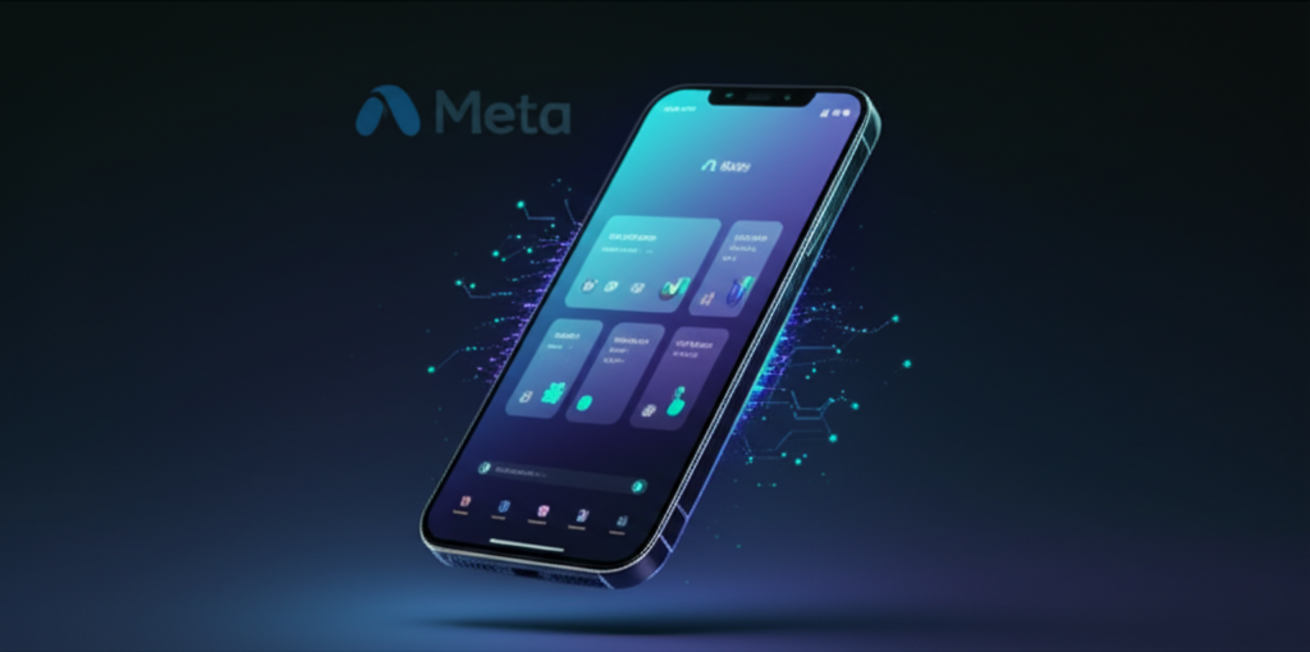
Meta Vibes is a new feature rolled out to a select group of users who can tap a fresh icon on their newsfeed. Once activated, the feed replaces the usual mix of friends’ posts, brand advertisements, and viral memes with short, AI‑generated clips. These videos are produced by the platform’s own machine learning models and range from surreal art installations to comedic skits, all stitched together automatically.
Unlike Meta’s traditional algorithmic recommendations—where data about your likes, shares, and comments determine what appears—you’ll be handed a stream of content that has no direct tie to your personal network or preferences. The feed is designed to be “surprising,” with each clip appearing for only a few seconds before the next one plays. There’s no option to “like” or “comment” on a clip, and no ability to share it beyond the platform’s internal ecosystem.
Why Meta Is Offering Random AI Video Clips
Meta has long touted its investments in generative AI as a way to “create new ways for people to connect and express themselves.” By injecting AI‑generated media directly into the user experience, the company is effectively testing a new content paradigm: what happens when a machine generates everything you see in your feed?
There are a few possible motivations behind Vibes:
- Data Collection: Even though the clips are random, each interaction—watch time, skipping, or pausing—provides Meta with granular data on user engagement patterns. This can inform future personalization algorithms.
- Creative Experimentation: Meta has a history of launching bold features (Stories, Reels, Live Rooms) to keep its platform at the cutting edge. Vibes is another playground to test AI’s creative capacities.
- Monetization: While current Vibes clips are free, the technology could eventually be used to deliver AI‑generated product demos, brand stories, or even paid content streams.
- Competitive Edge: With competitors like TikTok and YouTube already thriving on algorithm‑driven short videos, Meta is pushing the envelope to re‑establish relevance.
The User Experience: Delight or Annoyance?
From a first‑hand perspective, Vibes feels like a bizarre amusement park ride. There’s no narrative arc, no clear creator credit, and no sense of community. Users who are accustomed to meaningful engagement—likes, comments, and shares—are suddenly handed a passive, fleeting visual experience. While a few users may appreciate the novelty and entertainment value, the majority could find it irritating.
The lack of control is a major pain point. There’s no way to flag the feed, adjust the frequency of AI clips, or exclude them entirely. Meta’s “Try Vibes” button essentially forces users into an unsolicited content loop.
Privacy and Transparency Concerns
Meta’s AI engine pulls from a vast database of user data to generate clips. While the feed appears random, the underlying algorithms likely still utilize personal signals—such as your past video-watching habits or demographic information—to shape the content you receive. The absence of transparency about how these clips are produced raises several privacy questions:
- What personal data does Meta use to generate each clip?
- How long is the data retained?
- Are users able to opt out of the AI feed entirely?
Until Meta clarifies its data handling practices, skepticism among privacy advocates is bound to intensify.
Potential Monetization Models for AI‑Generated Video Feeds
Although Vibes is currently free, its underlying technology opens the door to a host of revenue streams:
- Sponsored AI Clips: Brands could commission or purchase AI‑generated videos that subtly integrate product placements.
- Subscription Models: Premium users may gain access to higher quality, longer, or more diverse AI content.
- Creator Tools: Meta could offer a suite of AI tools to creators, allowing them to produce low‑cost video content on demand.
- Data Licensing: Aggregated engagement data from Vibes could be sold to third‑party analytics firms, offering insights into new media consumption patterns.
Each model presents its own set of regulatory hurdles, especially around the use of copyrighted imagery and user data.
Community Feedback: A Mixed Bag
Early feedback on Vibes is polarized. Some users praise the novelty, calling it a “fun distraction” from the usual algorithmic echo chamber. Others view it as an unnecessary intrusion, labeling it “AI slop” and complaining about the lack of relevance.
Notable reactions include:
- “Meta is delivering content I never asked for, and I can’t turn it off.” – TikTok user @techno_dave
- “It feels like a test. I wish I could skip or stop the feed.” – Instagram influencer @creative_mia
- “If Meta can produce such quirky videos, imagine the potential for creative marketing.” – Marketing strategist Lila Chen
These voices illustrate the broader tension between innovation and user autonomy in social media design.
What Could Be the Future of AI Feeds?
While Meta Vibes is still in its infancy, the concept could evolve dramatically:
- Personalized AI Feeds: Instead of random clips, the feed could adapt to your mood, interests, and even time of day.
- Hybrid Human–AI Content: Creators could co‑produce AI clips with human editors, blending authenticity with generative flair.
- Interactive AI Stories: Users could influence the direction of a story by making choices, turning passive viewing into active participation.
These developments would bring Meta’s AI ambitions closer to the personalized, interactive experiences we see on emerging platforms.
Final Thoughts: Is Meta Making a Mistake?
Meta’s Vibes feed is undeniably ambitious, yet it raises critical questions about relevance, control, and privacy. While it demonstrates the platform’s commitment to exploring generative AI, the user experience remains a primary concern. If Meta can pivot from random to personalized—while maintaining transparency and user control—it could transform Vibes from a novelty into a staple of the future social media landscape.
For now, Meta is offering a glimpse into a potential new frontier: one where AI can produce endless, whimsical video content at the click of a button. The real test will be whether users embrace this randomness or demand a more tailored, respectful approach. Only time—and user feedback—will decide if Meta’s Vibes feed is a groundbreaking innovation or just another misguided experiment.