For years, the smartphone world has felt a bit like a party where one key guest has yet to arrive. We’ve seen incredible folding devices from Samsung, Google, and others, each pushing the boundaries of what a phone can be. Yet, many of us have been patiently waiting, wondering when Apple would make its grand entrance. Well, it seems the wait may finally be nearing its end. The latest iPhone rumors are swirling with more intensity than ever, suggesting that a foldable iPhone isn’t just a distant dream anymore, but an impending reality. And if the whispers are true, Apple isn’t just planning to join the party—it’s planning to redefine it entirely with a feature we’ve all been craving: a truly seamless, creaseless display.
The Foldable iPhone Dream Might Finally Be Happening
The idea of an iPhone that folds is nothing new. Apple has been filing patents related to folding technology for the better part of a decade, leaving tech enthusiasts to speculate wildly with each new illustration that surfaces. But patents don’t always translate into products. Apple is famous for its meticulous, patient approach to new categories. The company prefers to wait, watch the market evolve, learn from the growing pains of its competitors, and enter only when it knows it can deliver a polished, category-defining experience.
For foldables, those growing pains have been significant. Early models were plagued by durability concerns, software quirks, and of course, the infamous screen crease. That visible line running down the center of an otherwise beautiful display has been the Achilles’ heel of the foldable experience. It seems Apple has been biding its time, waiting for the underlying technology to mature enough to meet its notoriously high standards. Recent developments in ultra-thin glass and advanced hinge mechanisms now suggest that the time is right, fueling the latest iPhone rumors with credible substance.
A Crease-Free Future? What a New Display Could Mean
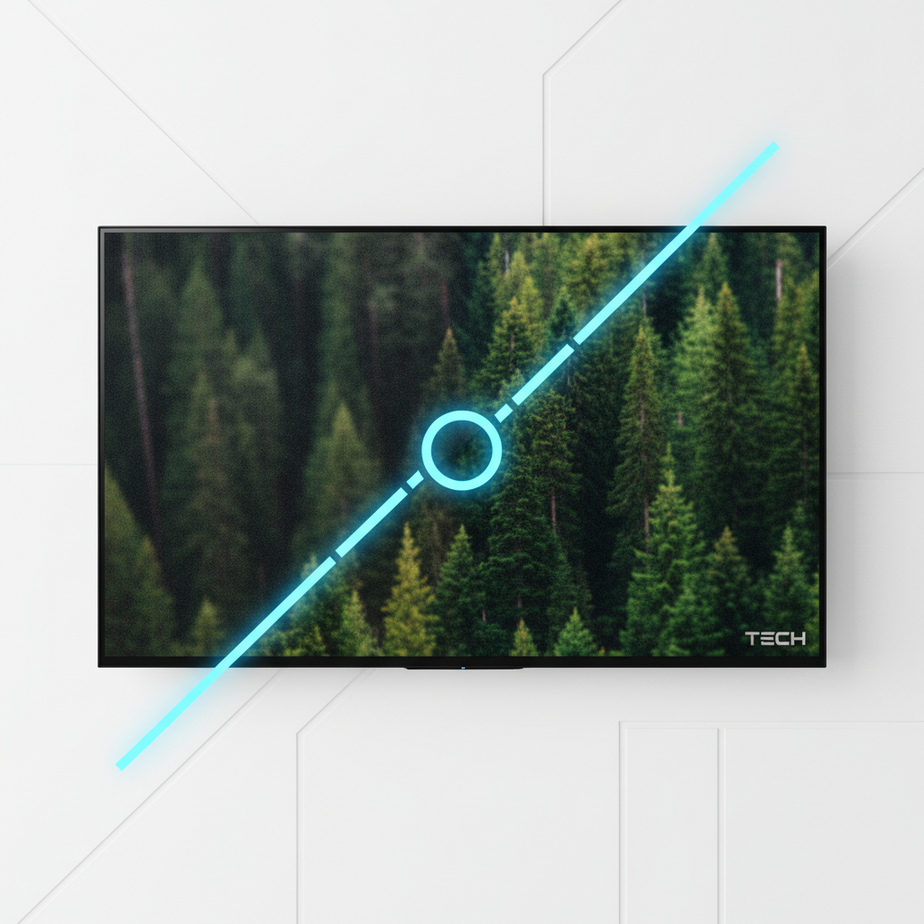
The single biggest buzz generating from the current wave of speculation is the potential for a creaseless display. Imagine unfolding your iPhone to reveal a perfectly flat, uninterrupted screen that feels just like a traditional display. This wouldn’t just be an incremental improvement; it would be a monumental leap forward for foldable technology. For many potential buyers who have been hesitant to adopt a foldable, the crease has been the primary deal-breaker. Removing it would instantly solve the biggest aesthetic and tactile complaint leveled against the form factor.
Achieving this would be a classic Apple move. While competitors rushed to be first, Apple waited to be the best. A creaseless screen would immediately differentiate the “iPhone Fold” from every other device on the market, giving it a powerful and easily marketable advantage. It’s a feature that aligns perfectly with Apple’s brand identity, which is built on superior design, intuitive user experience, and a premium feel. It’s the kind of innovation that could convince even the most skeptical consumers that foldables are finally ready for primetime.
How Would Apple Achieve This?
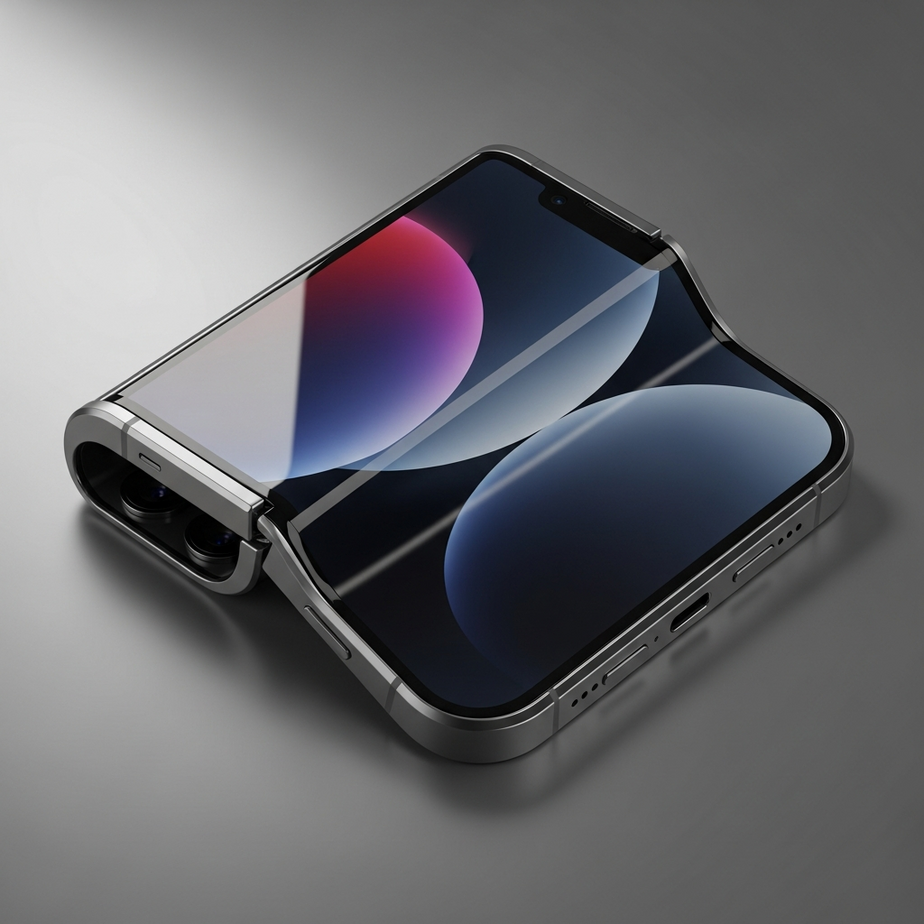
The engineering behind a creaseless screen is incredibly complex. Rumors suggest Apple is exploring a redesigned hinge mechanism that allows the screen to form a gentle teardrop shape inside the chassis when closed. This avoids the hard, sharp fold that creates a permanent crease over time. Paired with a more resilient and flexible version of its Ceramic Shield material or a new generation of ultra-thin glass, this could be the secret sauce. The goal is a device that is not only beautiful but also durable enough to withstand hundreds of thousands of folds without showing signs of wear.
Diving Into the Latest iPhone Rumors: Specs and Features
Beyond the revolutionary screen, what else can we expect from a foldable iPhone? The rumor mill is churning out plenty of details about its potential design and capabilities. While nothing is confirmed, a consensus is beginning to form around a few key features that could define the device. The latest iPhone rumors paint a picture of a device that is both ambitious and thoughtfully designed to integrate into Apple’s existing ecosystem.
Here’s a breakdown of what the insiders are predicting:
-
– Form Factor: The biggest debate is whether Apple will opt for a book-style fold (like the Samsung Galaxy Z Fold) that opens into a mini-tablet, or a clamshell design (like the Galaxy Z Flip) that folds into a compact square. Current speculation leans slightly towards a book-style device, potentially around 8 inches when unfolded, aimed at productivity and media consumption.
– External Display: A large, fully functional external display is considered a must. Users will expect to be able to answer texts, check notifications, and use key apps without needing to unfold the device every time. Expect a screen that mirrors the premium quality of a standard iPhone display.
– Processing Power: There’s no mystery here. The foldable iPhone will undoubtedly be powered by Apple’s latest and greatest A-series chip, ensuring blazing-fast performance that can handle advanced multitasking and demanding applications with ease.
– Camera System: This is a major engineering challenge. Integrating a flagship-level camera system into a thin, foldable chassis is difficult. However, Apple is unlikely to compromise on what has become a primary selling point for its devices. We can expect a pro-grade camera setup, though it may not be identical to the one found in the flagship iPhone Pro of the same year.
– Software Experience: How will iOS adapt to a folding screen? This is where Apple’s software expertise will shine. Expect a highly polished version of iPadOS-like multitasking features, allowing users to run multiple apps side-by-side. The transition between the external and internal screens will need to be seamless, a challenge Apple is uniquely positioned to solve.
The Million-Dollar Question: Price and Release Date
Even if the technology is perfect, two factors will ultimately determine the success of a foldable iPhone: how much it costs and when we can actually buy it. This is where the latest iPhone rumors become a little more speculative, but analysts are already making educated guesses based on market trends and Apple’s historical pricing strategies.
Let’s be clear: this will be an ultra-premium device. Given that current flagship foldables already command prices upwards of $1,800, it’s safe to assume Apple will target a similar, if not higher, price point. Most experts are predicting a starting price somewhere between $2,000 and $2,500. This would position it as a luxury product, aimed at early adopters and professionals who are willing to pay for cutting-edge technology.
As for a release date, patience is still key. While rumors are heating up in early 2026, the launch is not necessarily imminent. According to reports from sources like Bloomberg, who closely track Apple’s supply chain, the company is likely targeting a launch in late 2026 or potentially even early 2027. This timeline gives Apple enough room to finalize the design, ramp up production, and ensure the revolutionary new screen technology is ready for mass manufacturing without a hitch.
Should You Wait for the iPhone Fold?
With all this exciting news, it begs the question: should you hold off on your next upgrade and wait for the foldable iPhone? The answer really depends on your needs and budget. If you are a tech enthusiast who loves having the latest and greatest gadget, or a professional who could genuinely benefit from a pocket-sized tablet for multitasking, then waiting might be the right call. The foldable iPhone promises to be one of the most exciting new products Apple has released in years.
However, it’s important to keep things in perspective. The first-generation model will be extremely expensive and will exist alongside Apple’s traditional iPhone lineup, not replace it. The standard iPhone 17 or 18 will still be a phenomenal device, offering incredible performance and features for a much lower price. If your current phone is on its last legs or you have no interest in the foldable form factor, there is no reason to delay an upgrade. But if you’re intrigued by the promise of a larger screen in a portable package, the next 12 to 18 months are going to be very exciting to watch.
Ultimately, the emergence of a truly competitive foldable from Apple will be a win for everyone. It will push the entire industry forward, forcing competitors to innovate while making the technology more mainstream. While these are all still just the latest iPhone rumors, they paint a compelling picture of a future where our phones can be so much more. The only question left is whether you’ll be ready to make the fold when it finally arrives.