The Anatomy of a Multi-Million Dollar Cyber Heist
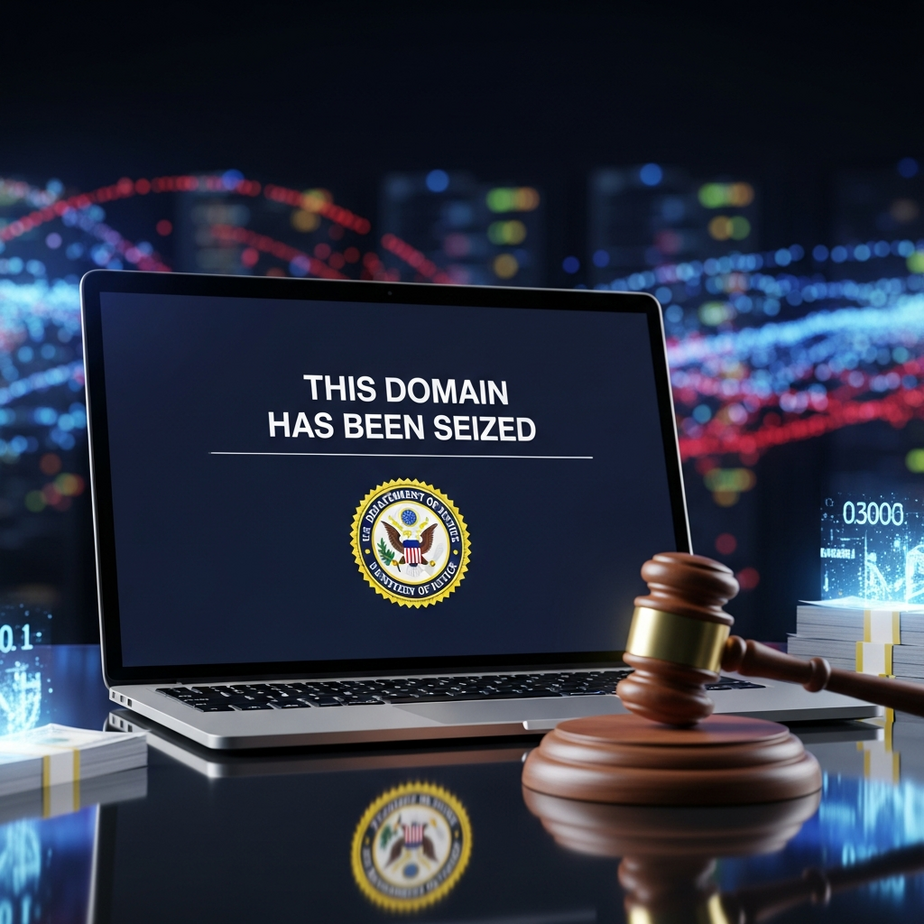
In the digital age, a single unsolicited text message can be the thread that unravels your financial security. For thousands of Americans, this nightmare became a reality in a scheme that siphoned millions from their bank accounts. The operation was dealt a significant blow when the **U.S. DoJ seizes fraud domain** `web3adspanels[.]org`, a critical piece of infrastructure in a staggering $14.6 million bank account takeover fraud. This action, announced by the Department of Justice, pulls back the curtain on how sophisticated cybercriminals exploit trust and technology to empty accounts, highlighting the urgent need for consumer vigilance in an increasingly connected world. The seizure not only dismantled a criminal command center but also offered a stark lesson in modern digital threats.
The entire criminal enterprise was a well-oiled machine, relying on a two-phased attack that combined social engineering with technical deception. It began not with a complex hack, but with a simple, deceptive text message sent to potential victims across the country.
Phase One: The Deceptive SMS Phishing Campaign
The attack’s entry point was a classic “smishing” (SMS phishing) campaign. Cybercriminals sent text messages designed to look like legitimate fraud alerts from well-known financial institutions. These messages were crafted to create a sense of urgency and panic, often warning of a suspicious transaction or an unauthorized login attempt on the recipient’s account. To appear more authentic, the criminals used spoofed phone numbers that mimicked the official numbers used by banks for customer communication.
The core of the message was a call to action, urging the victim to click a link to verify their identity or secure their account. This link, however, led not to the bank’s real website but to a meticulously crafted counterfeit page controlled by the fraudsters. This initial step was crucial, as it preyed on the victim’s natural instinct to protect their finances.
Phase Two: Harvesting Credentials on Counterfeit Websites
Once a victim clicked the malicious link, they were redirected to a phishing website. These sites were nearly perfect replicas of the official online banking portals of major U.S. financial institutions. They featured the correct logos, color schemes, and layouts, making it incredibly difficult for an unsuspecting user to spot the forgery.
Here, the victim would be prompted to enter their login credentials—username and password—to “verify” their account. As soon as they entered this information, it was instantly captured and transmitted to the criminals’ backend database. The domain at the center of this operation, `web3adspanels[.]org`, served as the digital vault where all this stolen data was stored and managed. This action by the **U.S. DoJ seizes fraud domain** and effectively cuts off the criminals’ access to their stolen data repository.
Behind the Curtain: The Role of web3adspanels[.]org
The domain `web3adspanels[.]org` was not a public-facing website that anyone could stumble upon. Instead, it operated as a private, backend administrative panel—a command-and-control center for the cybercriminals. Its seizure was a critical victory for law enforcement because it struck at the heart of the fraudsters’ operation.
This web panel was specifically designed to manage the bank account takeover scheme. It provided the criminals with a centralized platform to:
– Store and organize thousands of stolen usernames and passwords.
– Manipulate the harvested banking credentials.
– Potentially track the financial status of compromised accounts.
– Coordinate the subsequent fraudulent transactions.
By hosting the database of stolen information, the domain was the engine powering the entire fraud. Every successful phishing attempt fed new credentials directly into this system, giving the criminals a constantly updated list of targets. The fact that the **U.S. DoJ seizes fraud domain** means they have not only stopped the ongoing theft but have also captured a treasure trove of evidence that can be used to identify and prosecute the individuals behind the scheme. This is a significant disruption, preventing the criminals from accessing their ill-gotten data and launching further attacks.
The Financial Fallout: How Millions Were Stolen
With valid login credentials in hand, the criminals moved swiftly to drain their victims’ accounts. The process was systematic and designed to extract funds before the account holder or the bank could detect the intrusion. The total attempted and actual losses from this scheme exceeded an astonishing $14.6 million, affecting thousands of individuals.
Executing the Fraudulent Transactions
Once logged into a victim’s account, the fraudsters had full access to their finances. They employed several methods to siphon money out quickly and in ways that were difficult to trace. Common methods included:
– Initiating wire transfers to accounts they controlled, often overseas.
– Making large purchases of cryptocurrency, which offers a degree of anonymity.
– Adding themselves or their accomplices as “trusted” payees to facilitate easier future transfers.
U.S. Attorney Breon Peace stated, “As alleged, the defendants and their co-conspirators were part of a sophisticated network of criminals who used spoofed text messages and phishing websites to steal and attempt to steal millions of dollars from the bank accounts of every day, hardworking Americans.” This statement underscores the calculated and predatory nature of the operation.
The seizure of the domain and its underlying database serves as a powerful countermeasure. The action taken by the **U.S. DoJ seizes fraud domain** and dismantles the technical infrastructure that made these large-scale thefts possible, providing a measure of justice for the victims and a stern warning to other cybercriminals.
Your First Line of Defense: How to Prevent Bank Account Takeover
While law enforcement actions are crucial, the most effective protection against bank account takeover fraud begins with you. By adopting a security-conscious mindset and implementing a few key practices, you can dramatically reduce your risk of becoming a victim. The strategies used in this scheme are common, and understanding them is the first step toward building a strong defense.
Scrutinize Every Unsolicited Message
Cybercriminals rely on you to act impulsively. The best way to thwart them is to slow down and think critically about any unexpected communication, especially those that create a sense of urgency.
Practice the “Never Click, Always Navigate” Rule
If you receive a text message or email—even if it appears to be from your bank—warning of an issue with your account, never click any links provided in the message. Instead, close the message and log in to your account through a method you know is secure:
– Open a new browser window and type your bank’s official website address directly into the URL bar.
– Use your bank’s official mobile application.
– Call the customer service number on the back of your debit or credit card.
Look for Red Flags in Phishing Attempts
While some phishing messages are sophisticated, many contain subtle clues that can give them away:
– **Urgent or Threatening Language:** Messages that demand immediate action or threaten to close your account are a common tactic.
– **Spelling and Grammar Errors:** Legitimate financial institutions rarely send out communications with obvious mistakes.
– **Generic Greetings:** Alerts that use vague greetings like “Dear Customer” instead of your name can be a warning sign.
Fortify Your Digital Account Security
Strong security practices act as a digital barrier, making it much harder for criminals to access your accounts even if they manage to steal your password.
Embrace Multi-Factor Authentication (MFA)
Multi-factor authentication is arguably the single most effective tool for preventing unauthorized account access. MFA requires a second form of verification in addition to your password, such as:
– A one-time code sent to your phone via text or an authenticator app.
– A biometric scan (fingerprint or face ID).
– A physical security key.
Most banks offer MFA, and you should enable it on all of your financial accounts immediately. It means that even if a criminal steals your password, they won’t be able to log in without that second verification factor.
Use Strong, Unique Passwords
Avoid using simple, easy-to-guess passwords or reusing the same password across multiple websites. A strong password should be long (at least 12 characters) and include a mix of uppercase letters, lowercase letters, numbers, and symbols. Consider using a password manager to generate and store complex, unique passwords for all your online accounts.
Monitor Your Accounts Vigilantly
The sooner you spot unauthorized activity, the faster you can act to limit the damage. Make it a habit to regularly check in on your financial accounts.
– **Review Your Statements:** Look over your bank and credit card statements at least once a month for any transactions you don’t recognize.
– **Set Up Real-Time Alerts:** Most banks allow you to set up email or text alerts for specific activities, such as transactions over a certain amount, international charges, or password changes. These instant notifications can provide an early warning of fraudulent activity.
The Broader Impact of a Federal Takedown
The announcement that the **U.S. DoJ seizes fraud domain** `web3adspanels[.]org` is more than just a single victory against a group of criminals. This type of law enforcement action has a ripple effect across the cybercrime ecosystem, sending a clear message that these activities will be investigated and dismantled.
Disrupting criminal infrastructure is a key strategy for federal agencies. By taking down a central hub like this domain, authorities not only stop the immediate threat but also gain invaluable intelligence. The database associated with the domain contains evidence—such as IP addresses, stolen credentials, and transaction records—that can help investigators identify the perpetrators and understand their methods. This information is crucial for preventing future attacks and for building stronger cases against cybercriminals. The official press release from the Department of Justice provides further detail on the multi-agency effort involved.
These actions serve to protect the public and bolster confidence in the security of our financial systems. While criminals will always seek new ways to exploit technology, proactive and decisive enforcement actions demonstrate a commitment to holding them accountable.
In a world where our financial lives are increasingly managed online, cybersecurity is not just a technical issue—it is a matter of personal security. The takedown of the criminal operation behind `web3adspanels[.]org` is a powerful reminder of the persistent threats we face. While it is reassuring to know that the **U.S. DoJ seizes fraud domain** and actively pursues these criminals, the ultimate responsibility for protecting your assets falls on you.
By remaining skeptical of unsolicited messages, fortifying your accounts with strong passwords and multi-factor authentication, and monitoring your transactions vigilantly, you build a formidable defense against fraudsters. These simple yet powerful habits are your best shield in the ongoing fight against financial cybercrime. Take a moment today to review the security settings on your bank accounts—it is one of the most important investments you can make in your financial well-being.